US Intelligence Reveals Iran Retains Majority of Missile Capabilities Amid Military Claims
Despite official US statements, Iran maintains around 70% of its pre-conflict missile arsenal, impacting geopolitical risks and global markets.
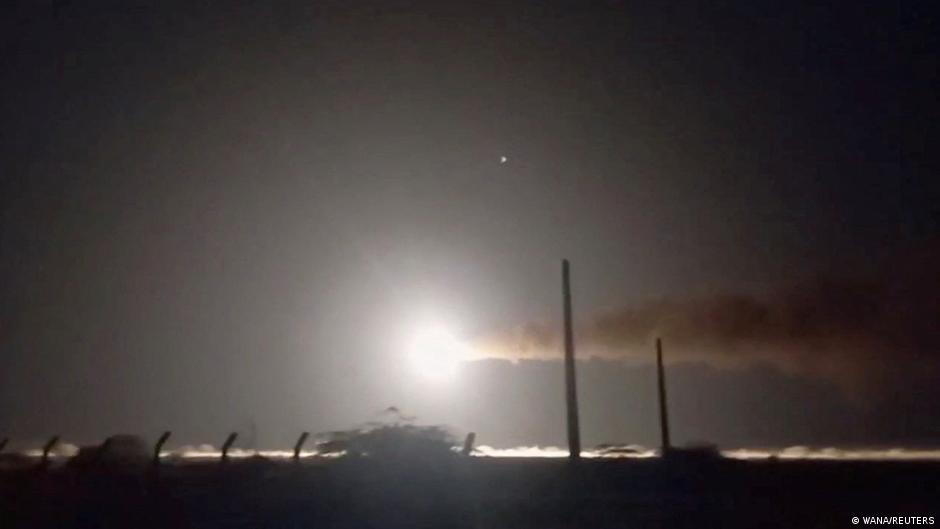
New intelligence reports from the US reveal that Iran has managed to preserve a substantial portion of its military missile infrastructure, contradicting official statements from US leadership that claimed the Islamic Republic's military capabilities were largely destroyed.
Impact on Global Stability and Economic Implications
According to US military intelligence, Iran currently controls approximately 70% of its mobile missile launchers and maintains roughly 70% of its pre-conflict missile stockpile, including ballistic and cruise missiles. These capabilities enable Iran to potentially strike targets across the region, including along the strategically critical Strait of Hormuz where about a third of the world’s seaborne oil passes.
“New intelligence data indicate that Iran’s resilience and ability to recover its missile forces were underestimated, challenging previous assessments of its military degradation.”
These findings have significant implications for household budgets and global consumers. The Strait of Hormuz is a vital artery for oil transportation; threats to its security can lead to rising oil prices worldwide, directly affecting fuel costs for consumers and heating expenses in many countries.
The sustained Iranian missile capabilities heighten geopolitical tensions, increasing volatility in global energy markets. This volatility can lead to inflationary pressures impacting everyday goods and services, putting strain on household savings and purchasing power.
Furthermore, US military supplies are reportedly diminishing after extensive operations, with key munitions such as Tomahawk cruise missiles and Patriot defense system rockets running low. This depletion raises concerns among US allies, who rely on American arms supplies for their own security commitments.
For individual investors and currency markets, these developments may increase risk aversion and drive shifts in investment strategies. Increased geopolitical instability often leads to fluctuations in currency values, particularly in oil-importing nations, potentially influencing exchange rates and inflation.
Consumers and investors should remain attentive to ongoing developments, as prolonged instability in the Middle East could sustain elevated energy prices and influence market conditions globally.
While US officials maintain public confidence in their military readiness and assert that Iran’s military potential has been significantly weakened, the intelligence paints a more complex picture. This divergence underscores the unpredictable nature of geopolitical risks and their ripple effects across global economies.