UAE Military Strikes on Iran Impact Regional Stability and Economic Outlook
Secret UAE attacks on Iran and Iranian retaliations are reshaping Gulf security, with consequences for trade, tourism, and household finances.
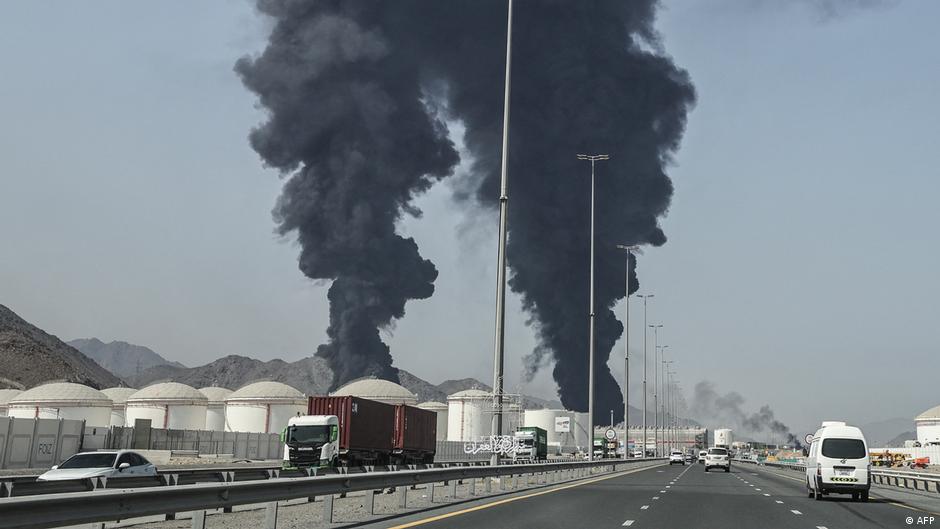
The United Arab Emirates (UAE) has secretly conducted military strikes against Iran in response to repeated Iranian attacks on its territory, sources reveal. While Abu Dhabi has not officially acknowledged these operations, the escalating conflict between the two neighbors is creating ripple effects that extend beyond geopolitics to affect everyday consumers and investors in the Gulf region.
How the UAE-Iran Conflict Affects Household Budgets and Economies
According to reports, one notable UAE strike targeted an Iranian oil refinery on Lavan Island in the Persian Gulf in early April. This came amid a broader context of Iranian rocket and drone attacks on the UAE and Kuwait, totaling approximately 2,800 assaults since the conflict began—more than attacks against any other country in the region.
“Iran is now seen as a pariah undermining the UAE’s economic and social model based on attracting foreign talent and maintaining a reputation for safety and stability.”
The persistent security threat has disrupted key economic sectors in the UAE. Air travel has slowed as concerns about drone and missile strikes mount, directly impacting tourism revenue, a crucial source of income for many households. The property market has also suffered, with declining investment confidence contributing to job cuts and unpaid leave for workers in affected industries.
For residents and expatriates, the conflict poses tangible financial challenges. Reduced tourism and business activity can lead to lower household incomes and diminished disposable cash. Moreover, the perception of heightened risk can influence currency stability and investment flows within the Emirates, as foreign investors reconsider exposure in a more volatile environment.
The UAE government has maintained a stance of strategic military preparedness. Its well-equipped air force, featuring French Mirage and advanced American F-16 fighter jets, staffed by highly trained pilots, underscores the country's commitment to defending its interests.
While the US initially welcomed Gulf states’ involvement in the conflict as part of a broader regional strategy, official statements from UAE and US defense representatives have been limited, reflecting the sensitive nature of the operations.
For consumers, the evolving security dynamics reinforce the importance of financial prudence. Households reliant on sectors vulnerable to geopolitical shocks—such as tourism, real estate, and aviation—may need to reassess budgeting and savings strategies. Additionally, everyday investors should stay alert to potential currency fluctuations and market volatility stemming from regional tensions.
In summary, the secret military engagements between the UAE and Iran extend beyond battlefield exchanges. They are influencing the Gulf’s economic landscape and household financial wellbeing, emphasizing the interconnectedness of geopolitics and personal finance in an increasingly complex world.