Ukraine’s Long-Range Drones and Missiles Could Impact NATO and Household Economies
Ukraine’s emerging defense technology may influence NATO’s strategic balance, with potential effects on currency stability and consumer confidence.
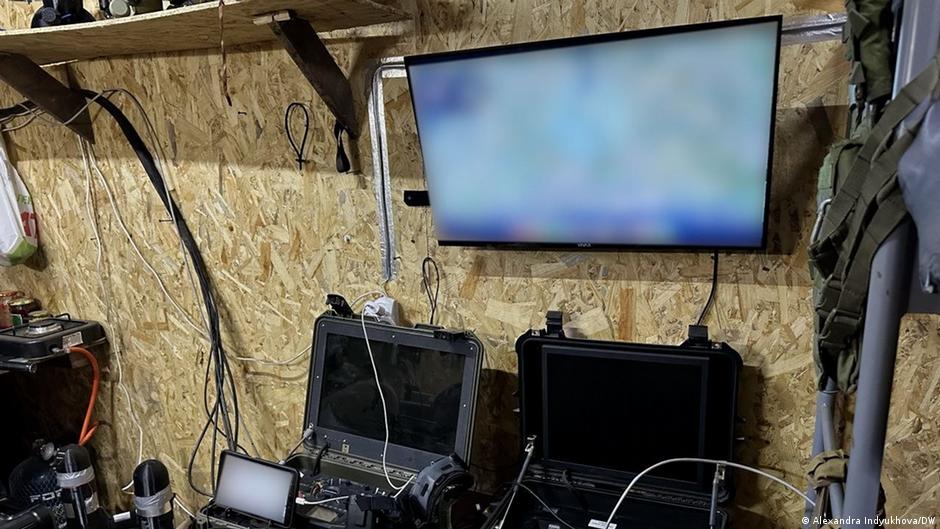
Ukraine is preparing to supply NATO with advanced long-range drones and missiles, a development that could have wide-reaching implications beyond military strategy, potentially impacting household budgets, savings, and currency markets across allied nations.
Ukraine’s Defense Innovations and NATO’s Strategic Gaps
Ukraine’s ambassador to NATO, Alena Hetmanchuk, recently announced that Kyiv is poised to fill critical "gaps in NATO’s capabilities" through its expertise in long-range unmanned aerial vehicles (UAVs) and precision missile systems. This comes amid growing concerns in Europe following the U.S. withdrawal from key missile agreements.
"If NATO countries such as Germany request, we can offer our experience and effective weapons: long-range drones and missiles," Hetmanchuk highlighted.
This statement signals Ukraine’s readiness to not only defend its own territory but also to empower NATO’s strategic offensive abilities against potential adversaries deep within their territories.
Consequences for European Economies and Consumers
The military developments coincide with significant defense policy shifts, notably U.S. President Donald Trump’s recent cancellation of agreements to station American Tomahawk cruise and ballistic missiles in Germany. These missiles were intended as deterrence against strategic targets in Russia. Their removal creates an operational void in Europe’s defense architecture that Ukraine’s advanced drones and missiles could help fill.
From a consumer and personal finance perspective, such geopolitical and military shifts often ripple into currency markets and investment confidence. The increased military collaboration between Ukraine and NATO members like Germany may translate into heightened defense spending. For European households, this could mean budget reallocations toward national security, potentially influencing taxation and government borrowing.
Moreover, families and individual investors must watch currency fluctuations closely. Strengthened military capabilities and alliances can stabilize regions but may also trigger uncertainty in forex markets during transitional periods. This volatility can affect savings, mortgage rates, and the cost of imported goods.
Germany’s Role and Industry Collaboration
German Defense Minister Boris Pistorius’s recent visit to Kyiv underscores Germany’s commitment to expand bilateral defense cooperation, focusing on developing modern UAV systems across all operational ranges, particularly those designed for "Deep Strike" missions targeting adversaries’ strategic depths.
Such collaborations may stimulate industrial innovation and job creation within the defense sectors of both countries. Simultaneously, public expenditure shifts toward defense technology development might impact social welfare programs or public investments, influencing household economic stability and consumer spending trends.
Additionally, Germany is exploring the establishment of a joint U.S.-German enterprise to manufacture Tomahawk cruise missiles domestically by 2028. For consumers and investors, this signals a possible increase in defense-related industrial activity, potentially impacting stock markets and employment rates in the sector.
Implications for Everyday Investors
The evolving defense landscape means that individual investors should monitor defense stocks and associated industries, as government contracts and transatlantic partnerships could drive growth. However, geopolitical tensions can also increase market risks.
Currency volatility stemming from shifting alliances and military postures may affect portfolios exposed to foreign exchange risks. Households with savings in euros or dollars could see value fluctuations based on NATO’s strategic decisions and Ukraine’s role therein.
In summary, while Ukraine’s long-range drones and missiles primarily address military gaps within NATO, the broader implications extend into personal finance realms, influencing household budgets, savings stability, currency valuations, and investment landscapes across Europe and beyond.