Germany Considers Steinmeier as EU Representative for Potential Russia Peace Talks
German government explores involving President Steinmeier alongside Schröder to mediate EU-Russia negotiations amid ongoing Ukraine conflict.
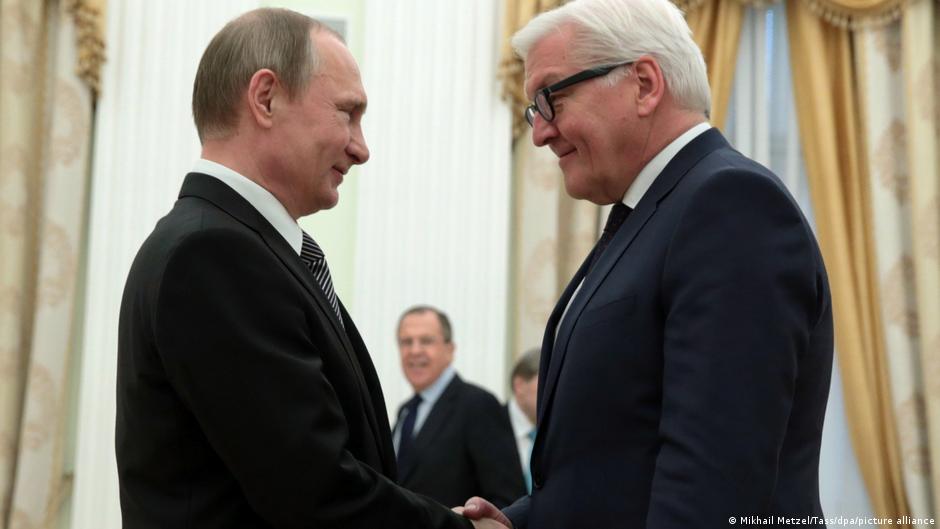
The German government is evaluating the possibility of appointing President Frank-Walter Steinmeier as the European Union's representative in peace negotiations with Russia aimed at ending the war in Ukraine. This approach suggests a "mediating duo" involving both Steinmeier and former Chancellor Gerhard Schröder, according to informed sources.
Implications for European Stability and Household Economies
As the conflict in Ukraine continues to disrupt markets and supply chains, any progress toward peace talks could significantly impact European household budgets and consumer confidence. Prolonged hostilities have contributed to inflationary pressures, especially through elevated energy costs and currency volatility. A credible negotiation framework involving Steinmeier might ease tensions, potentially stabilizing markets and benefiting everyday investors and consumers across the continent.
However, the German ruling coalition remains skeptical about Russia's sincerity and the effectiveness of Schröder as a sole mediator. Despite Vladimir Putin publicly endorsing Schröder as the preferred EU negotiator, the German government doubts that Schröder alone could successfully handle the role, given his close ties with Russia and concerns about impartiality.
"The government regards the proposed 'mediating duo' of Steinmeier and Schröder as an interesting option," sources reveal, signaling cautious openness to a joint approach.
Russia's insistence that negotiations require a representative who refrains from "speaking ill" of Moscow reflects ongoing challenges. Putin emphasized that Russia has consistently maintained respectful dialogue with the EU. Yet, formal talks between Russia and Ukraine have stalled, with Russian Foreign Minister Sergey Lavrov confirming in mid-April that no active negotiations are underway.
German officials consider Putin's offer part of a hybrid strategy aimed at dividing Europe rather than a genuine peace initiative. They point out that Moscow has yet to demonstrate a willingness to make substantive compromises. A potential test of Russia’s intentions could be an extension of the current brief ceasefire periods, which last only three days.
For consumers and investors, the prospect of a peaceful resolution to the conflict holds substantial significance. De-escalation could reduce volatility in currency markets, stabilize energy prices, and lower inflationary burdens on households. Conversely, prolonged uncertainty continues to strain savings and increase costs for everyday goods and services.
In summary, while Germany explores diplomatic options to represent the EU in dialogue with Russia, the pathway to peace remains uncertain. The outcome will have far-reaching consequences for European economies, affecting everything from currency stability to household financial well-being.