Ukraine Conflict Ceasefire Sees Military Rotations Impacting Regional Stability and Economies
Temporary ceasefire between Russia and Ukraine involves troop rotations amid ongoing tensions, affecting currency and household financial confidence.
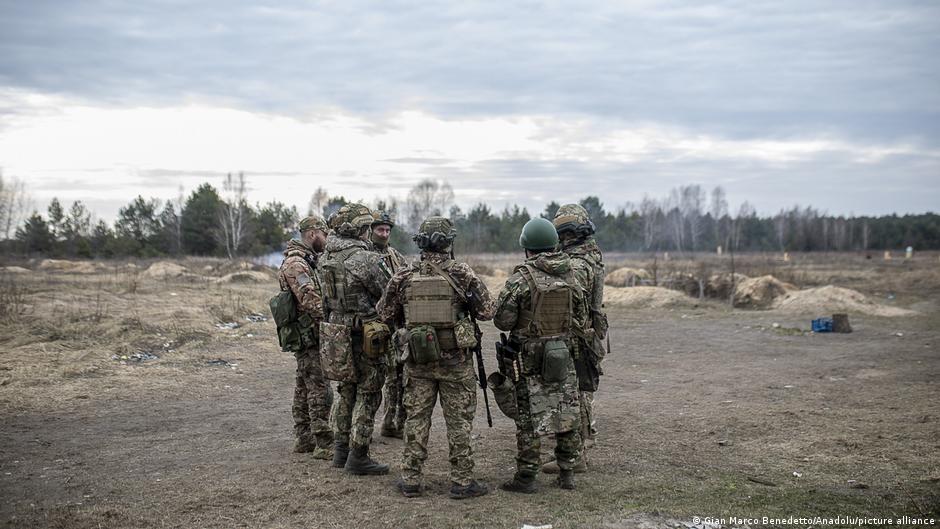
On May 9, a temporary ceasefire came into effect between Russia and Ukraine, initiated to last three days according to U.S. President Donald Trump’s announcement. While this pause in hostilities was intended to ease violence and facilitate a prisoner exchange, both sides have instead used the period to conduct strategic troop rotations and logistical preparations.
Military Movements Amid Ceasefire
According to Ukrainian military spokesperson Viktor Trehubov, Russian forces have significantly reduced active combat operations during the ceasefire but are taking advantage of the lull to rotate troops and bolster offensive capabilities. Simultaneously, Ukrainian forces are also rotating their units and enhancing logistical support, signaling that neither side is fully disengaged from conflict preparations.
"They are taking a pause to rotate and resupply forces and to renew their offensive potential," Trehubov stated during a Ukrainian television broadcast on May 9.
The ceasefire, proposed by President Trump and agreed upon by both governments on the evening of May 8, was also intended to facilitate a substantial prisoner exchange, with an initial plan of "1,000 for 1,000" prisoners. However, Russian President Vladimir Putin raised doubts about the feasibility of the exchange, citing lack of readiness on the Ukrainian side after Moscow submitted a list of 500 Ukrainian service members for release.
Putin's administration emphasized the ongoing challenges in agreeing upon prisoner lists and exchange logistics. Kremlin aide Yuri Ushakov noted that lists are still being compiled and that a full-scale military campaign is expected to continue beyond May 11.
Economic and Consumer Impact
This fragile ceasefire and continued military uncertainty have tangible effects on household finances and investment climates in the region. Prolonged conflict and sporadic violence contribute to currency volatility, affecting the Ukrainian hryvnia and Russian ruble against global currencies. For everyday consumers and investors, this instability translates to rising prices for imported goods, increased cost of living, and challenges in saving and investing amid uncertain economic forecasts.
Frequent disruptions to supply chains due to military activity further exacerbate inflation pressures, compelling families to adjust budgets and savings strategies. Additionally, the perception of ongoing conflict can deter foreign investment and dampen local business activities, reducing employment opportunities and wage growth potential.
Financial advisors in the region caution households to maintain diversified savings portfolios and consider currency risk in their investment decisions. Monitoring developments closely remains essential as military actions and political negotiations evolve.
Continued Hostilities Despite Ceasefire
Despite the ceasefire agreement, hostilities have not ceased completely. The Russian Ministry of Defense reported Ukrainian attacks involving drones and attempts to storm Russian-held positions in occupied territories. Ukraine’s General Staff confirmed that Russian forces conducted 121 attacks from midnight to 10 PM on May 9, including shelling of border areas such as the Sumy region, impacting several local communities.
These ongoing skirmishes highlight the fragile nature of the ceasefire and the sustained military readiness on both sides, perpetuating instability in the region.