Poland Secures €44 Billion EU Loan for Defense, Raising Household Financial Concerns
Poland signs a controversial €44 billion EU credit deal for military spending, sparking debate over long-term public debt and economic impact on citizens.
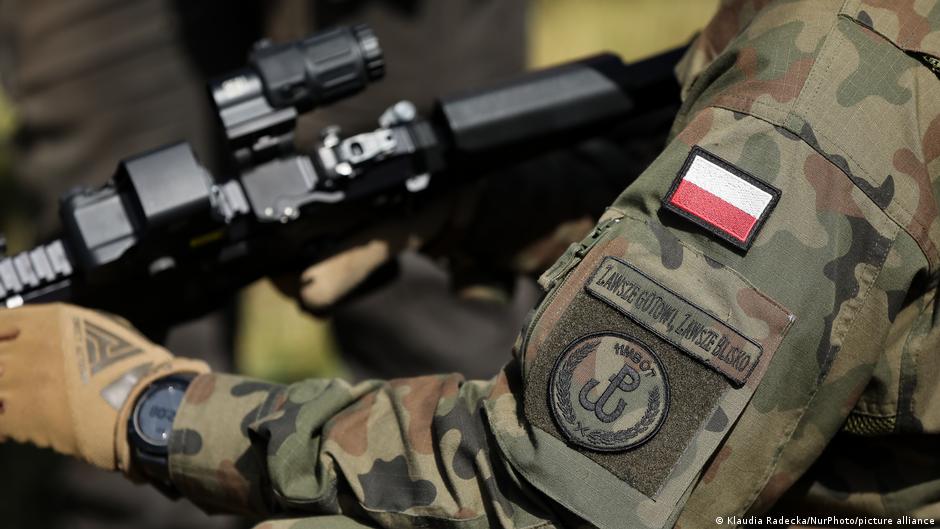
Poland has officially signed an agreement with the European Union to receive a loan of nearly €44 billion aimed at modernizing its defense capabilities. This deal, part of the EU-wide Security Action for Europe (SAFE) program, marks Poland as the first member state to secure such financing under the initiative.
The loan amount represents almost one-third of the total €150 billion SAFE budget allocated for all EU countries. Despite prior opposition from Poland's president, Karol Nawrocki, the government proceeded with the signing.
Implications for Polish Households and Economy
The loan deal has sparked concerns about its financial repercussions on Polish households and the broader economy. The substantial credit, with repayment stretching over 45 years, raises questions about how servicing this debt might influence public spending priorities, taxes, and inflation.
"This program represents a massive external loan that could burden the country with repayments up to €41 billion in interest alone," warned President Nawrocki prior to the signing.
Prime Minister Donald Tusk emphasized that 89% of the borrowed funds will be channeled to Polish defense companies and their partners. The intended outcome is to boost domestic industrial capacity, with contracts expected to be signed by the end of May and production ramped up by 2030.
While defense modernization is critical, the allocation of such vast resources raises the question of opportunity cost. The Polish government has indicated that the credit will also support cybersecurity and, potentially, other public safety sectors such as border protection, fire services, and police.
Initial disbursement of €6.5 billion is expected imminently, with subsequent tranches distributed biannually in October and April. These will be contingent on Poland providing performance reports to the European Commission on the implementation of defense projects.
Importantly, Poland is allowed to defer principal repayments for the first 10 years, yet the long repayment horizon means future budgets will likely face pressure to accommodate debt servicing costs.
Currency and Savings Impact
For everyday Polish citizens, the influx of loan funds and ensuing military investments could have mixed effects. On one hand, increased industrial activity and government contracts may stimulate economic growth and employment in defense sectors.
On the other hand, the potential long-term debt burden might lead to fiscal tightening, which could affect public services and social spending. Additionally, if the government opts to finance repayments through higher taxes or reduced subsidies, household budgets could be strained.
Currency-wise, large-scale borrowing in euros presents exchange rate risks. Fluctuations in the zloty-euro rate over the loan repayment period could influence the actual cost of debt servicing, indirectly impacting inflation and savings value.
Investors and consumers alike will be watching closely how Poland manages these financial commitments, balancing defense imperatives with economic stability.