US Troop Relocation from Germany to Poland Could Impact European Defense and Local Economies
Potential redeployment of 5,000 US troops from Germany to Poland may affect household budgets, local currencies, and defense investments in Europe.
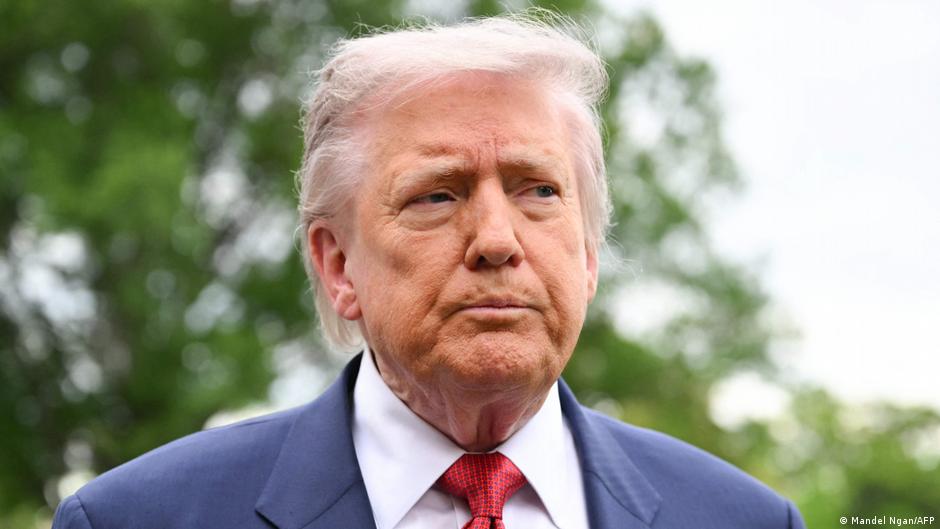
The announcement of a possible redeployment of American military forces from Germany to Poland has implications not only for international defense strategies but also for financial stability and consumer economics in the affected regions.
Shifts in US Military Presence and Economic Consequences
US President Donald Trump confirmed that relocating a portion of the nearly 5,000 troops set to be withdrawn from Germany to Poland is a plausible scenario. Polish President Karol Nawrocki expressed Poland's readiness to host these forces, highlighting the country's existing infrastructure to support such a move.
This troop realignment stems from developments earlier this year when US Defense Secretary Pete Hegseth ordered the withdrawal of approximately 5,000 American troops from Germany within a year. The backdrop includes friction between Washington and Berlin, particularly disagreements with German Chancellor Friedrich Merz concerning US and Israeli policies toward Iran. These tensions have led the US to reconsider the size and positioning of its military footprint in Europe.
The Pentagon's data from December 2025 indicates that about 68,000 US military personnel are stationed across European bases, with roughly 36,400 located in Germany at 20 different facilities. This significant military presence has a measurable economic impact on host communities through direct spending, employment, and support for local businesses.
Should the relocation proceed, communities in Germany could face economic challenges due to reduced demand for local goods and services tied to the military presence. Conversely, Polish regions accommodating new US troops may experience economic stimulation, including increased demand for housing, retail, and services, which could influence local currencies and consumer prices.
"We have the necessary infrastructure," stated Polish President Karol Nawrocki, emphasizing readiness to support US forces amid ongoing geopolitical shifts.
Lithuania has also indicated willingness to host additional US troops, with over 1,000 currently stationed there. Poland already hosts approximately 10,000 US troops, making it a significant player in the US-Europe defense framework.
Implications for Households, Savings, and Currency Stability
For households in regions impacted by the troop movements, shifts in local economies can translate to changes in employment opportunities and consumer prices. In Germany, reduced military spending might affect small businesses reliant on US personnel, potentially tightening household budgets.
In Poland, the influx of personnel could stimulate job creation but also generate inflationary pressures, impacting savings and purchasing power. Currency fluctuations may arise as foreign investment patterns adjust in response to the evolving defense landscape.
For everyday investors, these geopolitical shifts underscore the importance of monitoring defense and regional economic developments, as they can influence market sentiment and sector performance, particularly in real estate, retail, and currency markets.
Overall, the planned troop redeployments signal a recalibration of US military strategy in Europe with tangible financial consequences for consumers and local economies on both sides.