Conflict in DR Congo Claims 69 Lives Amid Rising Regional Instability and Economic Risk
Recent rebel attacks in DR Congo’s Ituri province threaten local economies and exacerbate financial uncertainty for households and investors.
Impact of Ongoing Conflict on Household Budgets and Local Economies in DR Congo
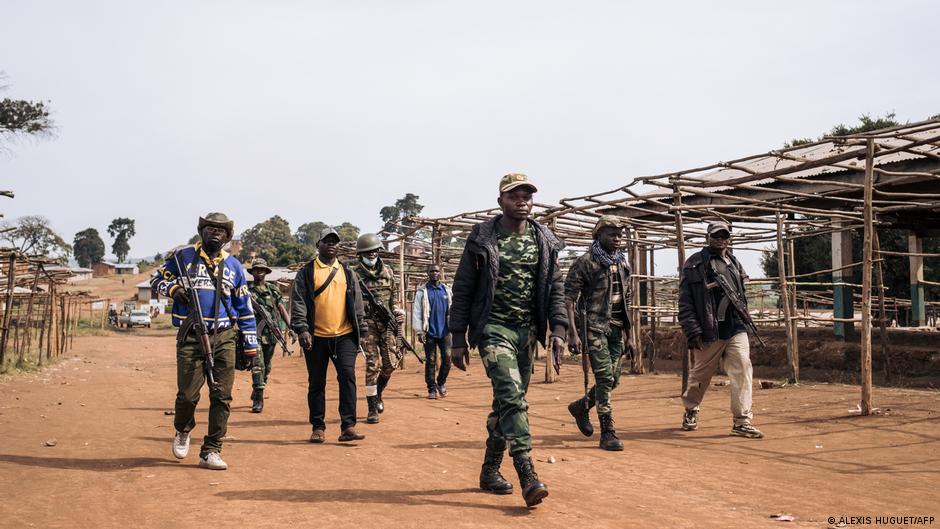
In late April, violent attacks by two armed rebel groups in the mineral-rich Ituri province of the Democratic Republic of Congo (DRC) resulted in the deaths of at least 69 people, including 19 combatants. These escalating clashes between rival factions not only deepen humanitarian crises but also impose significant economic stress on local communities and daily financial activities.
The groups involved include the Convention for the Popular Revolution (CRP), associated with the Hema ethnic group, which targeted a unit of the Congolese army. In retaliation, the Congo Development Cooperative (CODECO), aligned with the Lendu ethnic group and previously a major agricultural cooperative, attacked several nearby villages.
"The presence of armed groups like CODECO has severely disrupted local markets and undermined household savings, as families face increased insecurity and loss of livelihoods," said a security source familiar with the situation.
CODECO is now considered one of the most brutal armed factions in the region, controlling thousands of fighters and competing for dominance over valuable natural resources, including gold deposits common in Ituri. The ongoing violence delays recovery efforts, restricts access to markets, and contributes to currency depreciation at the local level as confidence in economic stability wanes.
Since the early 2000s, DR Congo has suffered from intermittent armed conflicts fueled by ethnic divisions and struggles over resource control. The country’s prolonged instability has led to widespread displacement, with over 7 million people internally displaced, undermining consistent income generation and savings accumulation for households.
Moreover, the presence of other armed groups such as the March 23 Movement (M23), representing the Tutsi minority and backed by Rwandan military forces, continues to disrupt eastern DRC’s economic hubs. In 2025, M23 seized control of Goma, a key city with nearly 2 million residents, further destabilizing trade and business operations.
For everyday investors and consumers, the conflict means heightened currency volatility and inflationary pressures, which erode purchasing power and savings. Banking services and investment activities are also constrained, leaving many households vulnerable to economic shocks.
Efforts to stabilize the region remain challenged by entrenched political and ethnic tensions, as well as the lucrative nature of mineral exploitation that incentivizes armed control. The continuing violence in Ituri and other eastern provinces underscores the urgent need for sustainable peace initiatives to protect both human lives and economic wellbeing.