Putin Endorses Schröder as EU Negotiator in Ukraine Conflict, Impacting European Economic Outlook
Putin names former German Chancellor Schröder as preferred EU negotiator for Ukraine talks, signaling potential shifts affecting household budgets and investor confidence across Europe.
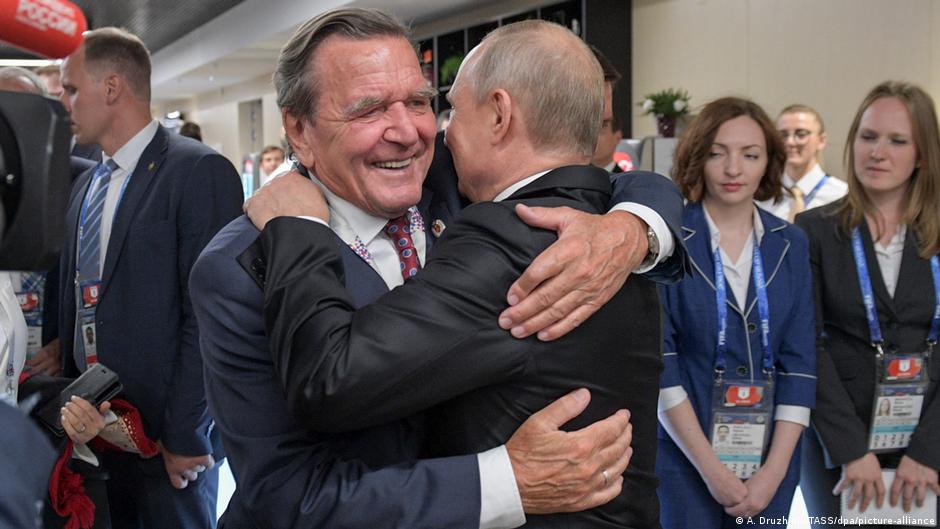
Russian President Vladimir Putin has publicly identified former German Chancellor Gerhard Schröder as his preferred negotiator from the European Union in discussions aiming to end the ongoing conflict between Russia and Ukraine. This announcement, made during a press conference on May 9, signals a strategic move with possible repercussions for European consumers, currencies, and investors.
Negotiation Dynamics and Economic Implications
Putin emphasized Moscow's readiness for dialogue but stipulated that Europe must select a negotiator who maintains respectful discourse toward Russia, implicitly favoring Schröder due to his past close ties with the Kremlin. Schröder, who led Germany from 1998 to 2005, has since been involved in Russian energy projects, including chairing the board for the Nord Stream operator and Rosneft, Russia's state oil company.
"For me personally, the preferred candidate from the EU side is former Chancellor Mr. Schröder," Putin stated, underscoring the importance of respectful communication in negotiations.
This development may influence European economic stability as the war’s resolution could affect energy supply dynamics, currency valuations, and investment climates. Schröder’s known advocacy for restoring Russian energy imports — described as "affordable energy sources" — highlights potential easing or restructuring of energy costs, a major driver of household expenses across the continent.
Since the conflict began, Europe has faced rising inflation partly due to energy shortages and disrupted supply chains. If negotiations progress with Schröder involved, there could be shifts in market expectations, influencing consumer prices and currency strength. Household budgets, particularly in energy-dependent countries, could benefit from stabilized or reduced energy prices in the medium term.
However, uncertainty remains. Putin’s comments also included sharp rhetoric toward other European nations and NATO expansions, reminding that geopolitical tensions could still spur market volatility. Additionally, Ukraine and Russia’s official dialogues have yet to commence, with the Russian foreign minister confirming in April that no formal talks are ongoing.
Investors should monitor developments closely. The involvement of a figure like Schröder, known for his pro-Russian stance, may be welcomed by markets anticipating de-escalation, but persistent political unpredictability will continue to influence portfolio risk assessments.
Broader Consumer and Investor Considerations
For everyday consumers, energy affordability remains a critical concern. Schröder’s previously expressed criticism of the "demonization of Russia" and calls for renewed low-cost energy imports could signal future relief for energy prices if peace talks gain traction.
Conversely, persistent conflict or stalled negotiations may prolong elevated utility bills, fuel prices, and food costs, which have been exacerbated by supply disruptions. Currency fluctuations linked to geopolitical tensions can also impact purchasing power and inflation levels, directly affecting household finances.
From an investment perspective, sectors tied to energy, commodities, and defense may experience volatility based on negotiation progress. The potential easing of sanctions or shifts in trade relations could alter investment risks and opportunities across Europe and beyond.
In summary, Putin’s endorsement of Schröder as a key EU interlocutor in Ukraine peace talks has implications extending beyond diplomacy. European consumers and investors should prepare for possible shifts in energy costs, currency stability, and market confidence tied to the evolving geopolitical landscape.