Ukraine Talks Could Shape Household Energy Bills and Investor Risk
Possible Ukraine talks in Abu Dhabi or Switzerland could affect sentiment around energy bills, currencies and household investments, but no breakthrough is assured.

Possible Ukraine talks in Abu Dhabi or Switzerland could affect sentiment around energy bills, currencies and household investments, but no breakthrough is assured.
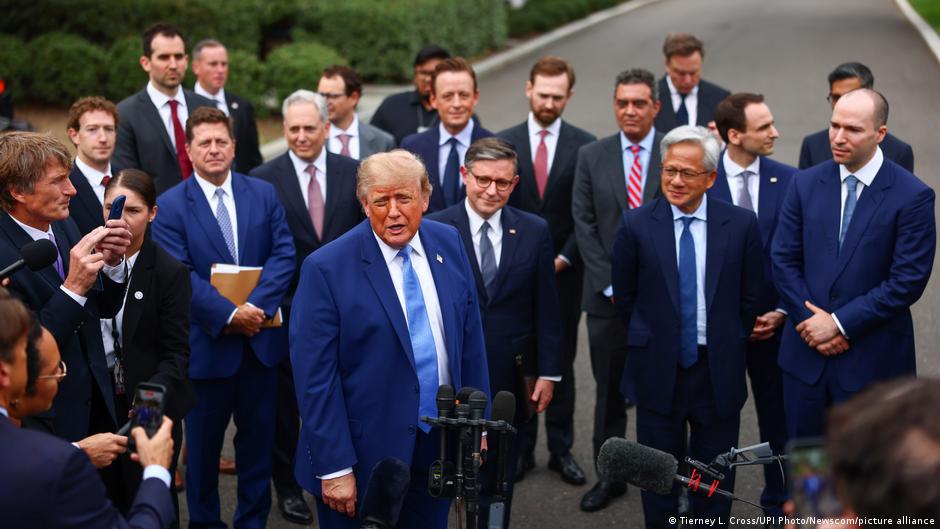
Trump says SpaceX restored full Starlink access in Ukraine, exposing policy risks for defense investments, currencies and household budgets.

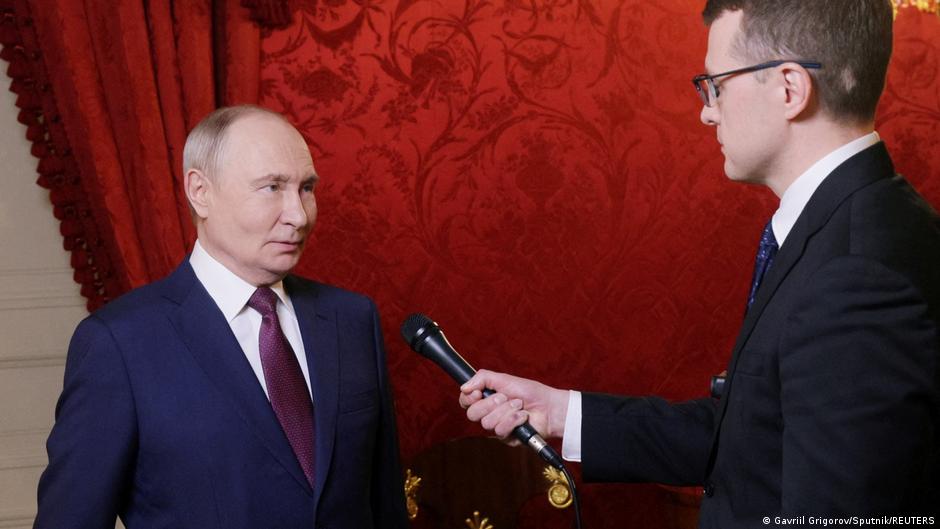
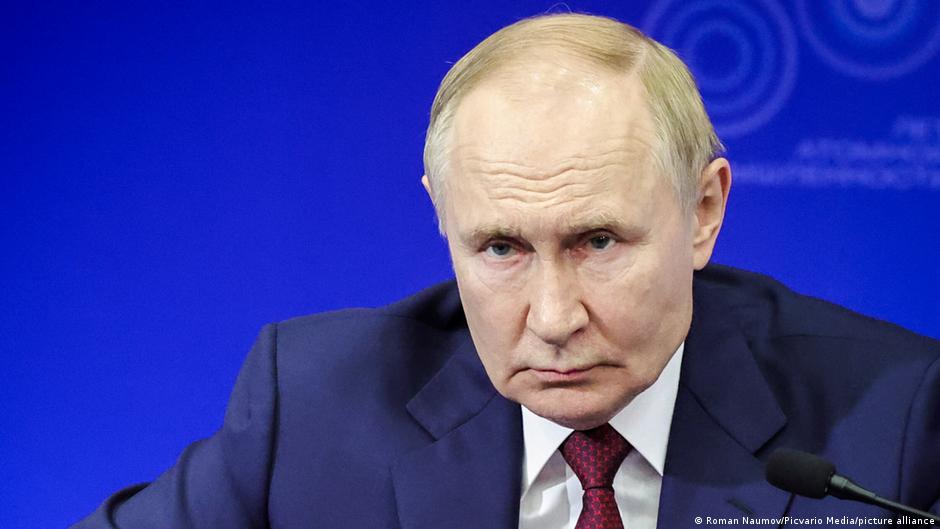
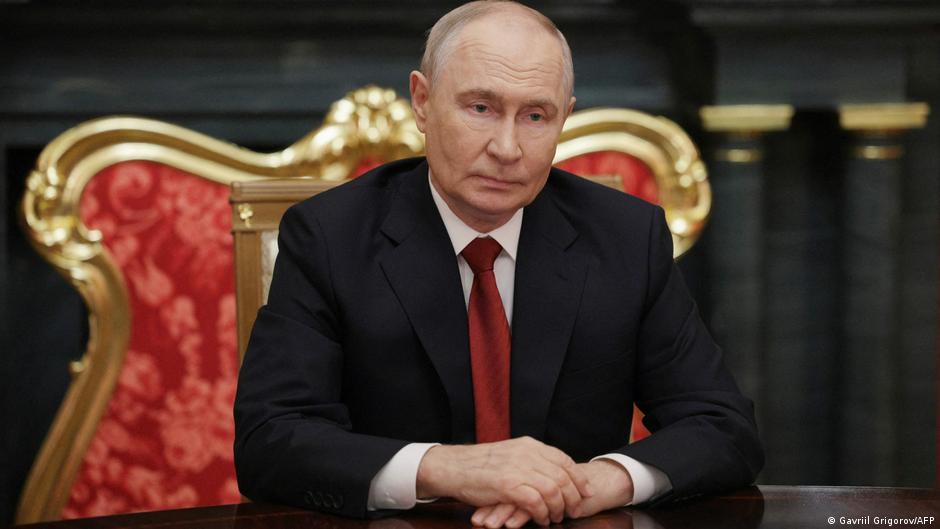
Putin backed renewed US-mediated talks with Kyiv but rejected a front-line freeze, extending uncertainty over energy bills, currencies and investments.

A bipartisan Senate group says Trump’s Russian diesel deal may not lower U.S. fuel costs while giving Moscow new war revenue.

Finland is urging an EU-wide tourist visa ban for Russians, a move that could affect travel budgets, currencies and consumer spending flows.

Trump’s Ukraine peace comments sharpen attention on energy risk, inflation pressures and currency volatility for households and investors.

Reported U.S. pressure on Ukraine over refinery strikes could affect fuel prices, inflation expectations, currencies and investor risk.

A congressional push to ban Russian oil purchases could affect diesel supply expectations, fuel costs, inflation and energy-linked investments.

Zelensky criticized a U.S.-Russia diesel supply deal, warning that cheaper fuel flows could come at the cost of prolonging the war.

Ukraine will discuss a new war-ending plan with Trump envoys as households and investors watch the budget, currency and market risks.

Kyiv’s mayor urged some residents to consider temporarily leaving as Russian strikes threaten water, heating, transport and household budgets.

Ukraine says 28 people were killed in a Russian missile and drone attack, renewing focus on household costs, sanctions, oil revenue and investor risk.

Kremlev says Trump Jr. repaid wedding-event costs, renewing scrutiny of political access, foreign-linked money and investor risk.

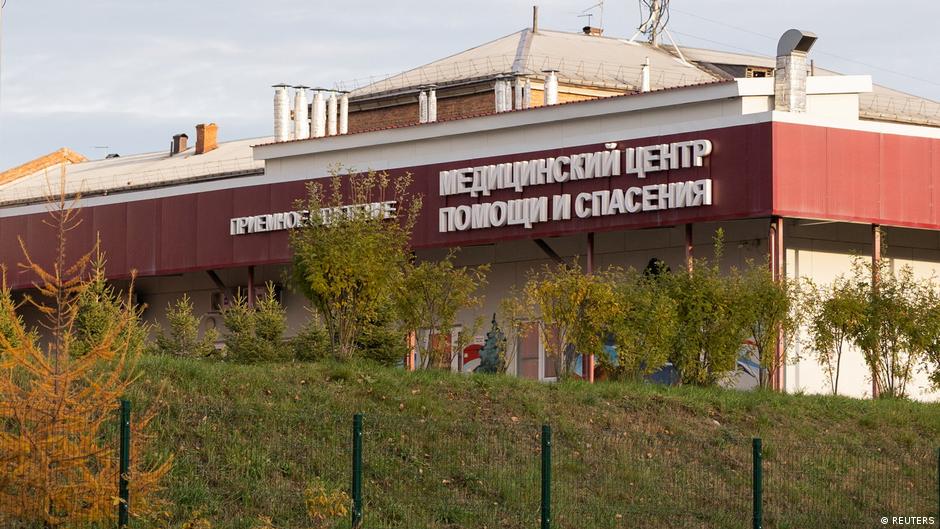
Reports from Irkutsk have drawn Trump and WHO attention, raising questions for consumers about possible energy, currency and market spillovers.

Reports from Irkutsk have prompted U.S. attention and regional border precautions, raising questions for travelers, households and investors.

Preliminary election results in Bosnia point to political continuity, with Dodik allies holding key posts and economic uncertainty still in focus.

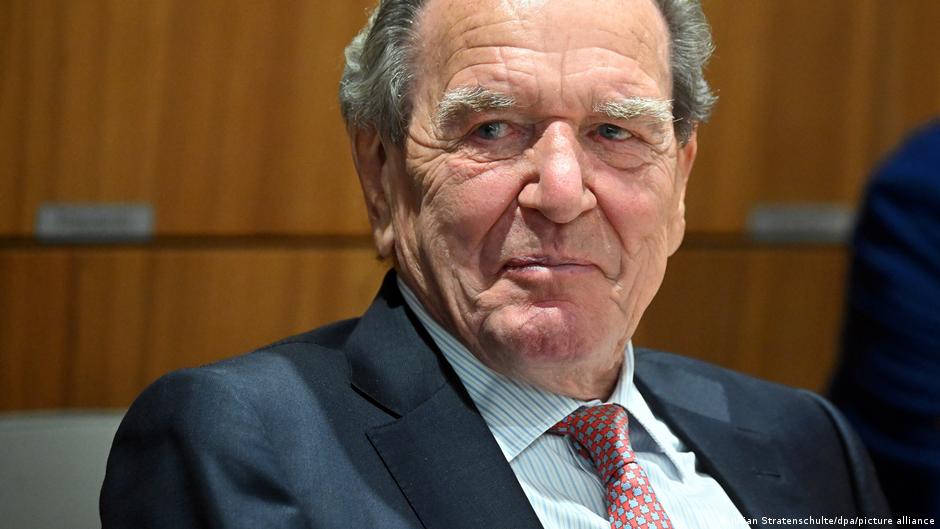
Gerhard Schröder’s new Hyperglobus role has triggered German criticism and fresh concerns over Russian retail risk and household costs.

Putin’s latest Valdai remarks renewed nuclear warnings and war claims, adding another layer of uncertainty for household budgets and investors.

A voluntary Trump AI safety deal puts major tech firms in charge of safeguards, with implications for consumers, investors and future regulation.

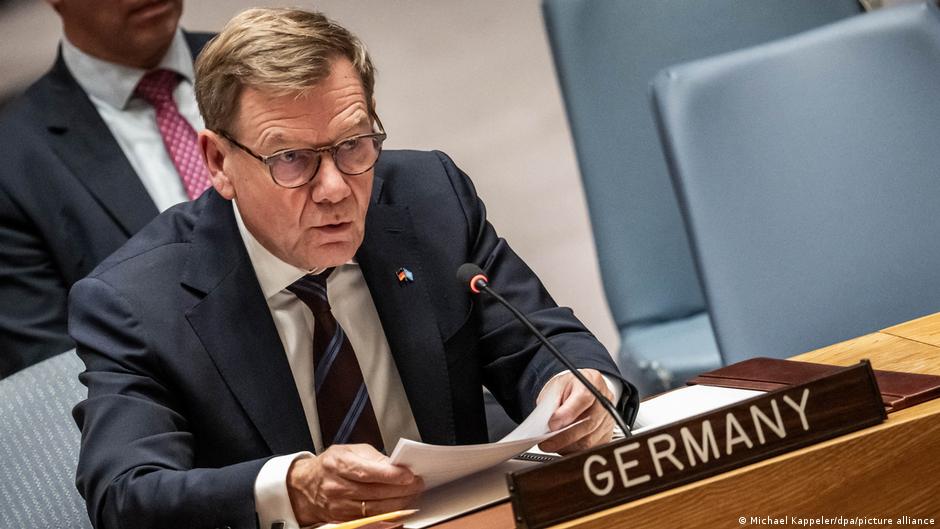
Germany says Putin’s possible G20 attendance should be judged by whether Moscow accepts a ceasefire, with sanctions and market risk in focus.

Kyiv denied a report that Trump urged Zelensky to meet Putin in Moscow as energy talks and diesel prices keep the war tied to household costs.

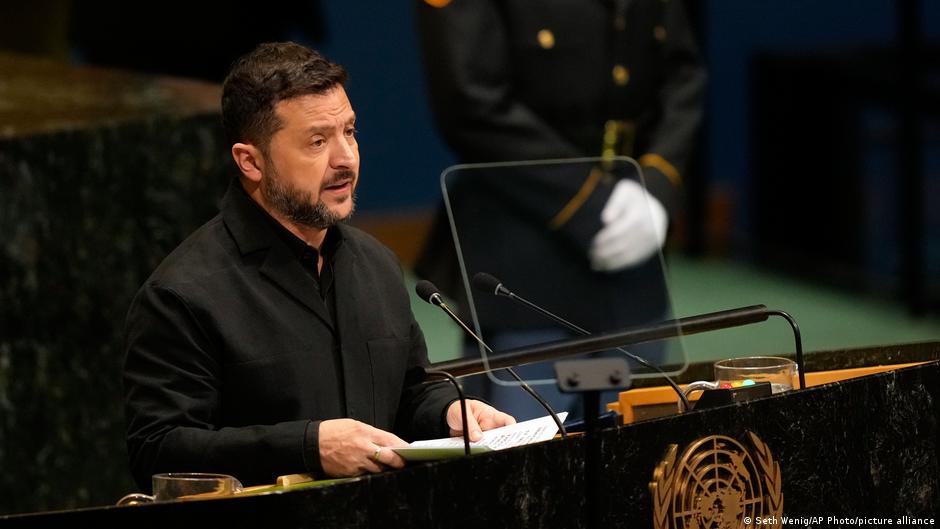
Zelensky’s UN speech tied Russia’s war capacity to energy risks, winter heating pressure and the market uncertainty facing households and investors.

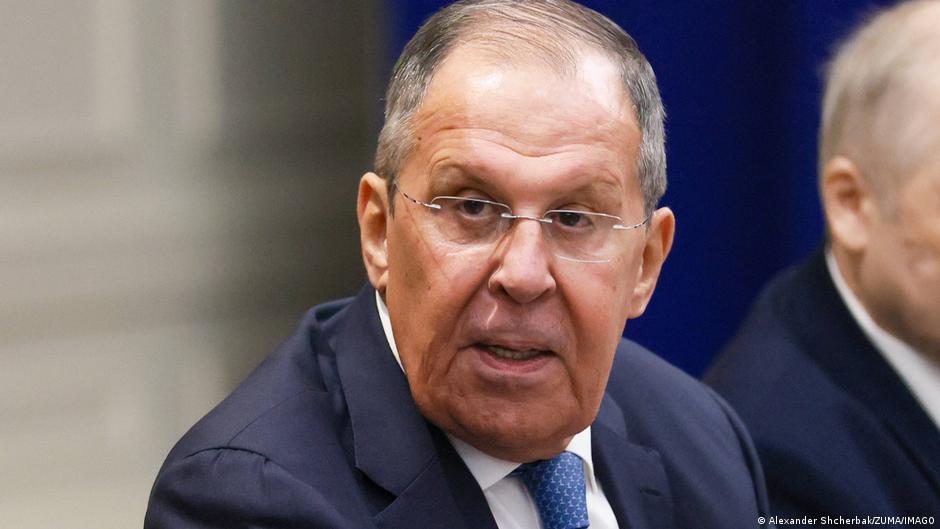
Lavrov ruled out a pause for Ukraine talks, keeping war-related uncertainty in focus for consumers, currencies and everyday investors.

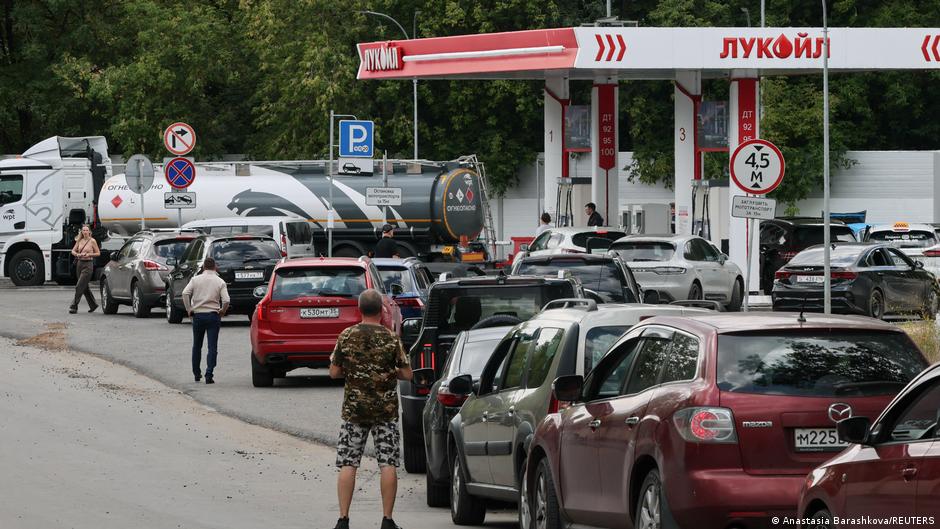
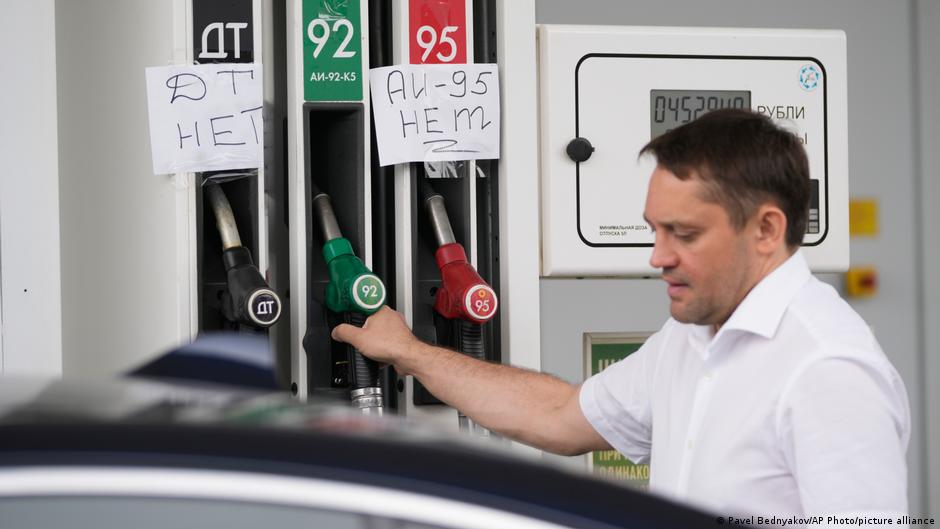
Kaluga and Zabaykalsky Krai are limiting gasoline sales again as refinery disruptions renew pressure on drivers and local budgets.

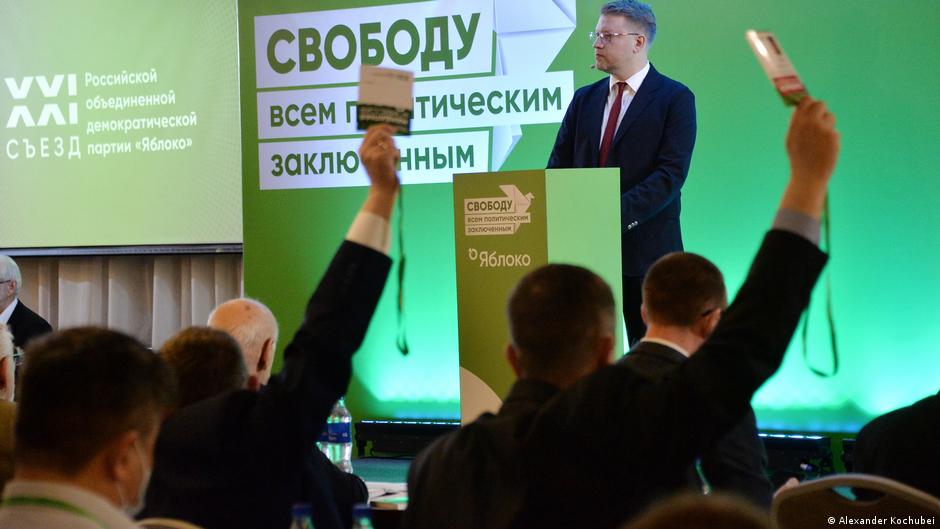
Yabloko’s 6.2 percent Novgorod result may preserve ballot access, shaping future voter choice and the political backdrop for household finances.

A major Yaroslavl refinery has halted fuel shipments after drone damage, worsening Russia’s fuel shortages and raising risks for household budgets.

The House advanced a bill allowing 100% tariffs on buyers of Russian energy, raising consumer price and investor concerns.

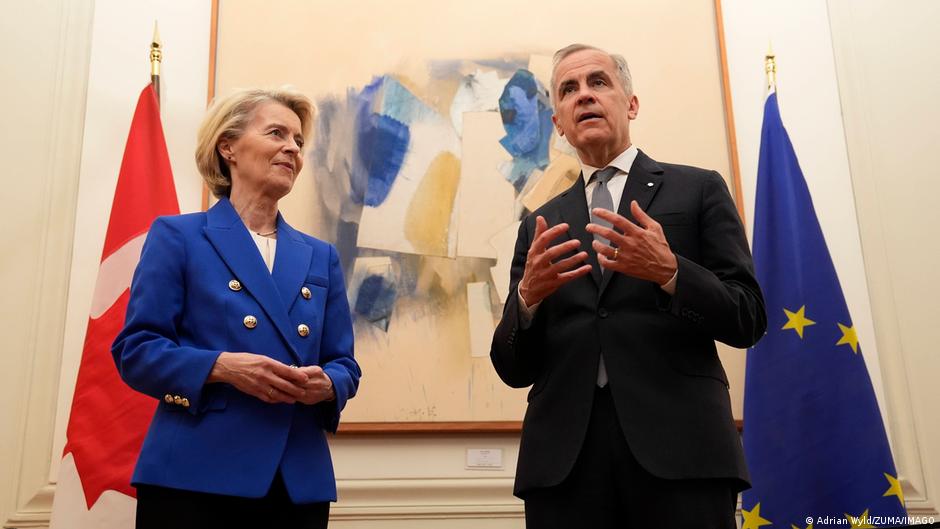
Canada is negotiating to join the EU’s €90 billion Ukraine loan, a move with implications for taxpayers, currency risk and investors.

Zelensky expects U.S. talks by late September on food and energy security, issues tied to household bills, inflation and market risk.

Finland’s completed Russia border fence highlights how security spending can affect public budgets, local economies and household finances.

Putin backed using medically unfit volunteers for rear-area drone defense, adding financial uncertainty for Russian households and savers.

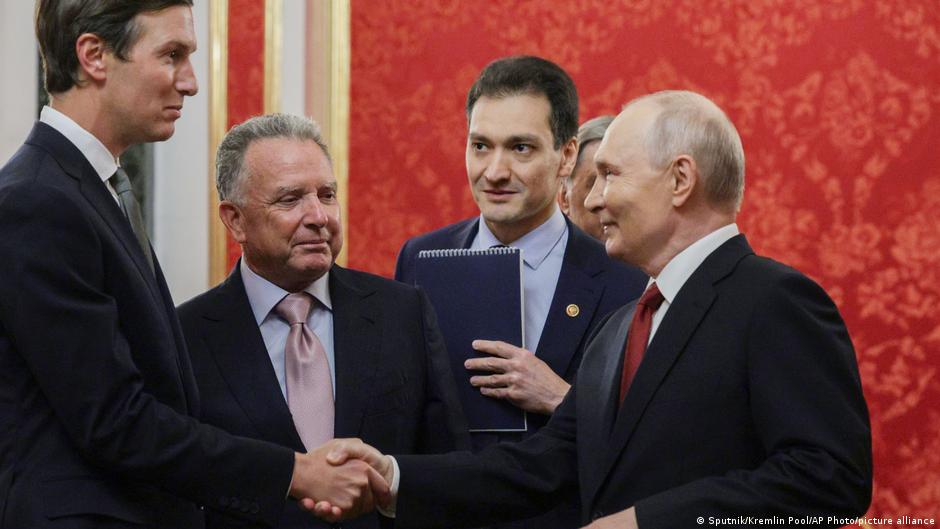
U.S. envoys discussed Ukraine peace plans with Putin before Kyiv talks, a development that could affect household costs, currencies and investors.

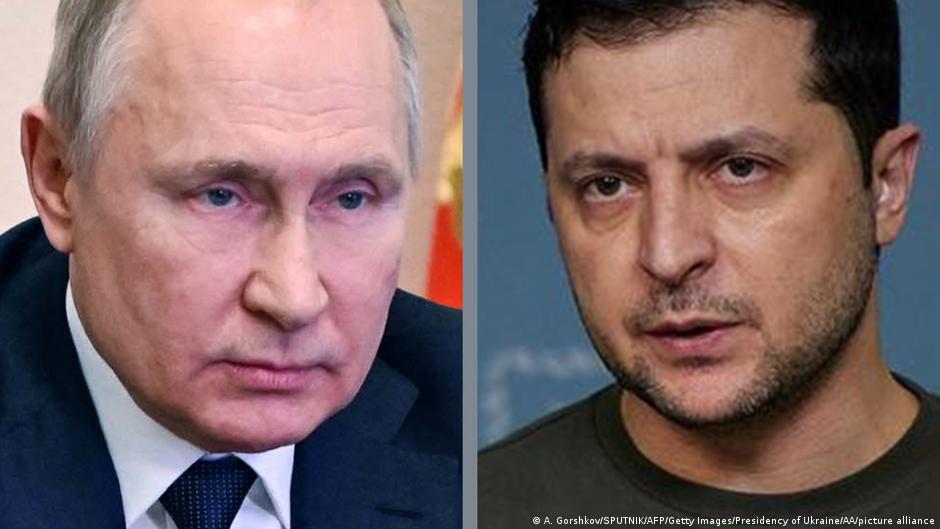
Putin said chances for peace exist, while Zelenskyy said U.S. envoys will visit Kyiv and Moscow, reviving focus on the war’s impact on budgets and markets.

ICAO’s call for stronger protections over conflict zones may influence travel costs, insurance pricing and investor sentiment around airlines and transport.

Putin says Armenia’s EU accession push would effectively mean quitting the EAEU, raising questions for trade, prices and investor confidence.

The detention of Russian blogger Ilya Remeslo amid political repression raises concerns about economic instability and impacts on household finances, savings, and currency confidence.

Russia permits individuals missing limbs to drive public transport, potentially boosting employment for veterans and improving household finances amid labor market shifts.

Ukraine warns Russia plans to expand military mobilization in 2026, including North Korean troops, raising economic risks for Russian households, savings, and currency stability.

Russia’s Defense Ministry plans to cancel mandatory medical exams for contract soldiers, reflecting recruitment struggles that may affect household budgets and economic stability.

Russia permits use of older Euro-3 gasoline and diesel fuels until 2026, impacting fuel quality, prices, and household budgets amid a worsening supply crisis.

Yulia Navalnaya receives a European Prize for opposing Russia’s authoritarian regime, highlighting the broader economic and financial impacts on European households.

Bulgaria plans to veto the EU's new sanctions on Russia, citing risks to fuel supply, metro parts, and fertilizer availability that could impact household budgets and inflation.

The EU's quiet talks with Russia may pave the way for peace, potentially easing inflation and market volatility that affect European households and investors.

President Zelensky's positive talks with US envoys highlight ongoing efforts to end the Ukraine war, affecting household budgets and financial markets worldwide.

Ukraine demands a ban on Russian military participation in UN missions over sexual violence allegations, escalating geopolitical tensions with economic implications for households and investors.

Drone attacks near St. Petersburg disrupt flights and raise economic concerns for Russian households, affecting travel, currency stability, and local investor confidence.

Russian missile strikes on Ukrainian cities cause casualties and infrastructure damage, impacting household budgets and financial stability amid ongoing conflict.

A Russian-origin drone crashed into a Romanian residential building, raising security and economic concerns for local households and investors amid regional tensions.

Putin warns Armenia of tariff hikes and work restrictions if it leaves the Eurasian Economic Union, threatening household budgets and economic ties.

Putin’s alleged children receive foreign language tutoring costing hundreds of thousands annually, revealing stark contrasts in elite versus average household spending amid Russia’s economic challenges.