Russian Anti-War Message Silenced Amid Growing Impact on Household Finances
Millions of Russians feel voiceless as Kremlin rejects calls to end war, deepening economic strains on families and personal savings.
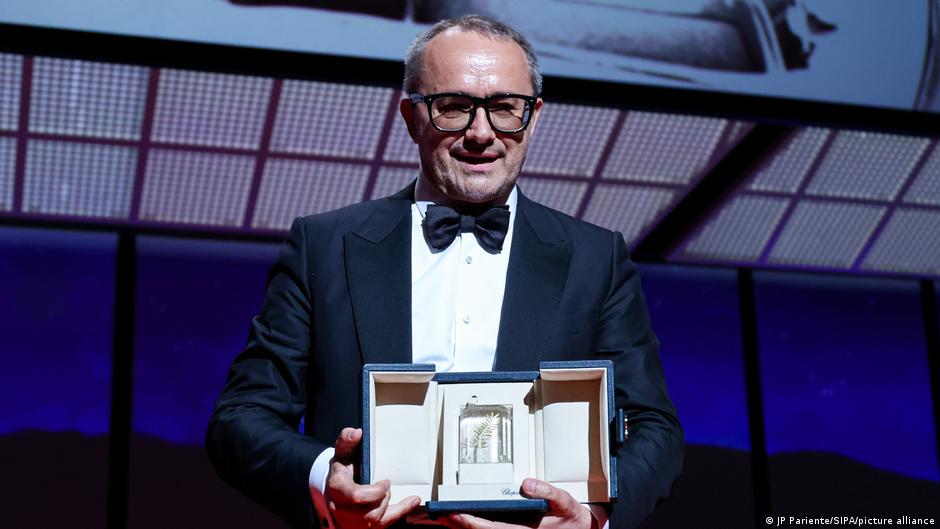
Amidst ongoing conflict and economic turmoil, millions of Russian households are grappling with the tangible financial repercussions of the war in Ukraine. The Kremlin’s refusal to acknowledge anti-war appeals sent by prominent figures exemplifies the broader social and economic challenges ordinary citizens face, including dwindling savings, currency instability, and constrained investment opportunities.
Voiceless Millions and Economic Strain
Andrei Zvyagintsev, the acclaimed Russian filmmaker and Cannes Grand Prix winner, publicly called on President Vladimir Putin to end the war in Ukraine during a speech at the Cannes Film Festival. His message highlighted the shared hope across the conflict zones for peace, emphasizing the devastating human cost and the urgent need to halt ongoing violence. However, Kremlin spokesperson Dmitry Peskov dismissed Zvyagintsev’s plea, stating that the filmmaker does not have the "right to speak" on the matter, a sentiment reflecting the suppression felt by millions of Russians.
"Yes, it is true—I have no voice, just as hundreds of millions of Russians have none today. Their voices have never been heard," Zvyagintsev lamented in response to Peskov’s dismissal.
The Kremlin's stance not only silences political dissent but also deepens uncertainty among everyday Russians who are already struggling with the war's economic fallout. Household budgets are tightening as inflation spikes and the ruble faces volatility, diminishing purchasing power and eroding savings. Many families are forced to prioritize immediate necessities over long-term financial planning, while confidence in local currency and investment options wanes.
War’s Toll on Personal Finance and Consumer Behavior
Since the conflict escalated, sanctions and economic disruptions have led to increased prices for food, fuel, and basic goods, placing significant pressure on household expenditures. The depreciation of the ruble against major currencies exacerbates this effect, especially for those relying on imported goods or foreign investments.
Moreover, the pervasive atmosphere of uncertainty discourages ordinary Russians from engaging in stock markets or other investment vehicles, traditionally avenues for building personal wealth. Instead, many turn to safer, low-yield savings or cash holdings—whose value steadily diminishes due to inflation.
Financial experts warn that prolonged conflict and political repression could stall economic recovery and undermine the financial security of middle- and lower-income families. Without clear government action to restore stability, households may face long-term setbacks affecting their ability to save for retirement, education, or emergencies.
Zvyagintsev’s poignant call to "stop this senseless and ruthless war" resonates beyond political spheres, touching the core of Russian society burdened by economic hardship. The filmmaker’s words urge immediate action to prevent further loss—not only of lives but also of financial and social capital essential for the country’s future.
In conclusion, the intersection of political suppression and economic strain presents a critical challenge for millions of Russian citizens. As voices calling for peace are denied, the cost to personal finances and consumer confidence grows, underscoring the urgent need for resolution and economic stabilization.