High-Cost Foreign Tutors for Putin’s Alleged Children Highlight Elite Spending Amid Economic Strains
Western-language tutors for Vladimir Putin’s purported children cost hundreds of thousands annually, raising questions on elite household budgets.
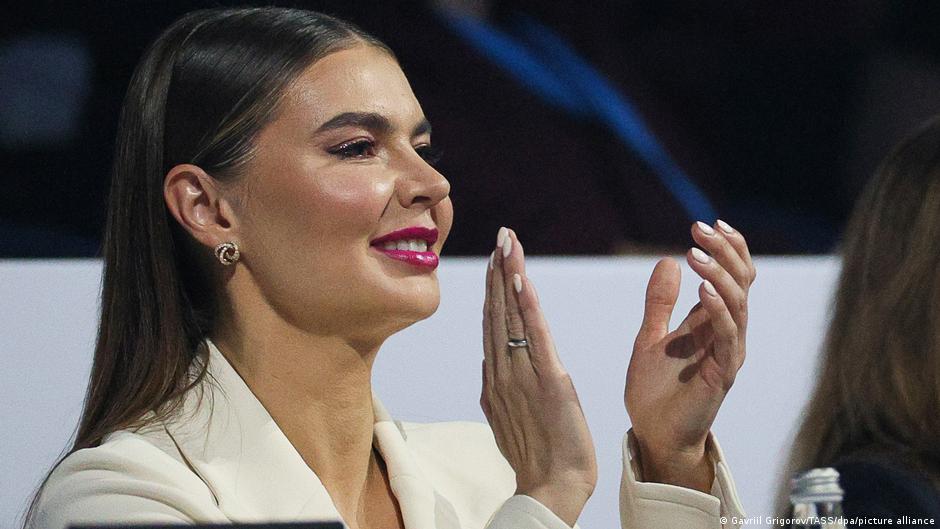
Investigations reveal that Vladimir Putin’s alleged children with Olympic champion Alina Kabaeva are taught foreign languages by tutors from Western countries, highlighting significant elite spending that contrasts sharply with the broader economic challenges faced by Russian households.
Elite Household Expenditures on Foreign Tutors
According to the findings from an investigative project, about 20 tutors from the United Kingdom, New Zealand, Germany, Austria, and Ireland have worked with Putin and Kabaeva’s purported children between 2017 and 2026. The annual payments for these tutors run into hundreds of thousands of dollars, with at least 3.5 million rubles ($45,000+) spent in January 2026 alone on the salaries of three such foreign educators.
Officially, these tutors are employed as "leading translators" at the Institute of Professional Retraining of the International Medical Center "Sogaz," a designation allowing them to obtain visas and work permits as "highly qualified specialists" in Russia. This arrangement suggests a highly organized and costly educational setup.
"By the age of four, the child should be fully immersed in a 'language bath,' with English spoken like a competent European," an insider recalls instructions given to tutors about the children's language education.
Family connections appear to play a role in the hiring process, with cousins of Alina Kabaeva—Olesya Fedina and Ekaterina Golovacheva—overseeing the recruitment of foreign tutors. However, official documents do not name Putin or Kabaeva directly, referring to the children only as "wards." In one 2019 document, a name Ivan Fedin appears, though it does not correspond to the name of Fedina's son, fueling speculation about the children’s identities.
Implications for Household Budgets and Currency Use
This lavish spending on foreign language tutors—amounting to multiple millions of rubles annually—stands in stark contrast to the tightening budgets experienced by many Russian families amid inflationary pressures and economic sanctions. While ordinary households grapple with rising prices for essentials and reduced purchasing power, the Kremlin’s elite maintain access to costly expatriate services, reflecting a significant divergence in financial realities.
Moreover, payments to foreign nationals in rubles indicate complex currency considerations amid fluctuating exchange rates and sanctions affecting international financial flows. The ability to hire highly qualified foreign specialists under special visa categories also points to prioritization of elite privileges despite broader restrictions.
Broader Context and Consumer Finance Considerations
For everyday consumers and investors, such revelations underscore the ongoing disparities in wealth allocation and the shielding of elite finances from economic hardships. Households facing inflation and currency depreciation find it increasingly difficult to allocate funds to education or private tutoring, while elite families continue to invest heavily in exclusive services.
Financial advisers highlight that such spending patterns may signal persistent inequality and potential risks for future economic stability, as concentrated wealth and privilege can exacerbate social divides and limit broad-based economic recovery.