EU Engages in Quiet Talks with Kremlin Amid Ongoing Ukraine Conflict Impacting Economies
The European Union initiates discreet communications with Russia, signaling potential shifts affecting household finances and markets.
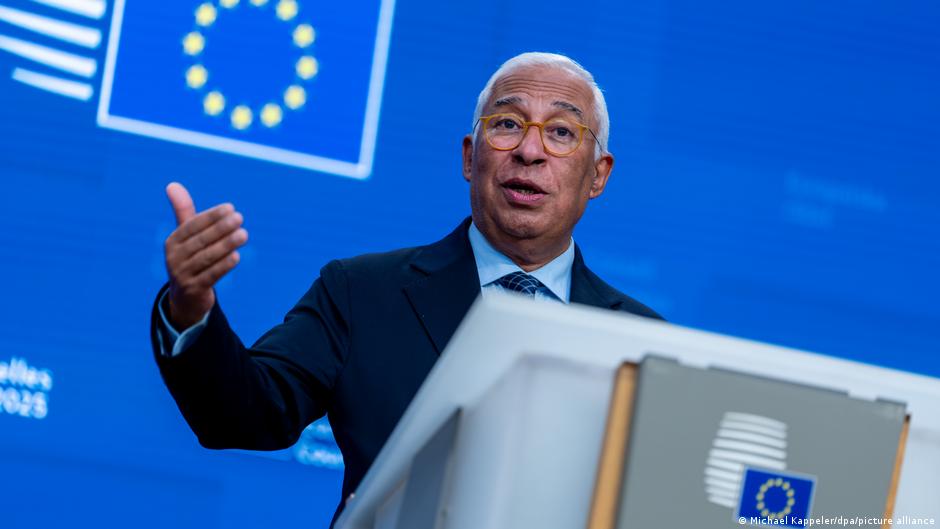
The European Union has initiated confidential contacts with the Kremlin, aiming to lay groundwork for possible future negotiations to end the ongoing conflict in Ukraine. These developments have significant implications not only for international relations but also for household budgets, savings, and consumer markets across Europe.
Quiet Diplomacy Amid Economic Strain
According to informed sources, the EU Council President António Costa’s advisor engaged in two phone conversations with a senior Russian official close to President Vladimir Putin. Although details regarding the timing and participants of these calls remain undisclosed, the move represents a strategic step toward engaging Moscow in dialogue.
“There is potential for negotiations with Putin,” António Costa remarked earlier in May, highlighting the European Council’s readiness to explore peaceful resolutions when conditions permit.
While neither the EU Council spokesperson nor the Kremlin’s press secretary Dmitry Peskov commented publicly on these interactions, the EU’s efforts reflect an awareness of the growing economic toll the conflict imposes. European economies are grappling with rising costs, energy supply uncertainties, and market volatility, factors that increasingly weigh on everyday consumers and investors.
Impact on Household Budgets and Consumer Confidence
The ongoing war in Ukraine has caused disruptions to energy supplies and commodity prices, driving inflation upward across the continent. Households face higher utility bills, increased food prices, and elevated costs for goods and services, squeezing disposable incomes. The EU’s tentative diplomatic moves aim to stabilize the situation by potentially ending the conflict, which would help ease these pressures.
Moreover, the uncertainty surrounding the conflict and sanctions regime affects currency stability and investment climates. Savings and pension funds invested in affected markets have experienced heightened volatility, prompting individual investors to reassess risk exposure. The prospect of renewed negotiations could restore some confidence, mitigating currency fluctuations and market anxiety.
Coordinated European Approach
Separately, major European economies including Germany, France, and the United Kingdom have also discussed strategies to involve Russia in peace talks, coordinated with Ukrainian President Volodymyr Zelensky. European officials believe that stalled Russian military advances, intensified Ukrainian counterstrikes, and mounting economic costs may create an opening for meaningful dialogue.
Such diplomatic efforts underscore the interconnectedness of geopolitics and personal finance. As the EU explores pathways to reduce conflict-related economic disruption, households and consumers remain attentive to how these developments will influence inflation trends, currency stability, and investment prospects.