US Introduces Permanent Visa Bond for Citizens of 50 Countries, Impacting International Travelers' Finances
Starting August 3, citizens from 50 nations must pay up to $20,000 as a visa bond to reduce visa overstays, affecting household budgets and international travel costs.
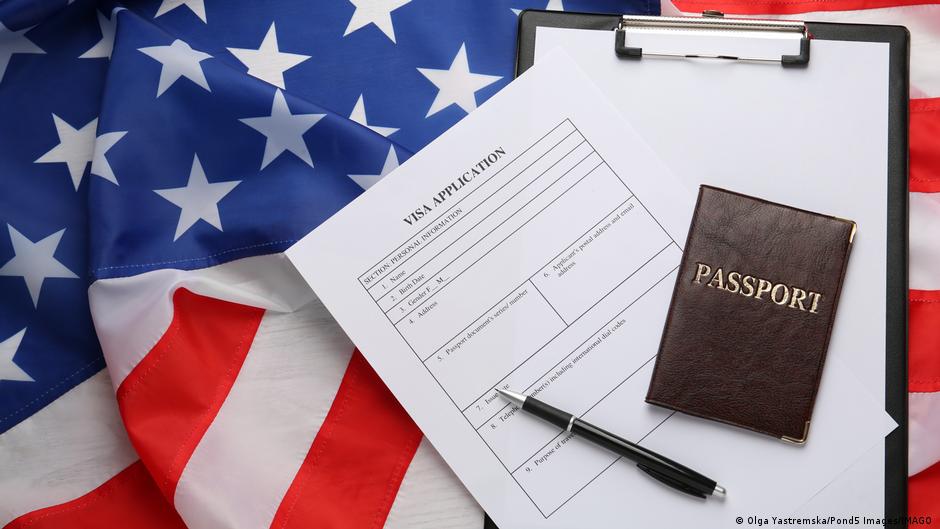
The U.S. Department of State has announced the implementation of a permanent visa bond requirement for citizens of 50 countries, effective August 3. The new policy mandates that applicants for business and tourist visas (B-1/B-2) from these countries deposit a bond of up to $20,000 as a guarantee for their lawful stay in the United States.
Financial Implications for Travelers and Their Families
Previously piloted with bonds ranging from $5,000 to $15,000, this program has now been expanded, removing the minimum threshold and increasing the maximum bond amount to $20,000. The decision comes amid concerns over visa overstays, as citizens from these countries accounted for nearly 45,500 instances of overstaying visas in the 2024 fiscal year before the pilot program. Since the pilot's implementation, overstays have drastically reduced to less than 50 cases, while visa issuance dropped by 83% for affected nationals.
"The bond will be refunded when the visa holder complies with the terms of their stay, but will be forfeited if they overstay or violate visa conditions," the Department of State clarified.
This policy introduces a significant financial consideration for travelers and their families, as the visa bond represents a substantial upfront cost. For many households, especially those in developing countries included on the list—such as Georgia, Kyrgyzstan, Tajikistan, Turkmenistan, and others in Africa, Southeast Asia, and Latin America—this could restrict access to U.S. travel and business opportunities.
The bond serves as a financial deterrent to visa violations but may also affect the broader economy by reducing remittances, tourism spending, and business travel from these countries. Families who might have previously saved for travel or educational purposes will now face additional budgeting challenges, potentially impacting savings and consumption patterns.
How the Policy Affects Currency and Savings
Given that the bond must be posted in U.S. dollars, applicants must convert their local currency, often at unfavorable rates due to the large sums involved. This requirement may lead to increased demand for dollars in these countries, possibly impacting currency exchange rates and their economies. Furthermore, households may need to liquidate savings or borrow funds to meet bond demands, increasing financial strain.
For the U.S., the policy aims to improve border security and reduce visa fraud, but for the affected households, it raises questions about accessibility and fairness. Notably, Russia is not included in the list, sparing its citizens from this financial burden.
Travelers from the specified countries should plan their finances accordingly, considering that the bond is refundable only if visa conditions are met and the traveler leaves the U.S. on time. Failure to comply means forfeiting the entire amount, creating a high-stakes financial risk.
As the visa bond requirement becomes permanent, international travelers and everyday investors connected to cross-border activities will need to reassess their financial planning, potentially adjusting savings goals and currency management strategies to accommodate these changes.