Repeated Power Outages at Zaporizhzhia Nuclear Plant Raise Concerns for Energy Security and Consumer Costs
The Zaporizhzhia Nuclear Power Plant lost external power for the 23rd time since the conflict began, highlighting risks to energy supply stability and household budgets.
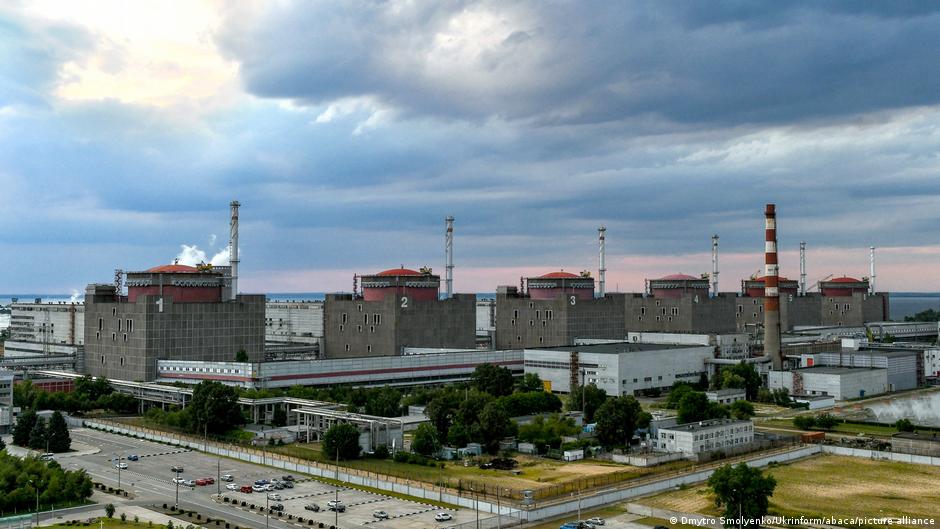
The Zaporizhzhia Nuclear Power Plant (ZNPP), the largest nuclear facility in Europe, has experienced its 23rd external power outage since the full-scale war in Ukraine began, according to reports from the International Atomic Energy Agency (IAEA). The incident, which occurred on August 1, required the plant to rely on emergency diesel generators for nearly two hours to maintain critical cooling systems.
Impact on Energy Supply and Household Budgets
Repeated disruptions at ZNPP pose significant risks not only to nuclear safety but also to the stability of electricity supply in the region. Households and businesses relying on consistent power face potential increases in energy costs and reliability issues. Emergency measures and unstable power grids often lead to surges in electricity prices, which can strain household budgets and reduce disposable income.
"The reliance on backup generators and frequent power interruptions illustrate the fragility of the current energy infrastructure," said energy market analysts. This fragility often translates into increased operational costs for utilities, some of which may be passed on to consumers through higher tariffs.
Moreover, the uncertainty surrounding power supplies complicates household financial planning. Consumers may need to invest in alternative energy solutions or prepare for intermittent outages, both of which can negatively affect savings and disposable income.
"Repeated power outages at key energy infrastructure like ZNPP put upward pressure on energy prices, directly impacting everyday consumers and their financial wellbeing."
Geopolitical Factors and Currency Implications
The Zaporizhzhia plant has been under Russian control since April 2022 and is currently located in an occupied area of Ukraine. The ongoing conflict and military activities near the plant have led to additional safety concerns, including internet and water supply disruptions, further complicating the operational environment.
Geopolitical tensions influence currency stability in the region. Risks to energy infrastructure add volatility to local currencies, affecting inflation and purchasing power. Households and investors may find their savings eroded by currency fluctuations linked to these uncertainties.
Additionally, efforts by Russian authorities to connect the plant’s power output to annexed Ukrainian territories and southern Russian regions suggest attempts to integrate energy supply chains amidst the conflict. However, recent drone attacks on electrical substations have temporarily disrupted these plans, further highlighting the unstable situation.
Long-Term Outlook for Energy and Investment
Environmental groups suggest that Russian energy strategies consider ZNPP a cost-effective alternative to building new reactors in southern Russia. However, the instability surrounding the facility indicates that relying on it carries significant risks.
For everyday investors, the situation underscores the importance of monitoring geopolitical risks in energy markets. Investments linked to energy infrastructure in conflict zones may face sudden disruptions, impacting returns and portfolio stability.
Households should remain vigilant about the potential for energy price volatility and consider diversifying energy sources where possible to protect against rising costs.