Venezuela's Government and Opposition to Hold Talks Impacting Economic Stability and Elections
Upcoming negotiations in Caracas focus on earthquake aid and election timelines with potential effects on household finances and currency stability.
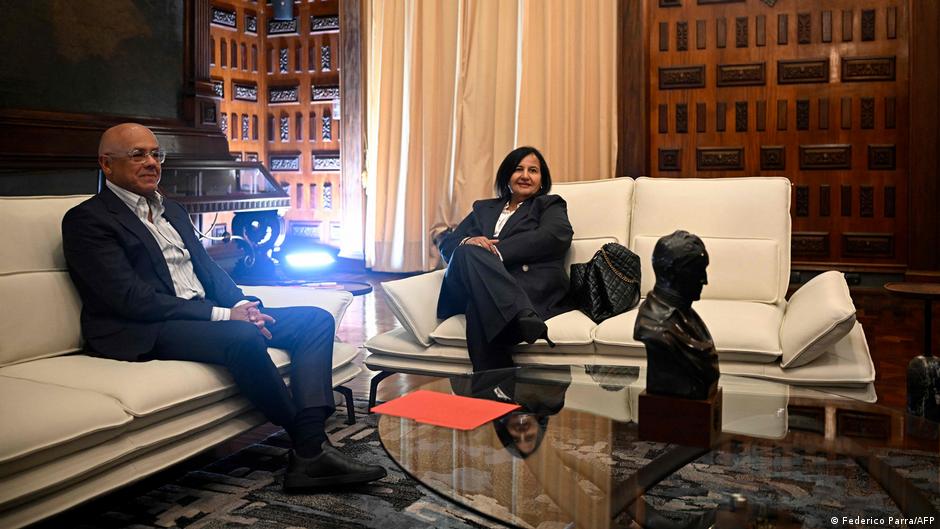
Venezuela's government is set to engage in its first direct negotiations with opposition representatives in Caracas next week. The discussions are expected to focus on delivering aid to those affected by a recent earthquake and on setting a schedule for new elections — developments that could have significant implications for the country's economic landscape and everyday citizens' financial security.
Potential Impact on Household Budgets and Currency Stability
These talks come at a critical time for Venezuelans, many of whom face ongoing economic challenges including inflation, currency volatility, and limited access to essential goods and services. The government's approach to earthquake relief and political reform could influence how quickly resources are mobilized to support affected communities, potentially easing immediate financial pressures on households.
The discussions are also expected to address the restoration of democratic institutions and improvements to the electoral system. A transparent and credible election process may help stabilize political uncertainty, which has historically contributed to fluctuations in the Venezuelan bolívar’s value and discouraged foreign and domestic investment.
"Restoring democratic processes and addressing humanitarian needs could help rebuild investor confidence and support currency stability," political analyst notes.
The opposition will be represented by Dinora Figuera, head of a centrist opposition bloc that won the 2015 parliamentary elections but was not recognized by the current government. Figuera, who fled Venezuela in 2018 fearing persecution, is expected to bring a perspective focused on democratic renewal and social recovery.
Meanwhile, the government’s delegation is led by Jorge Rodriguez, chairman of the National Assembly and chief negotiator for the ruling coalition. The talks receive backing from Washington, where there is international interest in easing Venezuela's political crisis and its economic ripple effects.
Implications for Everyday Investors and Savings
The last Venezuelan elections took place in 2024, officially resulting in a win for incumbent Nicolás Maduro. However, the opposition rejected these results, claiming their candidate, Edmundo González Urrutia, had majority support. This political impasse has contributed to economic uncertainty, affecting currency exchange rates, inflation expectations, and investment decisions.
If the talks lead to clearly defined election schedules and more transparent governance, Venezuelans could see improved confidence in national financial institutions and the bolívar. This would be critical for everyday investors, who currently face devaluation risks and limited access to stable savings options.
Nonetheless, some key opposition figures like Nobel Peace Prize laureate María Corina Machado remain excluded from the talks, which could limit the scope of reconciliation and affect the broader political environment.
Overall, the outcome of these negotiations will be closely watched by households and investors alike—as measures taken to address humanitarian needs and democratic reforms could directly influence Venezuela’s economic trajectory and the financial well-being of its citizens.