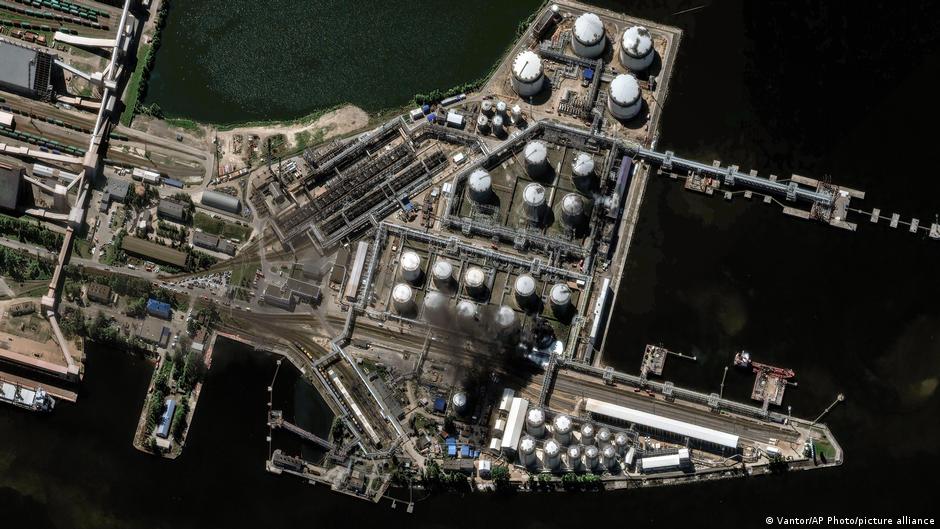
St Petersburg Drone Attack Raises Risks for Energy and Household Costs
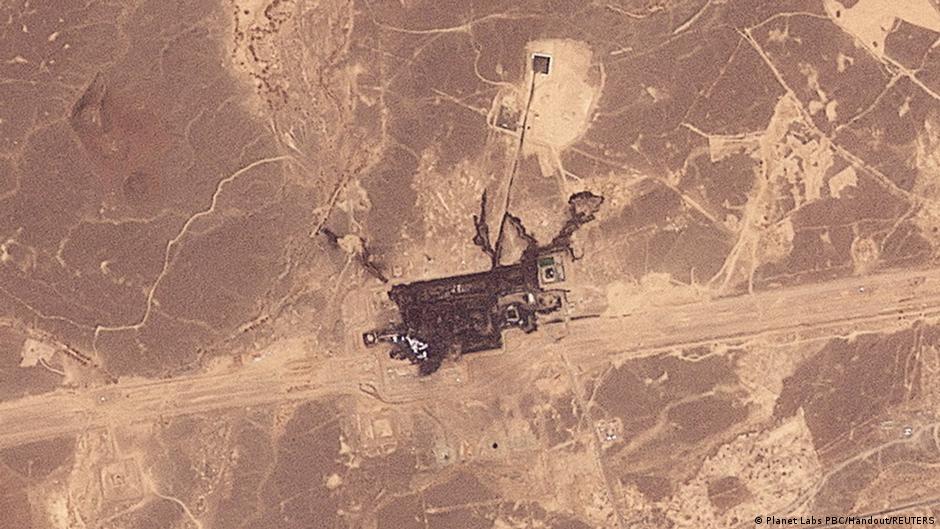
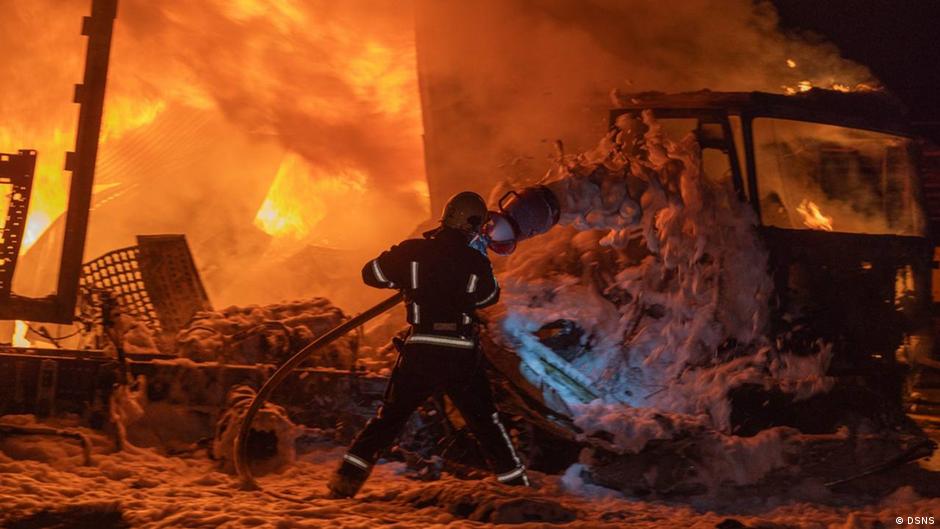
Drone strikes on St Petersburg disrupted oil, power, technology and transport infrastructure, creating potential costs for households and investors.

Drone strikes on St Petersburg disrupted oil, power, technology and transport infrastructure, creating potential costs for households and investors.

Power and water outages in Kyiv and Lutsk are adding emergency costs for households while renewing concerns about savings, currencies and Ukrainian assets.
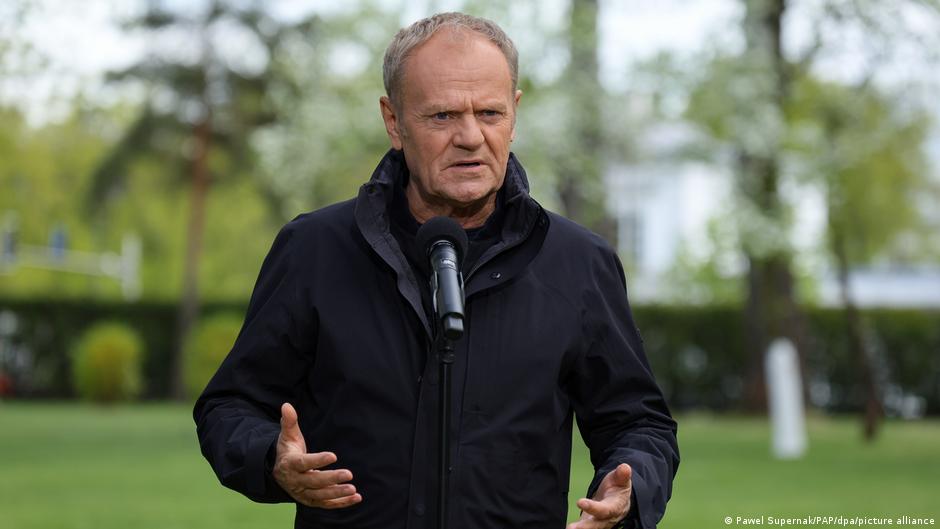

ECB approval gives UniCredit a path to control Commerzbank, raising longer-term questions about banking competition, jobs, savings and small-business finance.

Finland is urging an EU-wide tourist visa ban for Russians, a move that could affect travel budgets, currencies and consumer spending flows.

Germany’s long-term Bürgergeld rolls are fueling debate over taxes, work incentives and the pressure welfare spending places on household budgets.

A U.S. strike disabled a cargo ship near Iran, while a tanker was hit in Hormuz, raising fresh concerns over fuel costs and household budgets.

A congressional push to ban Russian oil purchases could affect diesel supply expectations, fuel costs, inflation and energy-linked investments.

Ukraine will discuss a new war-ending plan with Trump envoys as households and investors watch the budget, currency and market risks.

Brazil’s runoff between Flavio Bolsonaro and Lula da Silva could affect inflation expectations, the real, savings and investor confidence.

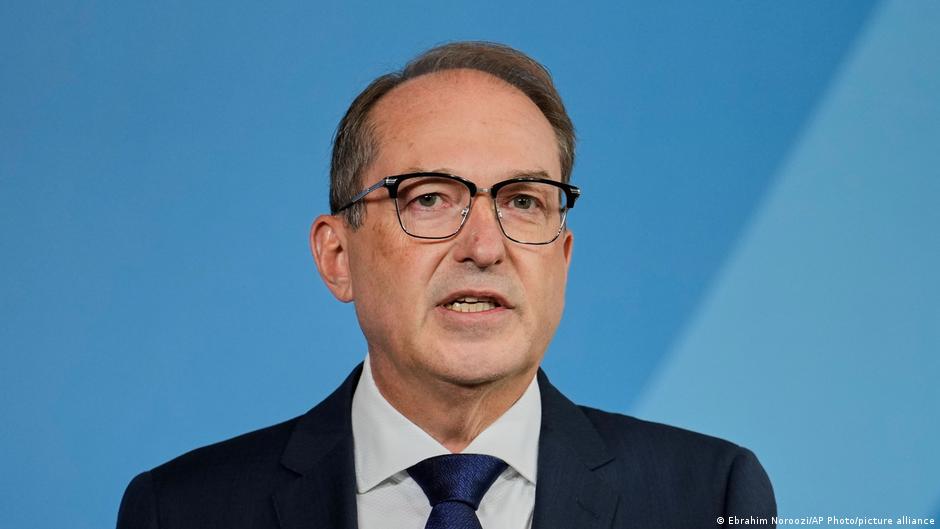
Germany’s economy minister warned the Left Party’s Berlin win could weaken investor confidence and raise risks for households and savers.

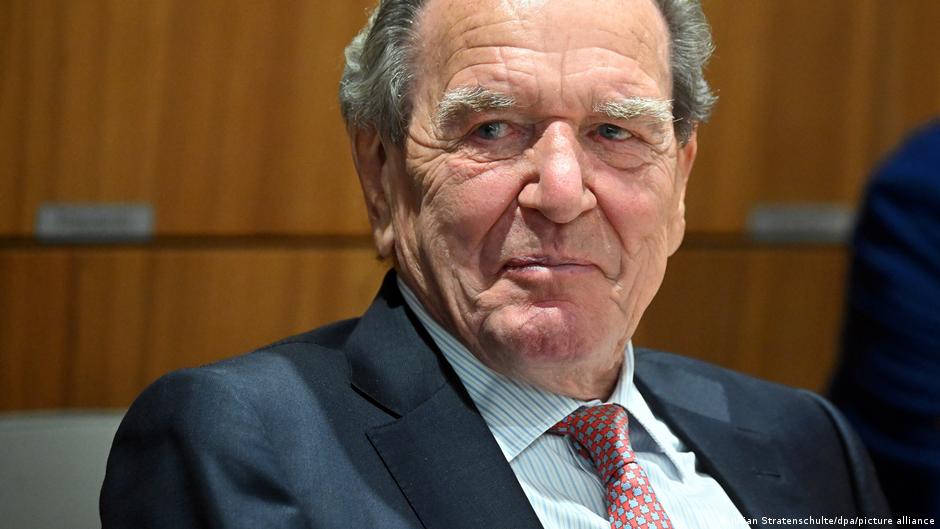
Gerhard Schröder’s new Hyperglobus role has triggered German criticism and fresh concerns over Russian retail risk and household costs.

Western plans to relocate embassies from Kyiv highlight rising winter risks for households, currencies, energy costs and investors.

Maria Kolesnikova urges the EU to pair diplomacy and sanctions to free Belarusian political prisoners and reduce Russia-linked regional risk.

The EU refused to advance part of a €90 billion Ukraine loan, keeping pressure on 2027 funding plans and European budgets.

A Seoul-Kyiv dispute over North Korean prisoners could affect defense expectations, currency sentiment and investor risk in Asia and Europe.

Russian strikes damaged homes, businesses and energy sites in Ukraine, triggering power limits that could raise costs for households and firms.

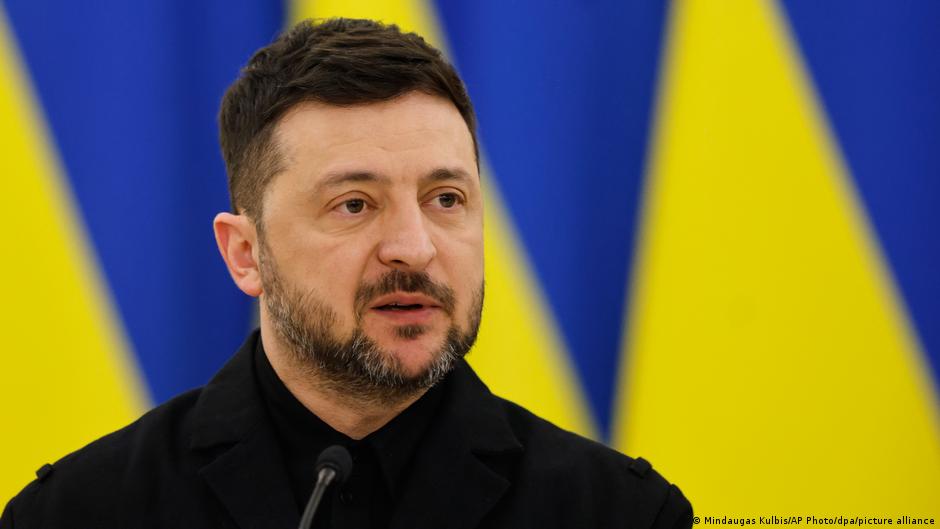
Zelensky says North Korea may send 10,000 more troops to Russia, a risk that could prolong financial uncertainty for households and investors.

Russian overnight attacks on Kyiv followed deadly daytime strikes, adding pressure on residents’ safety, repairs, transport and emergency savings.

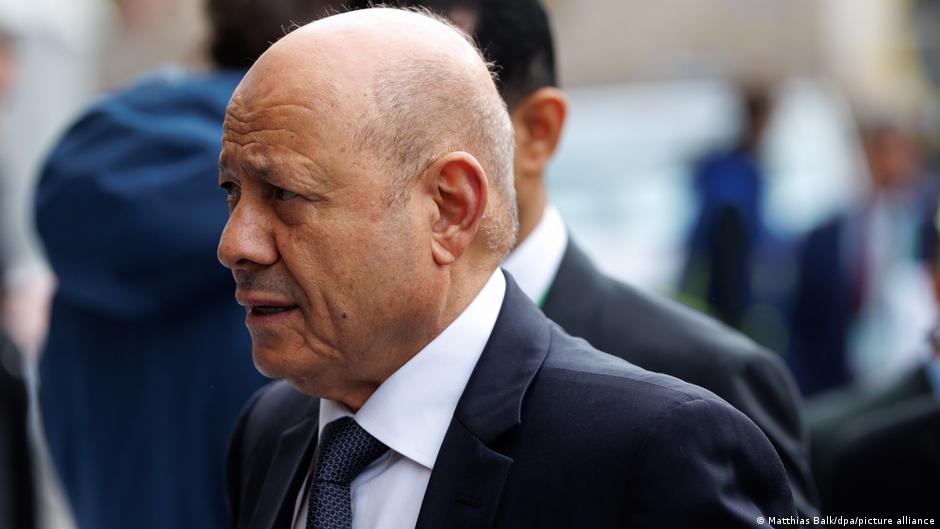
Yemen’s mobilization call comes as Houthi advances threaten key waterways, oil exports and energy costs that can hit household budgets.

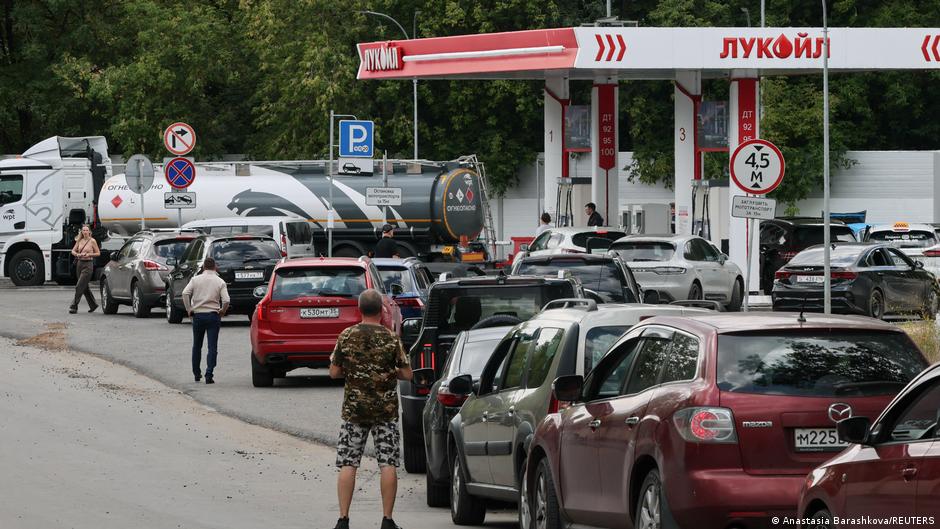
Kaluga and Zabaykalsky Krai are limiting gasoline sales again as refinery disruptions renew pressure on drivers and local budgets.

Berlin’s Left Party win puts rent policy, household costs and property-market risk at the center of coalition talks.

United Russia’s projected Duma dominance signals policy continuity for Russian households, savers and everyday investors.

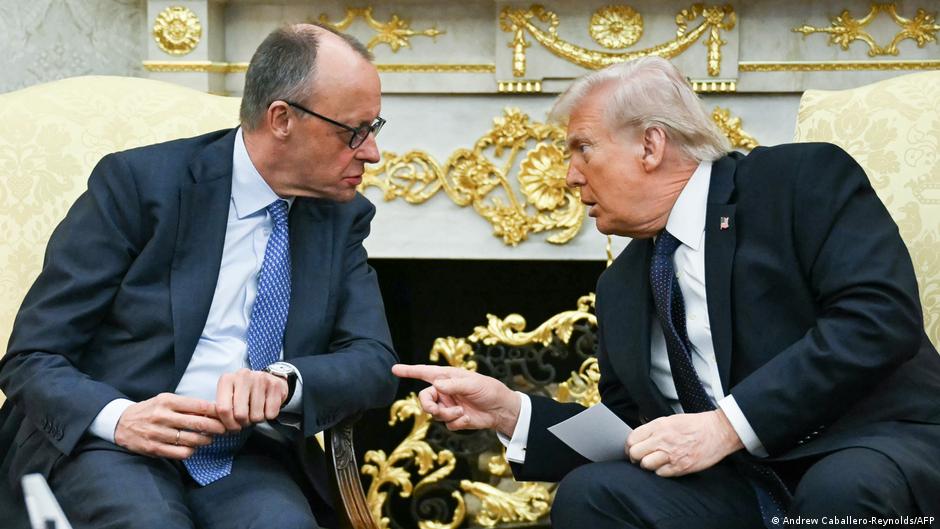
Merz says the old U.S.-German alliance may be over, raising questions for prices, defense spending, currencies and everyday investors.

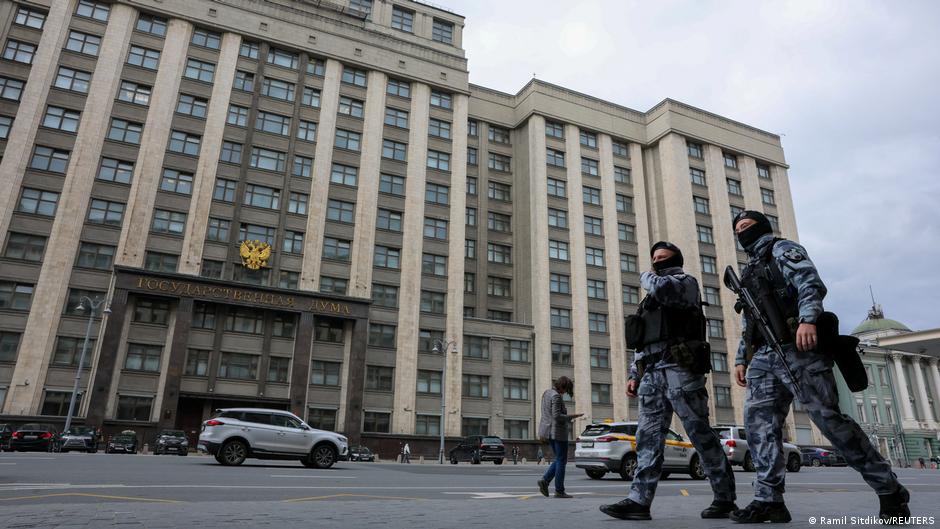
Russia’s three-day Duma vote opens amid war, occupied-territory voting and transparency concerns with implications for household finances.

A major Yaroslavl refinery has halted fuel shipments after drone damage, worsening Russia’s fuel shortages and raising risks for household budgets.

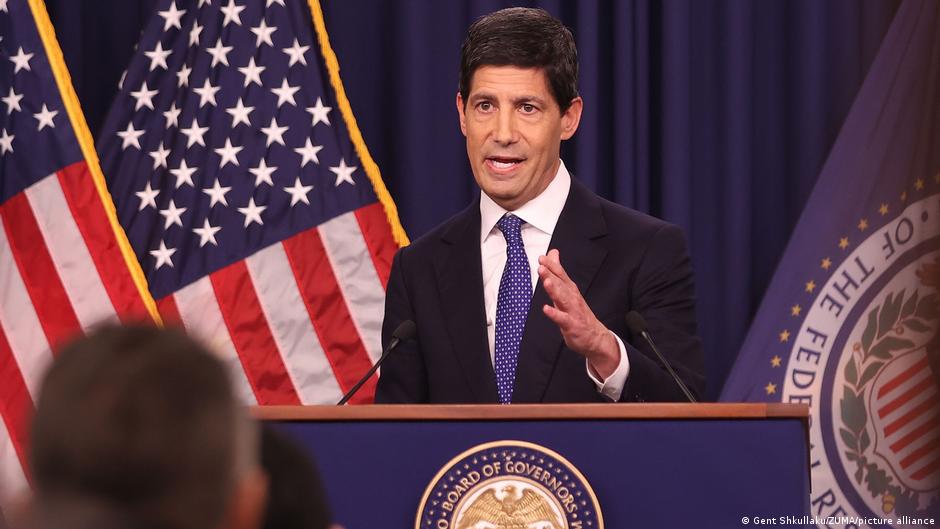
The Fed lifted rates to 3.75-4%, raising borrowing pressure for households while potentially improving returns for savers.

Russian attacks wounded civilians, including children, and damaged homes, offices, warehouses and cars in Kyiv, Odesa and Sumy.

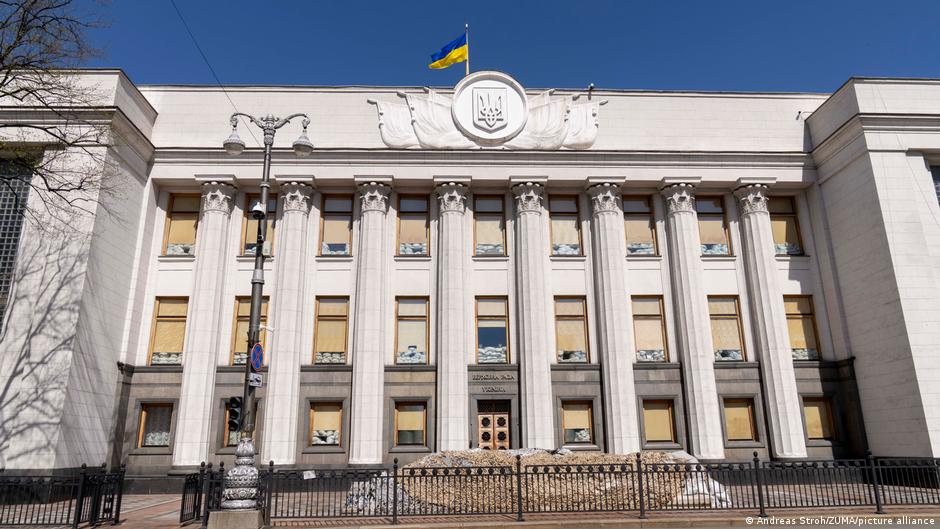
Ukraine’s parliament will review unpopular budget bills tied to billions in Western aid, with consequences for defense pay, families and savings.

Russian drone strikes hit Kyiv fuel stations, warehouses and Odesa infrastructure, killing at least two and raising household cost risks.

China warned the US against preparing for space war after Washington confirmed orbital weapons, raising risks for satellites that support daily finance.

A prolonged Saudi pipeline shutdown could tighten oil supplies, raising risks for fuel prices, household budgets, currencies and investors.

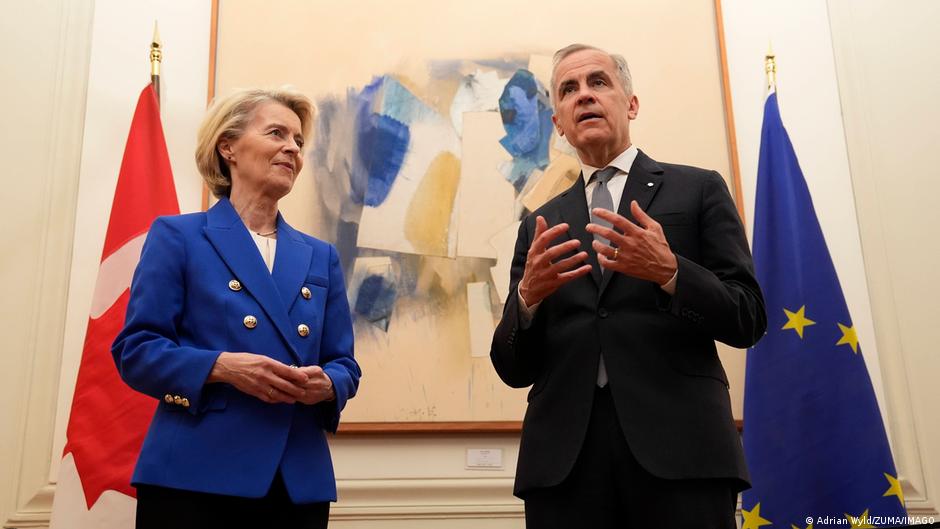
Canada is negotiating to join the EU’s €90 billion Ukraine loan, a move with implications for taxpayers, currency risk and investors.

Mass protests across Germany against right-wing extremism add political risk to the outlook for households, savers and everyday investors.

Critical damage at Zaporizhstal raises risks for jobs, taxes, steel supply and household finances after a third Russian missile strike in a month.

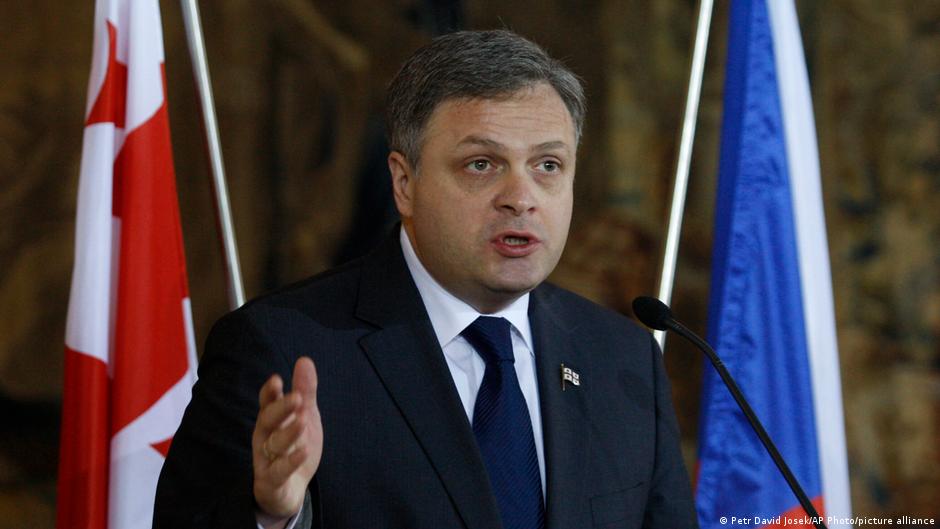
Georgia detained former defense chief Giorgi Baramidze in a treason case, adding political risk for households, savers and investors.

A reported drone threat delayed Zelensky’s flight from Moldova, highlighting how regional security risks can affect travel, currencies and household costs.

Russian strikes on Sumy and Mykolaiv killed civilians, injured dozens and damaged retail, port, warehouse and postal infrastructure.

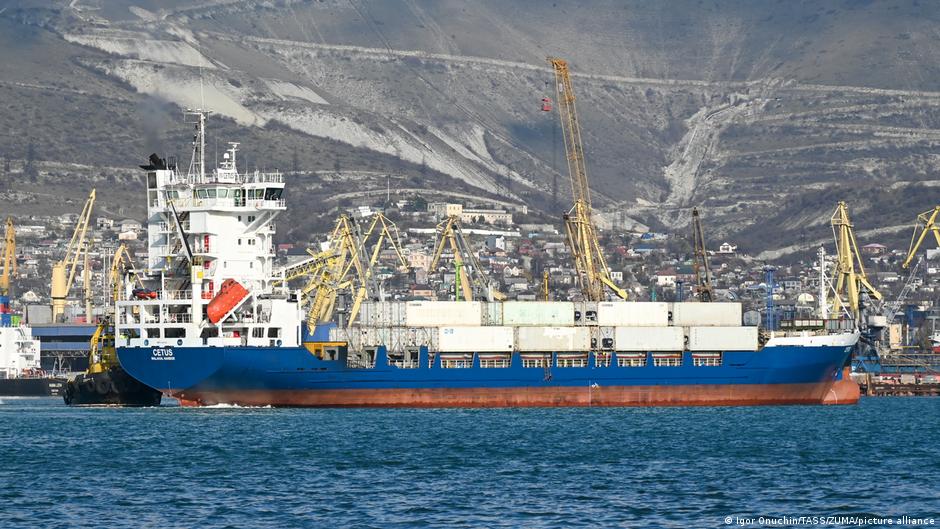
A reported drone attack and fire at Novorossiysk’s port hub could add pressure to fuel, food and market risks watched by households and investors.

Germany’s foreign minister says aid to Ukraine should also benefit German defense firms, citing the need to justify spending to taxpayers.

AfD’s Saxony-Anhalt win drew sharp reactions from Poland and France, adding political uncertainty for European savers, households and investors.

AfD’s Saxony-Anhalt win raises uncertainty over coalition talks, energy policy, sanctions and the economic outlook for households and investors.

Germany’s planned anti-sabotage shield could add new cost pressures across transport, energy, cybersecurity and household budgets.

Volkswagen approved a major overhaul with about 50,000 planned job cuts, a slimmer model range and big profit targets, raising stakes for workers and investors.

A decade of Uzbek reforms changed taxes, licensing and currency access, with knock-on effects for household budgets, jobs and small investors.

Foreign investment in Germany rose to 86 billion euros in 2025, with British firms gaining ground as U.S. investment fell sharply.

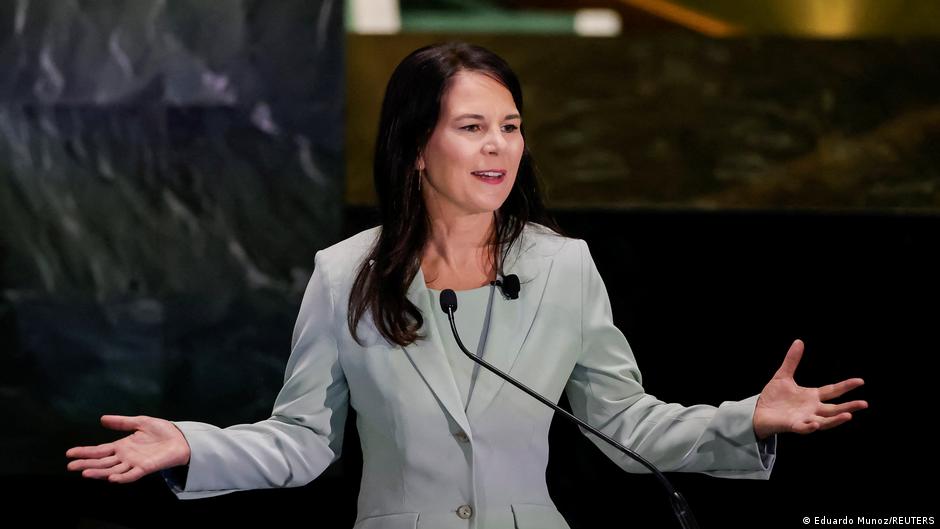
After leading Germany's foreign policy and chairing the UN General Assembly, Annalena Baerbock will join Columbia University as co-director of a public administration program focused on global leadership.

The U.S. has removed Syria from its terrorism sponsor list, opening new economic opportunities with potential impacts on currencies, investments, and household finances worldwide.

Sabotage at European defense factories risks supply chain disruptions that could raise consumer costs and disrupt savings amid ongoing geopolitical tensions.

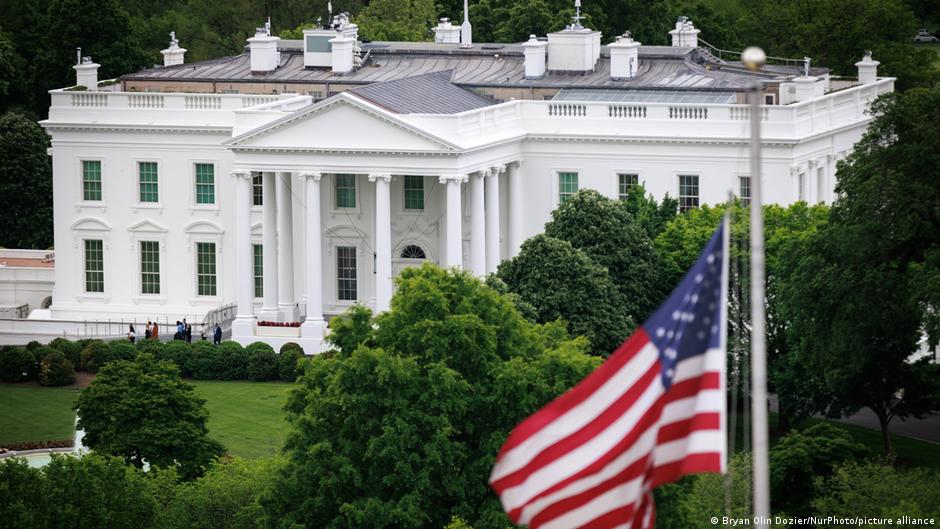
The US Supreme Court permits President Trump to continue White House renovations, including a ballroom and bunker, with potential impacts on government spending and household finances.

Russia permits individuals missing limbs to drive public transport, potentially boosting employment for veterans and improving household finances amid labor market shifts.