Drone Attacks in Ukraine Raise Concerns Over Civilian Safety and Economic Stability
Recent Russian drone strikes on Ukrainian cities impact households, infrastructure, and local economies amid ongoing conflict.
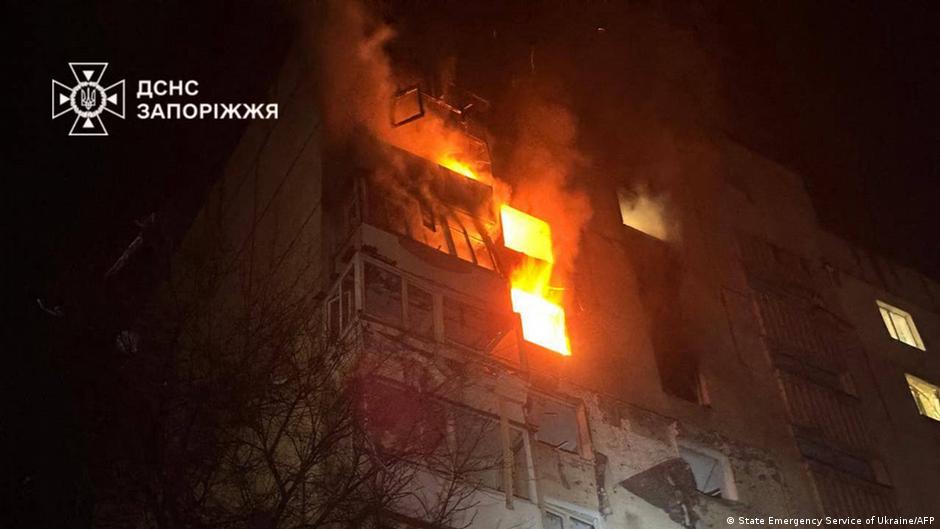
Recent drone attacks by Russian forces have targeted residential areas in the Ukrainian cities of Zaporizhzhia and Konotop, causing civilian casualties and damage to critical infrastructure. These attacks not only result in tragic human loss but also have broader implications for household finances, savings security, and local economic stability.
Impact on Households and Local Economy
In Zaporizhzhia, a drone strike hit a residential multi-storey building, damaging apartments and parked vehicles. A 44-year-old woman was killed, and 11 people sustained various injuries. Similarly, Konotop faced drone strikes affecting homes and civic infrastructure, including a private house that caught fire. The assault injured five people, including three children and their mother.
Such attacks force families to divert limited resources toward emergency repairs, healthcare, and temporary relocation. Damage to residential properties can strain household savings, increase debt levels, and reduce disposable income. The destruction also disrupts local markets and services, undermining economic resilience.
“The city lost access to water and partial electricity supply following the attacks, directly affecting daily life and consumer expenses,” noted the mayor of Konotop.
Intermittent utility outages often lead to increased spending on alternative energy sources, water procurement, and food storage solutions, further burdening household budgets already challenged by inflation and economic uncertainty.
Broader Financial Implications
Beyond immediate physical damage, these military actions can influence currency stability and investment confidence. Investors and local businesses may hesitate to commit capital in conflict-affected regions, reducing economic growth potential. Currency fluctuations may occur due to geopolitical tensions, impacting exchange rates and purchasing power for ordinary consumers.
In Kherson, another drone strike killed a 75-year-old man, highlighting the ongoing risks to civilian life and the fragile security environment. Persistent violence contributes to economic volatility, making financial planning difficult for families and small investors.
As hostilities continue, Ukrainian households face increasing challenges in safeguarding their savings and maintaining stable financial conditions. Consumer spending patterns may shift towards essential goods and services, limiting economic diversification and recovery prospects.
Overall, the recent drone attacks underscore the intersection of geopolitical conflict with everyday economic realities, highlighting the need for robust support systems to protect civilian well-being and financial security amid crisis.