Russian Attack in Zaporizhzhia Causes Power Outage, Disrupting Household Budgets and Services
Military strike leaves part of Zaporizhzhia without electricity, impacting daily life and expenses for residents.
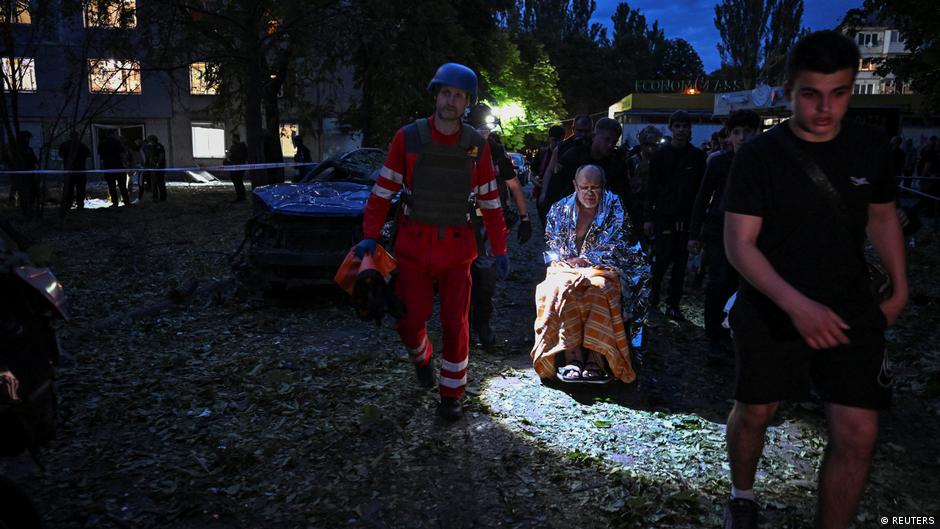
Following a military attack by Russian forces, a section of Zaporizhzhia was left partially without electricity, according to Ivan Fedorov, the head of the regional military administration. This disruption could have serious consequences for household budgets and everyday expenses, as residents face additional costs related to power outages and potential damage.
Impact on Household Economics and Consumer Spending
The power outage caused by the strike affects not only daily convenience but also financial stability for many residents. Without electricity, households may incur extra costs through the use of alternative power sources such as generators, increased phone data usage while mobile networks try to compensate, and potentially spoiled food due to refrigerator failures. These unplanned expenses can strain already tight budgets.
Energy companies are actively working to restore electricity to affected areas. However, uncertainty about the duration of outages keeps residents cautious about their consumption, possibly leading to reduced spending on non-essential items. This shift in consumer behavior can ripple through the local economy, affecting small businesses and service providers dependent on consistent power and foot traffic.
"The partial loss of electricity disrupts not only everyday life but also the economic well-being of families who must adapt quickly to unexpected costs," said a local expert on consumer finance.
Compounding these difficulties are warnings issued by local authorities about potential further attacks using guided aerial bombs and ballistic missiles. Such threats contribute to a climate of uncertainty, discouraging investment and savings as households prioritize immediate needs and safety.
Broader Consequences for Savings and Currency Stability
In addition to immediate costs, these attacks influence broader financial behaviors. Residents may withdraw savings prematurely or convert local currency into more stable foreign currencies as a hedge against instability. This can lead to fluctuations in currency exchange rates and reduce overall financial security for households.
The recent drone attacks on residential areas, which previously resulted in fatalities and injuries, also underscore the heightened risks facing civilians. Alongside physical damage to properties and vehicles, these incidents contribute to emotional stress and financial uncertainty.
For everyday investors and savers in the region, such instability highlights the importance of diversifying assets and maintaining emergency funds to weather unforeseen disruptions. Financial advisors emphasize the need for contingency planning in conflict-affected areas to mitigate the economic impact of infrastructure damage and service interruptions.