US Sanctions Against Cuban State Oil Company Impact Household Energy Costs and Economy
New US sanctions on Cuba’s state oil firm CUPET exacerbate energy shortages, affecting Cuban consumers and everyday investors.
The United States has imposed sanctions on Cuba's state-owned oil and gas company, Union Cuba Petroleo (CUPET), escalating the economic pressure on the island amid a deepening crisis. The move comes as Cuba struggles with fuel shortages and power outages, directly impacting household budgets and daily life for Cuban citizens.
Sanctions Deepen Economic Strain on Cuban Households
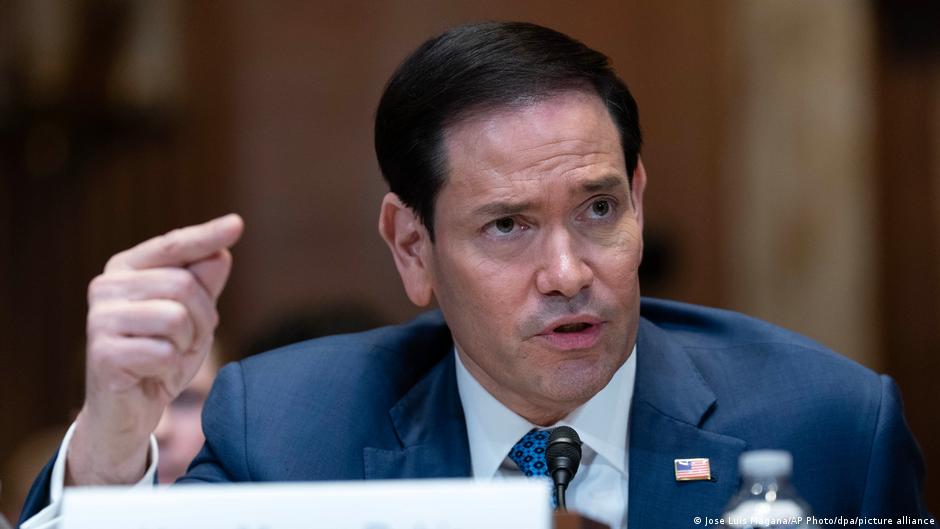
US Secretary of State Marco Rubio announced the sanctions on June 11, citing the communist elite’s use of energy resources as tools for social control and profiteering. The designation bars US persons and entities from conducting business with CUPET, and warns that foreign parties engaging with the company could also face penalties.
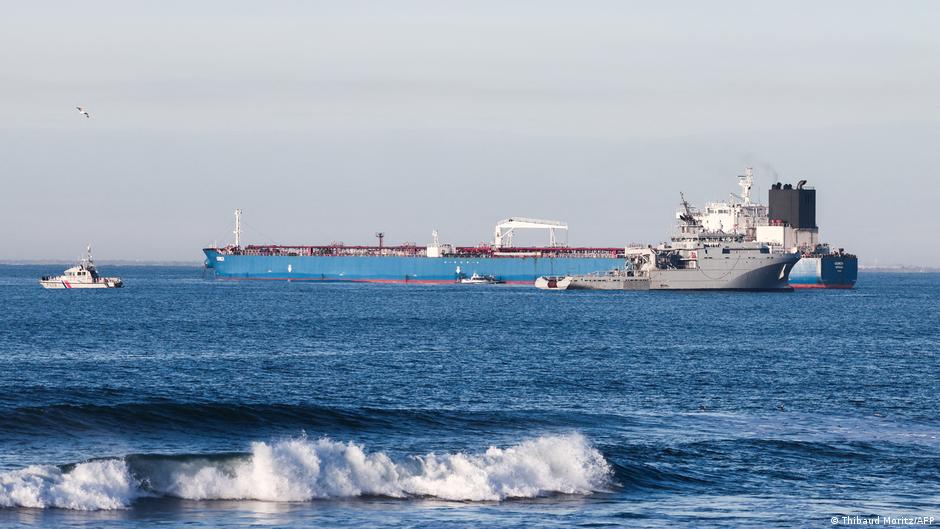
For Cuban households, already coping with widespread electricity rationing and fuel scarcity, these sanctions threaten to worsen access to essential energy supplies. The ripple effects extend beyond Cuba's borders, as international partners reconsider trade and investment in the Cuban energy sector due to the risk of US penalties.
"Until the Cuban people gain greater economic and political freedom, the US will continue targeting the regime's ability to use energy trade for corruption and repression," Rubio stated.
This ongoing economic squeeze undermines Cuban families' ability to manage their budgets, as energy costs rise and shortages disrupt everyday activities, from transportation to food preservation.
Broader Impact on Savings and Currency Stability
The sanctions follow earlier US measures targeting Cuban President Miguel Díaz-Canel and relatives of former leader Raúl Castro, highlighting a comprehensive approach to pressure the Cuban regime. Since Venezuela, a major oil supplier to Cuba, ceased shipments following US actions, Cuba’s energy import options have shrunk dramatically.
The scarcity of fuel and electricity aggravates inflationary pressures, eroding the value of savings for ordinary Cubans. The Cuban peso faces volatility as economic hardship mounts, complicating financial planning for households and investors alike.
For everyday investors and remittance senders, the sanctions and economic downturn pose uncertainties in currency exchange rates and the reliability of local financial institutions. This environment discourages investment and complicates long-term financial decisions for Cuban expatriates supporting families back home.
Geopolitical Context and Future Outlook
The US has incrementally tightened sanctions since 1962, but recent actions reflect heightened tensions under the current administration. Washington’s strategy aims to curtail the Cuban government’s revenue streams derived from energy trade, hoping to incentivize political reforms.
However, for ordinary Cuban consumers, the sanctions translate into more immediate hardships. The lack of fuel impedes transportation and food supply chains, leading to higher prices and scarce goods. Energy rationing affects everything from heating to communications, pressing households to adjust spending and savings habits.
As the economic crisis deepens, Cuban families face tough choices balancing limited income against rising costs, while investors and remittance senders navigate an uncertain financial landscape shaped by geopolitical conflict and sanctions.