Russian Plans to Expand Military Mobilization in 2026 Pose Economic Risks to Households and Investors
Ukraine’s president warns of Russia’s autumn 2026 mobilization and North Korean troop support, raising concerns over economic and currency impacts for Russian families and markets.
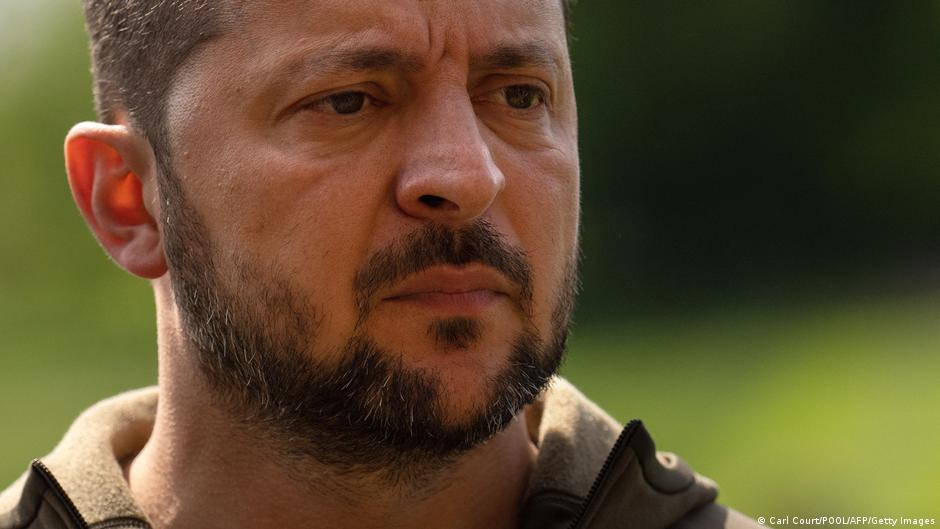
President of Ukraine Volodymyr Zelensky has revealed intelligence indicating that Russia intends to significantly expand its military mobilization efforts in the autumn of 2026. According to Zelensky, this development includes plans to deploy an additional 30,000 soldiers from North Korea to support Russian forces.
While specific details of the expansion remain unclear, Zelensky cautioned that Russian President Vladimir Putin is preparing to conscript new citizens for frontline service, a move that could have broad implications beyond the battlefield.
Economic and Financial Implications for Russian Households and Investors
Military mobilization on such a scale is likely to exert considerable strain on Russian household budgets and the broader economy. Conscription often leads to workforce reductions as eligible individuals are called into service, which can decrease household incomes and increase financial uncertainty for families.
Additionally, the heightened geopolitical tensions associated with expanding military commitments tend to destabilize national currencies and financial markets. For Russian ruble holders and everyday investors, this could translate into increased volatility and depreciation risks, eroding savings and investment returns.
"It is crucial for international partners to apply sufficient pressure on Russia so that thoughts of ending aggression, rather than escalating mobilization, become predominant," Zelensky emphasized.
The mobilization also risks pushing inflation higher as consumer demand shifts and supply chains face disruption. Increased military spending may divert government resources from social and economic programs, potentially reducing social welfare benefits or public investment.
For those with exposure to Russian markets—whether through direct investment, pension funds, or currency holdings—the prospect of further military escalations introduces additional uncertainty. Investors might face capital controls, sanctions repercussions, or market instability, all of which can diminish portfolio value.
Broader Geopolitical Context and Currency Considerations
Ukraine’s president further highlighted cooperation between Russia and North Korea, including the transfer of ballistic missile launchers and military expertise. This partnership not only heightens security risks in Asia but also signals prolonged conflict engagement for Russia, which could sustain economic sanctions and international financial isolation.
Currency markets may react adversely to these developments. The ruble, already under pressure from sanctions and economic constraints, could weaken further as investor confidence declines. Russian households relying on remittances, savings, or income in rubles may see their purchasing power diminish, complicating everyday financial planning.
Moreover, the potential for new rounds of sanctions or restrictions on financial transactions could limit access to foreign currencies and international banking services, further tightening the economic environment for consumers and businesses in Russia.
As the situation evolves, Russian citizens and investors should remain vigilant about the risks posed by military mobilization and geopolitical tensions. Diversifying savings, monitoring exchange rates, and seeking financial advice may help mitigate the impact on personal finances.