Resignation of German Transport Minister Sparks Political Shakeup with Economic Implications
Germany’s transport minister resigns amid internal party tensions, raising concerns over infrastructure plans and economic stability.
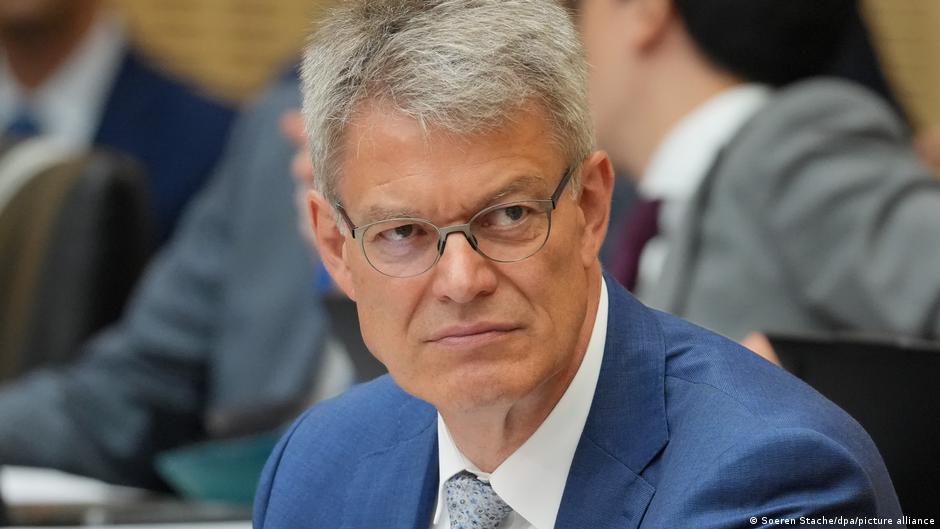
Patrick Schnieder, Germany's Minister of Transport, has announced his resignation, citing recent events that have made effective governance impossible. His departure highlights growing internal tensions within Chancellor Friedrich Merz's administration and could have far-reaching effects on transportation policy, public spending, and economic stability in Germany.
Political Turmoil and Impact on Infrastructure Planning
On July 26, Schnieder informed the Chancellor of his intention to step down, requesting to be relieved from his duties. He expressed a desire to end what he described as an "undignified situation" that had hindered the Ministry's ability to conduct necessary business effectively. Schnieder emphasized the urgency of continuing critical decisions regarding Deutsche Bahn, Germany’s state railway company, underscoring the importance of a swift and clear appointment of his successor.
Chancellor Merz plans to nominate Steffen Bilger, secretary of the CDU/CSU parliamentary group, as the new transport minister. This decision follows Schnieder’s departure and the unexpected withdrawal of Fritz Güntzler, who had initially agreed to take over the role but later declined. The reshuffle comes amid dissatisfaction within the Christian Democratic Union (CDU) about how Merz handled Schnieder’s exit.
"The Ministry of Transport faces important and far-reaching decisions that cannot be delayed," Schnieder said, emphasizing the need for prompt leadership.
Implications for Household Budgets and Investors
The German transport ministry oversees critical infrastructure projects that directly influence public spending and economic growth. Delays or disruptions in leadership could stall investments in transportation networks, especially railway modernization efforts. For households and everyday consumers, this could translate into slower improvements in public transit services and potential increases in transportation costs.
Moreover, uncertainty in government policy can impact investor confidence, affecting currency stability and savings. Infrastructure projects like Deutsche Bahn modernization rely heavily on public funds and financing, and any pause in decision-making risks delays that might lead to cost overruns or postponed benefits.
With Germany being a key economic player in the European Union, internal political instability can reverberate across markets, influencing the euro exchange rate and investment strategies. Consumers should be aware that political developments may indirectly affect inflation and purchasing power through such channels.
Looking Ahead: A Period of Uncertainty
The transport minister's resignation follows a sequence of political upheavals within the CDU, including the recent resignation of party leader Jens Spahn. Analysts suggest that these changes reflect broader challenges facing Chancellor Merz's leadership style and party cohesion.
For German households, the key concern remains how swiftly and effectively the government can stabilize its transport leadership to ensure continued progress on infrastructure projects that underpin economic health and daily convenience.
As Germany navigates this political transition, both consumers and investors should monitor policy developments closely, as the outcomes will have tangible effects on public services and financial markets.