U.S. Bill to Ban Russian Oil Purchases Puts Fuel Costs Back in Focus

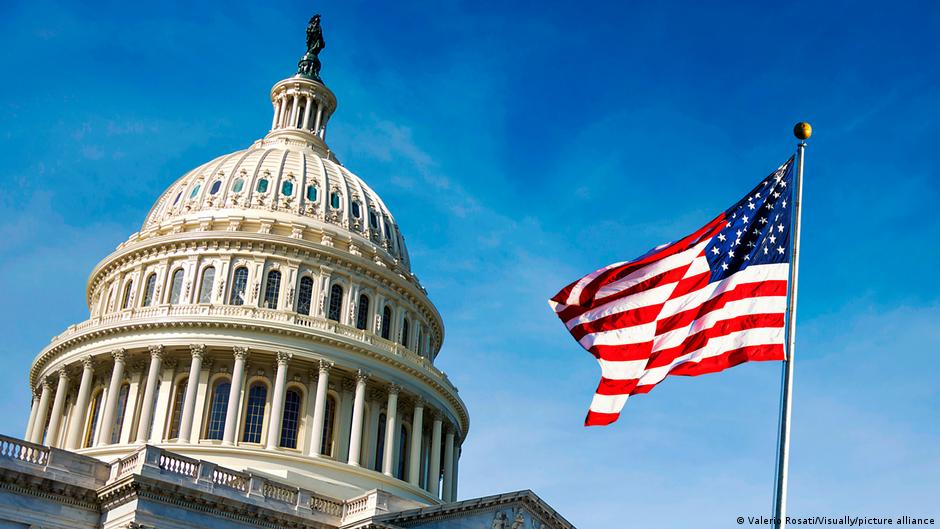
A congressional push to ban Russian oil purchases could affect diesel supply expectations, fuel costs, inflation and energy-linked investments.

A congressional push to ban Russian oil purchases could affect diesel supply expectations, fuel costs, inflation and energy-linked investments.

A BSW lawmaker’s planned Belarus and Russia trips revive debate over local ties, defense spending and the household cost of geopolitical uncertainty.

Brazil’s runoff between Flavio Bolsonaro and Lula da Silva could affect inflation expectations, the real, savings and investor confidence.

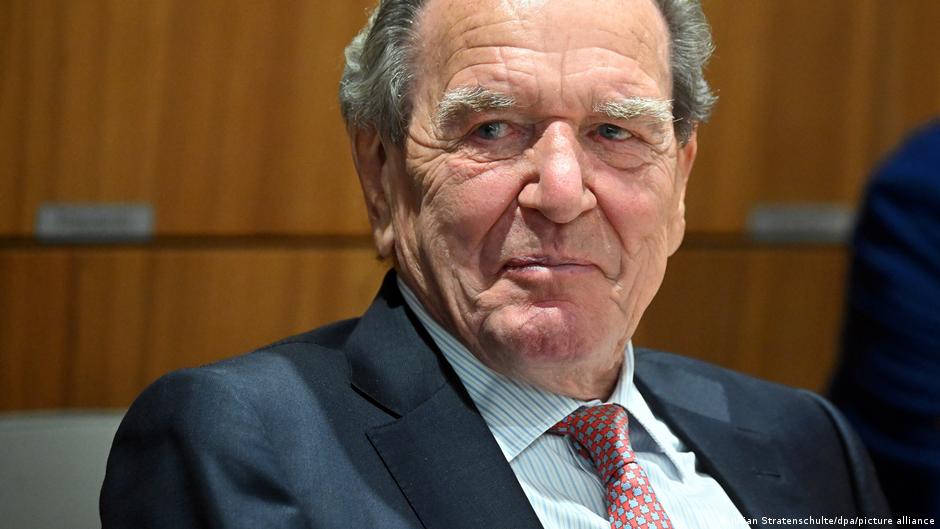
Gerhard Schröder’s new Hyperglobus role has triggered German criticism and fresh concerns over Russian retail risk and household costs.

A Seoul-Kyiv dispute over North Korean prisoners could affect defense expectations, currency sentiment and investor risk in Asia and Europe.

AfD lost three Lower Saxony runoff races as Greens held Hanover and won key cities, shaping local spending priorities that affect households.

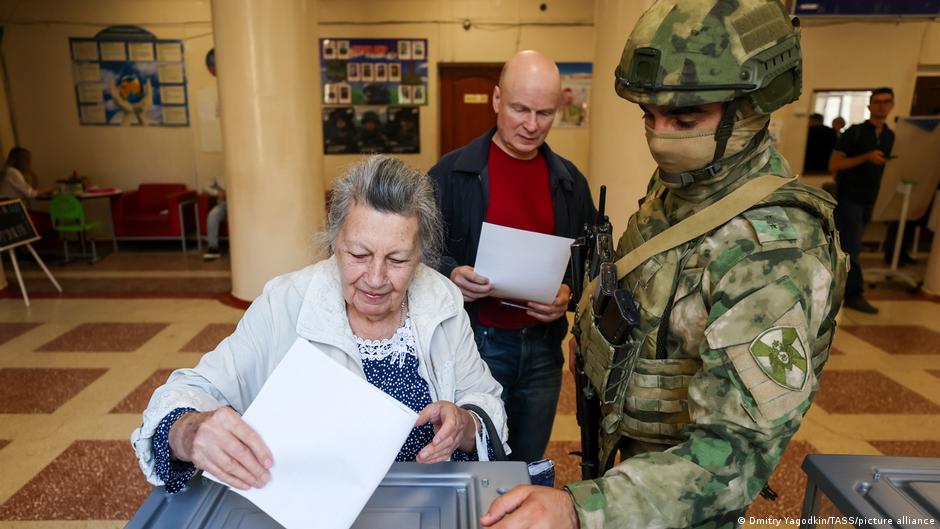
Ukraine sanctioned 44 people tied to Russian Duma voting in occupied territories, adding another layer of financial and currency risk.

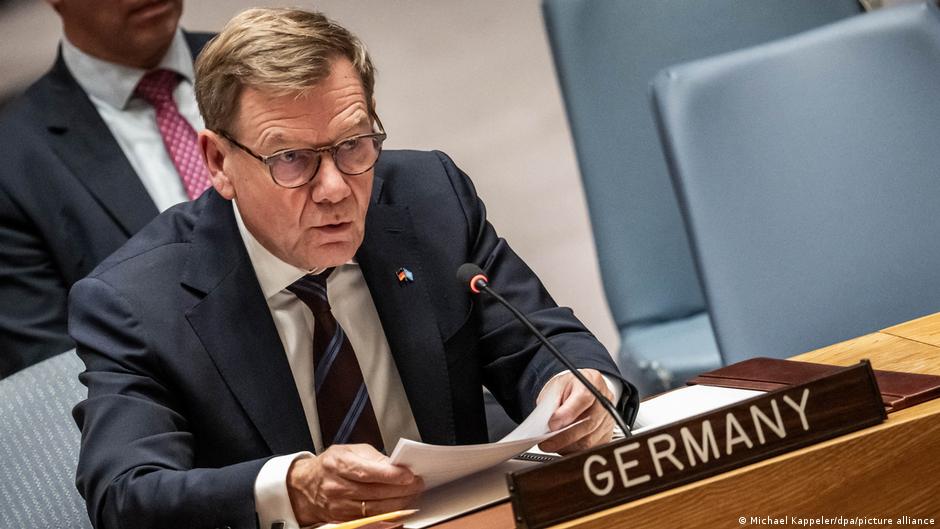
Germany says Putin’s possible G20 attendance should be judged by whether Moscow accepts a ceasefire, with sanctions and market risk in focus.

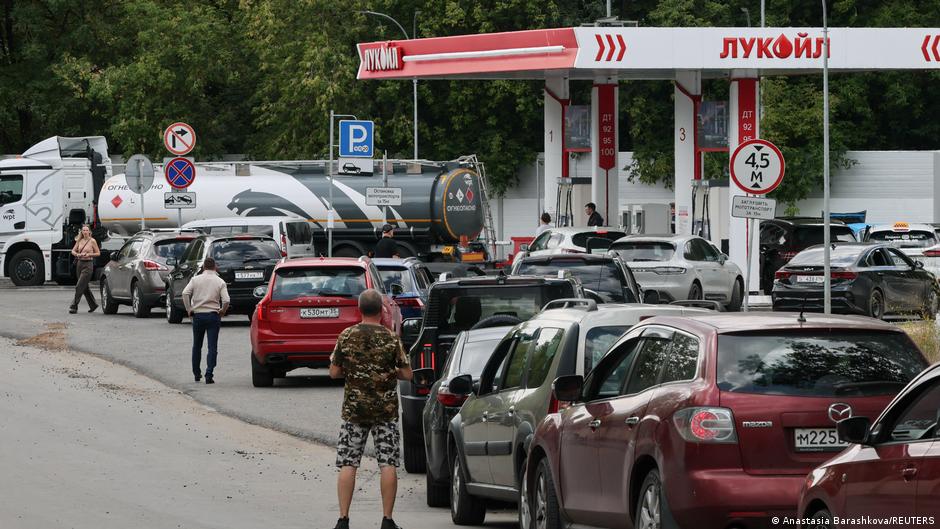
Kaluga and Zabaykalsky Krai are limiting gasoline sales again as refinery disruptions renew pressure on drivers and local budgets.

Yabloko’s 6.2 percent Novgorod result may preserve ballot access, shaping future voter choice and the political backdrop for household finances.

A U.S. strike on a Caribbean boat killed four people, extending a campaign that could affect household budgets through security, fuel and market risks.

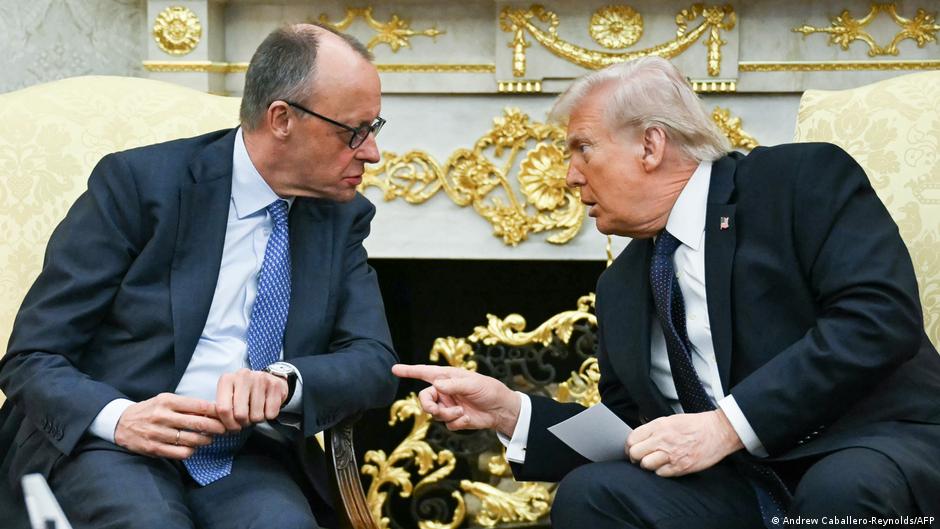
Merz says the old U.S.-German alliance may be over, raising questions for prices, defense spending, currencies and everyday investors.

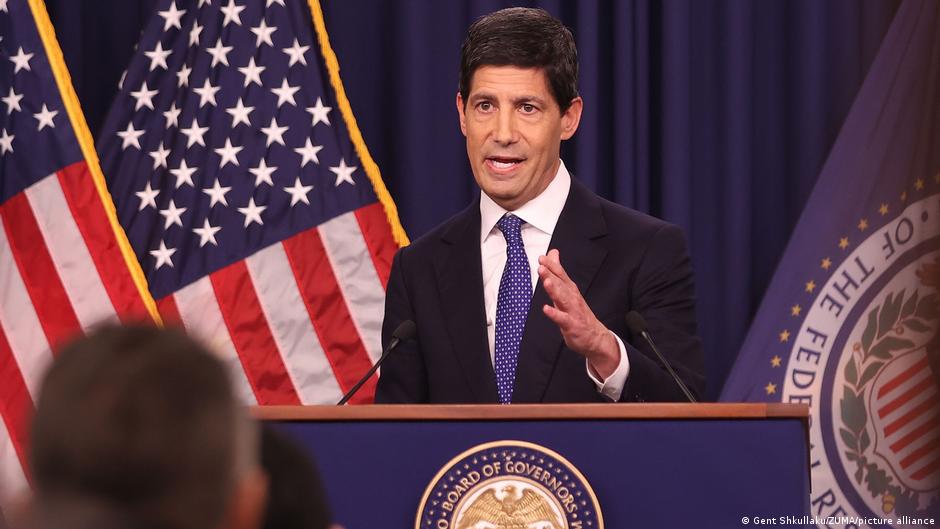
The Fed lifted rates to 3.75-4%, raising borrowing pressure for households while potentially improving returns for savers.

Mass protests across Germany against right-wing extremism add political risk to the outlook for households, savers and everyday investors.

France warned CNews over airtime for expelled ex-RT France editor Ksenia Fedorova, spotlighting regulatory and political risk in media investing.

AfD’s Saxony-Anhalt win drew sharp reactions from Poland and France, adding political uncertainty for European savers, households and investors.

AfD’s Saxony-Anhalt win raises uncertainty over coalition talks, energy policy, sanctions and the economic outlook for households and investors.

Putin says Armenia’s EU accession push would effectively mean quitting the EAEU, raising questions for trade, prices and investor confidence.

Daniel Driscoll’s resignation after a clash with Pete Hegseth adds new uncertainty around Pentagon spending, procurement priorities and defense-sector sentiment.

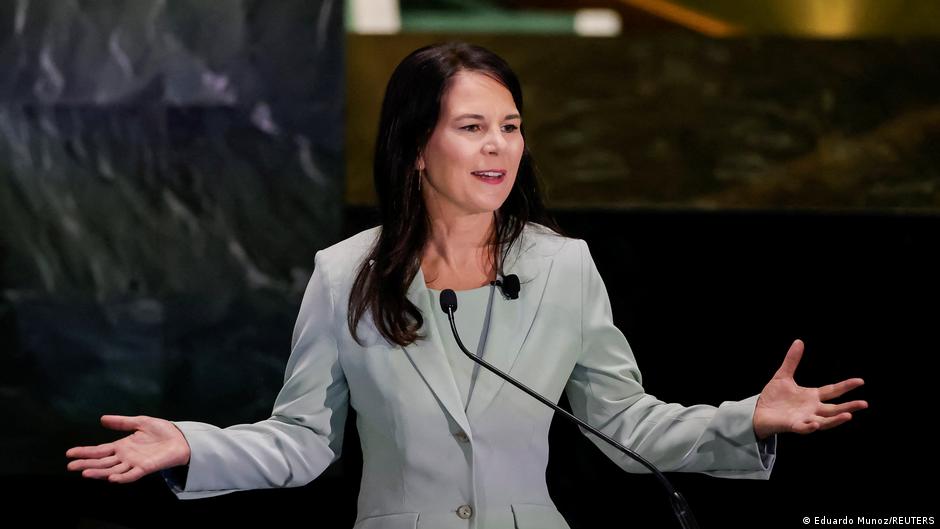
After leading Germany's foreign policy and chairing the UN General Assembly, Annalena Baerbock will join Columbia University as co-director of a public administration program focused on global leadership.

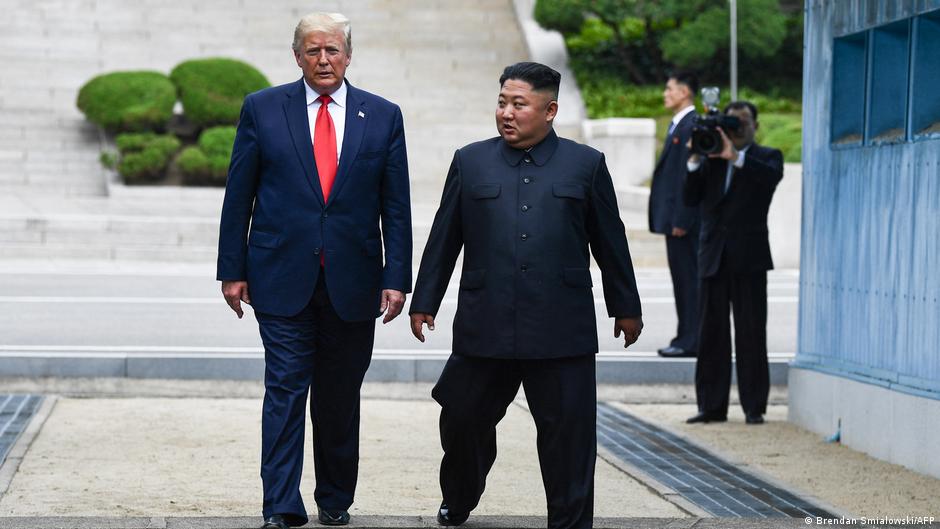
US President Trump plans a fall meeting with North Korean leader Kim Jong Un to revive nuclear talks, with potential impacts on currencies and household finances worldwide.

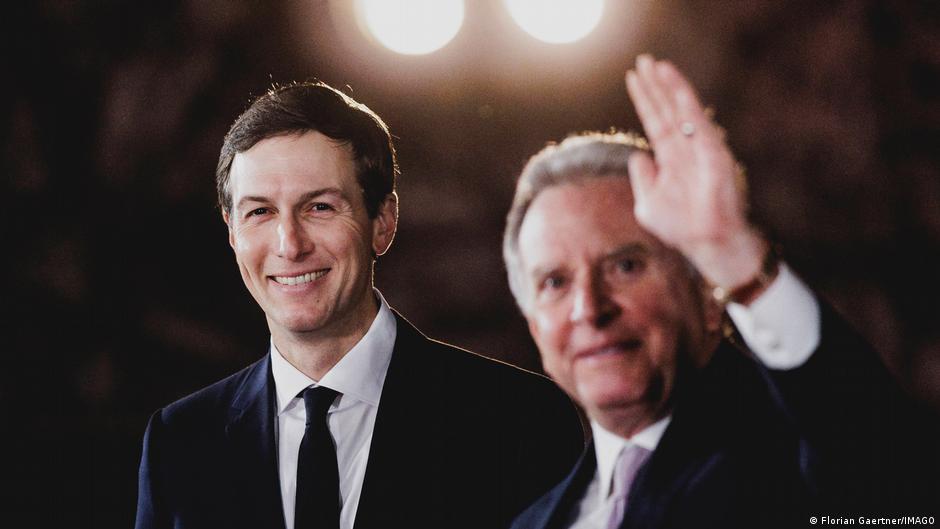
Jared Kushner's talks with Hamas highlight persistent Middle East tensions that could impact currencies, inflation, and household finances worldwide.

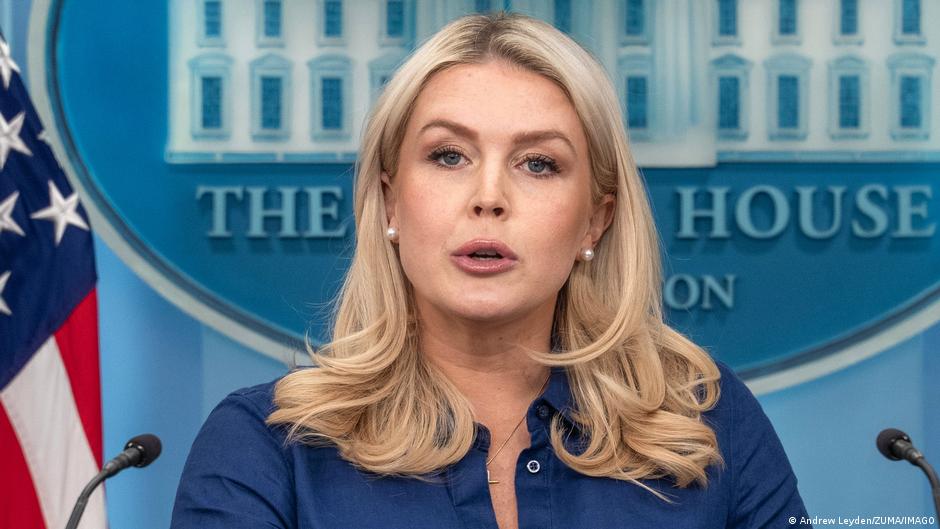
White House Press Secretary Caroline Leavitt resigns to focus on family, highlighting work-life balance challenges impacting household budgets and personal financial decisions.

Russia has declared the US Human Rights Foundation 'undesirable,' limiting independent information that supports household financial planning and investment decisions.

The EU protests Russian missile strikes damaging civilian and diplomatic sites in Ukraine, escalating regional tensions that affect European household budgets, inflation, and currency markets.

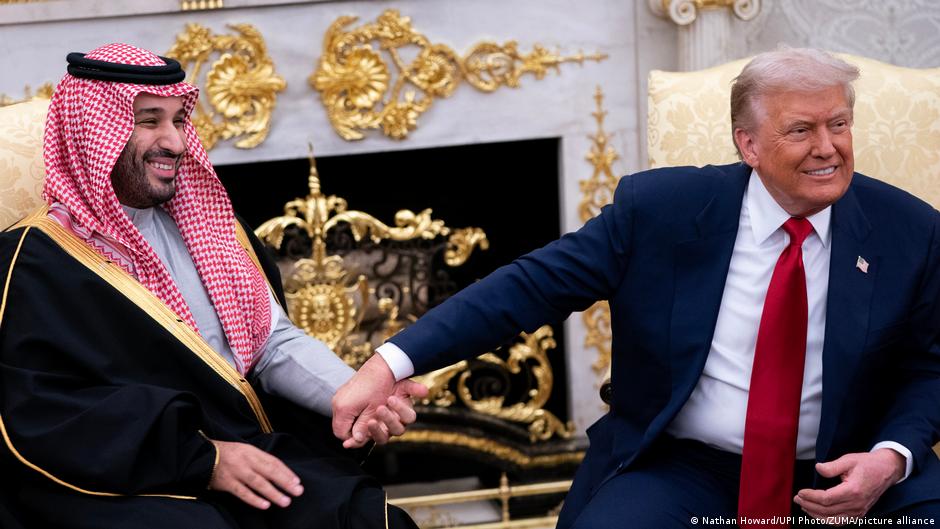
US plans to allow Saudi uranium enrichment could raise oil prices, affect currencies, and impact household budgets and investments worldwide.

The EU recommends cutting €2 million in funding from the Venice Biennale over Russia's participation, raising questions about the use of taxpayer money amid geopolitical tensions.

Renewed US-Iran military strikes and sanctions threaten Strait of Hormuz shipping, risking higher oil prices and increased costs for households and investors worldwide.

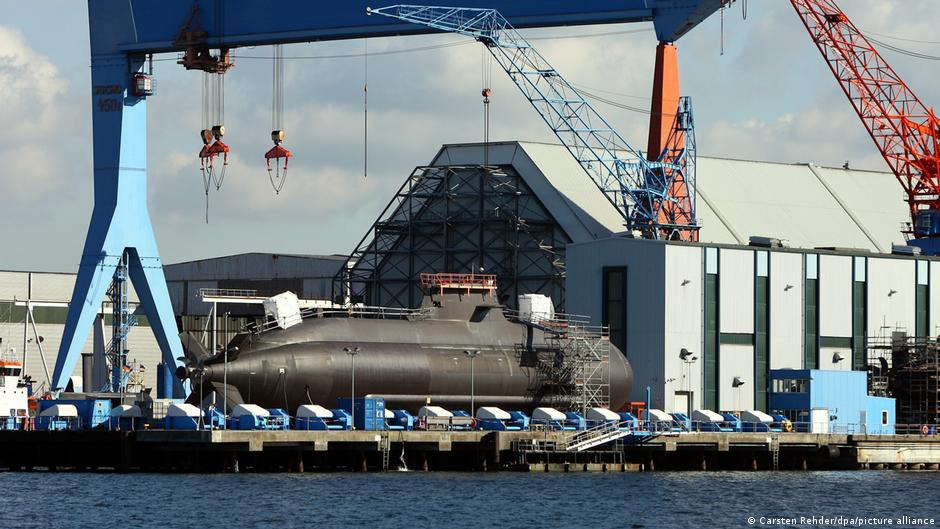
Canada's selection of German TKMS for submarine procurement signals deepening transatlantic ties, with wide-ranging effects on currencies, government budgets, and investors.

Nearly half of Germans oppose banning the far-right AfD party, which leads polls and influences consumer confidence, savings, and household financial strategies.

Yulia Navalnaya receives a European Prize for opposing Russia’s authoritarian regime, highlighting the broader economic and financial impacts on European households.

Communists win Graz municipal elections focusing on housing and economic policies that impact household budgets and consumer finances in Austria's second-largest city.

Belgium granted one-day visas to five Taliban representatives for EU talks on Afghan deportations, highlighting migration policy impacts on households and financial stability.

Germany urges Turkey to exclude Russian gas from future EU contracts, affecting energy prices, household budgets, and currency markets amid evolving geopolitics.

US intelligence warns Israel may disrupt the US-Iran agreement, with implications for regional stability, household budgets, currencies, and investors.

The delay in US-Iran nuclear talks increases market volatility, impacting household budgets, savings, and investor confidence worldwide.

The EU's quiet talks with Russia may pave the way for peace, potentially easing inflation and market volatility that affect European households and investors.

Eduardo Bolsonaro, son of former Brazilian president, sentenced to prison amid political unrest, impacting household finances, currency stability, and investor confidence.

Renewed US-Iran hostilities and the closure of the Strait of Hormuz are driving up oil prices, threatening household budgets and global consumer costs.

US Congress approved $70 billion for immigration enforcement, raising concerns about effects on household budgets, currency, and consumer finances.

The US has expanded sanctions targeting Cuban leaders, worsening the island’s economic crisis and directly impacting household budgets and access to essential goods.

US-Iran talks hinge on nuclear restrictions, with potential impacts on currencies, inflation, and household budgets amid ongoing uncertainty.

Russia's military cooperation with the Taliban could influence global arms flow and economic stability, impacting household budgets and investment markets worldwide.

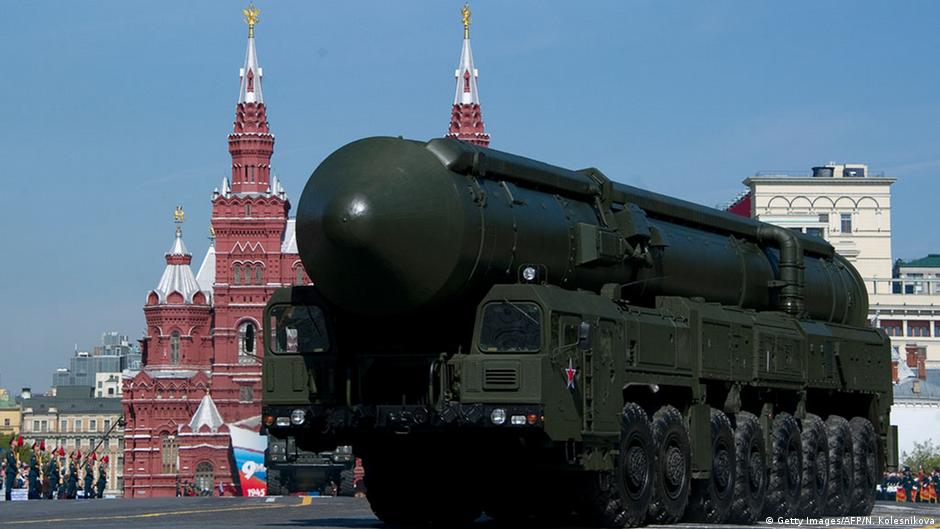
NATO intelligence reveals Russia's secret underwater nuclear missile project which could impact global defense spending, currency stability, and everyday financial risks for consumers and investors.

Western condemnation of Israel’s treatment of Palestinian activists highlights risks to currency stability and household finances amid rising geopolitical tensions.

Moscow's approval of a new German ambassador amid strained ties may impact household budgets, currency stability, and everyday investors in Germany and Russia.

Secret UAE strikes on Iran and Iranian retaliations disrupt Gulf economies, affecting tourism, real estate, and household finances amid rising regional tensions.

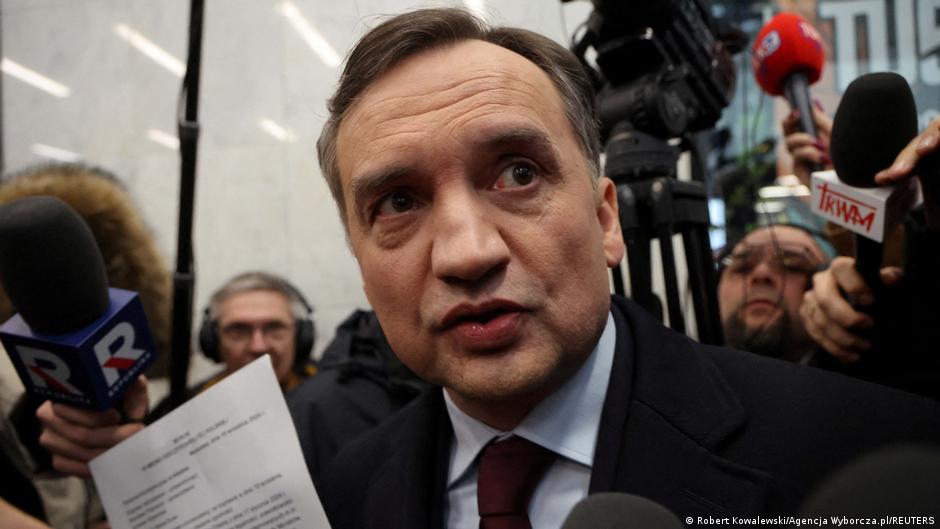
The escape of Poland’s ex-justice minister to the US amid corruption charges highlights risks to currency stability and household financial confidence across Europe.

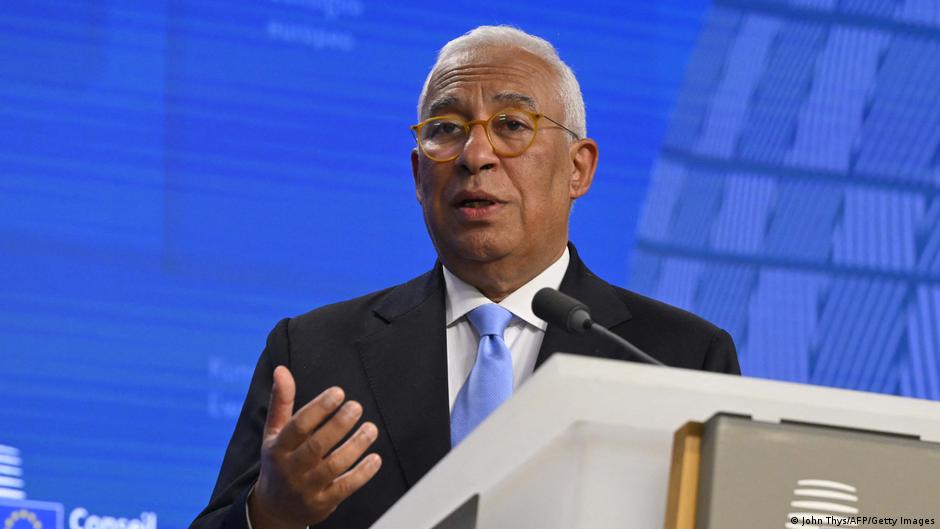
EU leaders prepare for potential talks with Russia, a move that could ease inflation and currency volatility affecting European households and investors.

Activists protested Russia's participation in the Venice Biennale, highlighting political tensions that coincide with economic sanctions impacting Russian household budgets and savings.