Diplomatic Shift Between Germany and Russia Signals Potential Economic and Currency Impact for Households
Appointment of new German ambassador to Russia amid tense relations may influence financial markets and consumer confidence.
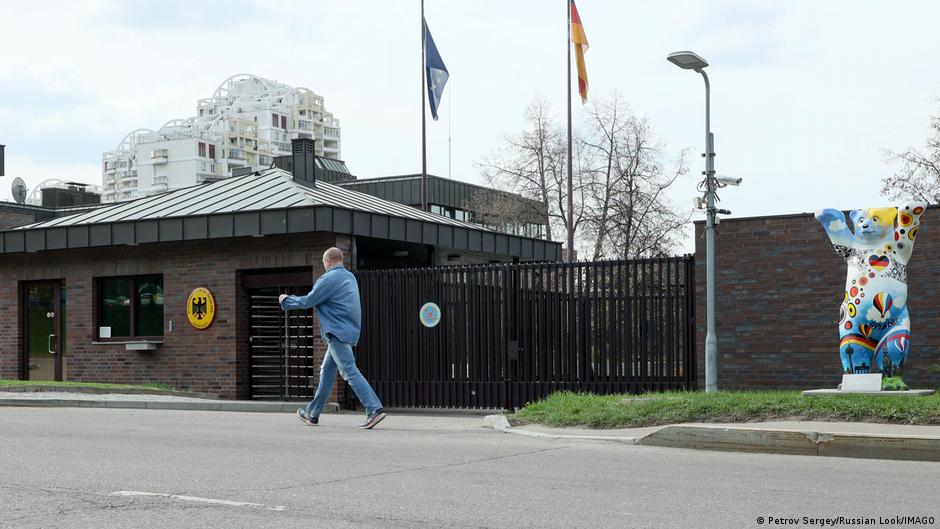
In a significant diplomatic development, Moscow has granted agrément to Clemens von Goetze, slated to replace Alexander Graf Lambsdorff as Germany’s ambassador to Russia. This formal approval, reported on May 18, marks a critical step in reshaping German-Russian relations during a period of geopolitical tension that carries consequences beyond politics—affecting household budgets, savings, and everyday investors.
Diplomatic Changes Amid Strained Relations
Clemens von Goetze, currently leading the German embassy in Mexico City, is scheduled to assume his post in Moscow around July. His extensive experience in foreign policy and security, with past ambassadorial roles in Tel Aviv, Beijing, and Tokyo, positions him well to navigate the complexities of this critical bilateral relationship.
"With rising uncertainties in the geopolitical landscape, changes in diplomatic leadership could reverberate across financial markets and consumer confidence," experts note.
The incumbent ambassador, Alexander Graf Lambsdorff, will transition to a new role as Germany’s ambassador to Israel. His departure follows a period of heightened diplomatic tensions, marked by several confrontations between German and Russian officials over issues such as press freedoms and controversial political meetings.
Impact on Household Budgets and Currencies
The deterioration of German-Russian relations since Russia’s full-scale military invasion of Ukraine has already unsettled economic conditions. Germany, a major trading partner and energy consumer from Russia, has faced rising energy costs that have directly affected household budgets nationwide.
Consumers have experienced increased expenses on heating and electricity, prompting many families to reassess savings priorities to accommodate soaring utility bills. The uncertainty surrounding diplomatic ties adds volatility to the euro-ruble exchange rate, influencing currency markets and foreign exchange investments.
Investors, both institutional and individual, monitoring currency fluctuations may find heightened risks in Russian assets, while German financial markets remain cautious about regional stability. Everyday investors should be aware that geopolitical developments, such as ambassadorial changes, often presage shifts in trade policies and sanctions, potentially impacting portfolio values.
Consumer and Investor Vigilance Advised
Given the interconnectedness of diplomacy and economics, households may encounter indirect effects from these international developments. Inflationary pressures tied to energy prices can erode purchasing power, while currency volatility may affect the cost of imported goods and travel expenses.
Financial advisors recommend maintaining diversified savings and investment strategies to mitigate risks stemming from geopolitical uncertainties. Staying informed about diplomatic trends and their economic implications can empower consumers to better protect their financial well-being.
As Germany and Russia navigate this new diplomatic chapter, the ripple effects will extend into everyday lives—underscoring the critical link between international relations and personal finance.