Western Criticism of Israel’s Handling of Palestinian Activists Raises Concerns for Consumer Confidence and Currency Stability
International backlash against Israeli minister’s video highlights geopolitical tensions impacting household budgets and investor sentiment worldwide.
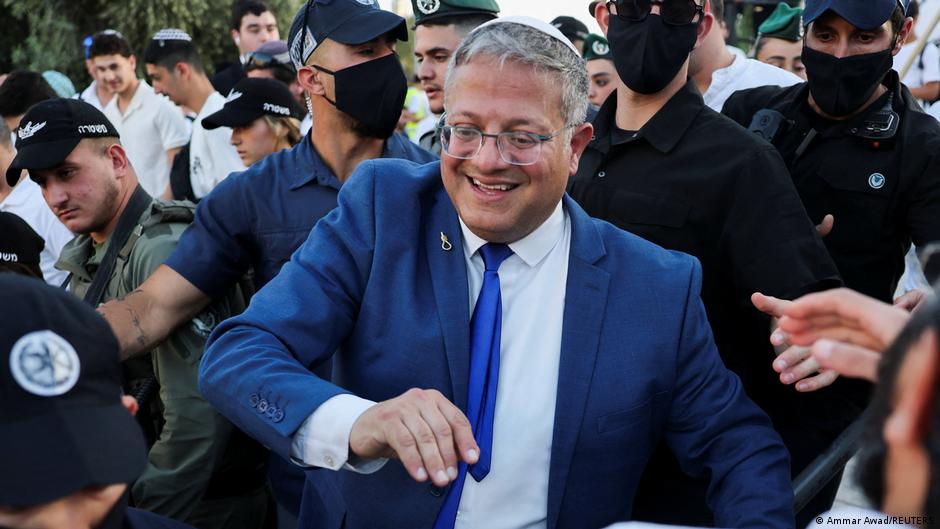
Recent tensions arising from Israel's detention of pro-Palestinian activists have sparked widespread condemnation from Western governments, including the European Union and the United States. The controversy centers on a video posted by Israel’s National Security Minister Itamar Ben-Gvir showing detained activists from the "Sumud" flotilla kneeling with bound hands, accompanied by inflammatory remarks.
Geopolitical Fallout and Economic Implications
The video, which Israeli authorities released on social media, triggered diplomatic protests from several countries, including Italy, France, Canada, the Netherlands, Belgium, Portugal, Spain, Poland, Germany, and the United States. These nations summoned Israeli ambassadors to express strong disapproval and demand respectful treatment of detainees in accordance with international law.
"Each detainee must be treated with dignity and security, strictly following international legal standards," wrote the EU external affairs spokesperson Anuar El-Anuni.
While the immediate issue concerns human rights and diplomatic relations, the ripple effects extend into the global economic sphere. Heightened geopolitical risks often weigh on investor confidence, increasing currency volatility and complicating financial planning for households, especially those exposed to foreign exchange fluctuations or volatile commodity prices influenced by Middle East tensions.
Markets tend to react negatively to escalating conflicts in the region, which can lead to spikes in energy prices and disruptions in supply chains. For everyday consumers, this translates into higher costs for fuel, food, and goods, squeezing household budgets and eroding savings. For investors, uncertainty may prompt shifts away from riskier assets and encourage moves toward safer havens, affecting portfolio returns.
Impact on Currency and Savings
The strained relations between Israel and several Western nations may influence currency markets as investors reassess geopolitical risks. The Israeli shekel could face downward pressure amid diplomatic fallout, while currencies of countries condemning Israel might experience increased volatility depending on trade ties and regional exposure.
For households holding savings in local currencies, such fluctuations pose challenges. Currency depreciation can erode purchasing power, making imported goods more expensive and impacting inflation rates. Moreover, increased market turbulence can reduce yields on investments, complicating long-term financial planning.
Financial advisors often recommend diversification to shield portfolios from geopolitical shocks. Yet, for many everyday investors, especially those with limited resources, such strategies may be difficult to implement effectively. Consequently, socio-political developments like these can have tangible consequences on personal finance management and financial security.
Broader Consumer and Investor Takeaways
Consumers should monitor ongoing geopolitical developments closely, as they may influence inflation trends and cost of living. Budget adjustments to account for potential energy price increases and supply chain disruptions could be necessary.
Investors are advised to evaluate exposure to geopolitical hotspots and consider defensive asset allocation to mitigate risks. Awareness of how international disputes affect currency and commodity markets is essential in managing financial portfolios prudently.
In summary, the diplomatic crisis sparked by Israel’s treatment of Palestinian activists serves as a reminder that geopolitical events can quickly transcend politics and impact everyday financial realities. Vigilance and thoughtful financial planning remain crucial for households and investors navigating an increasingly interconnected global economy.