Escalating US-Iran Conflict Threatens Global Oil Supply and Household Budgets
US airstrikes on Iran prompt Tehran to close Strait of Hormuz, impacting fuel prices and consumer costs worldwide.
The recent escalation of military actions between the United States and Iran is reverberating far beyond geopolitical tensions, directly influencing global energy markets and household finances around the world.
Impact of Strait of Hormuz Closure on Energy Prices and Consumers
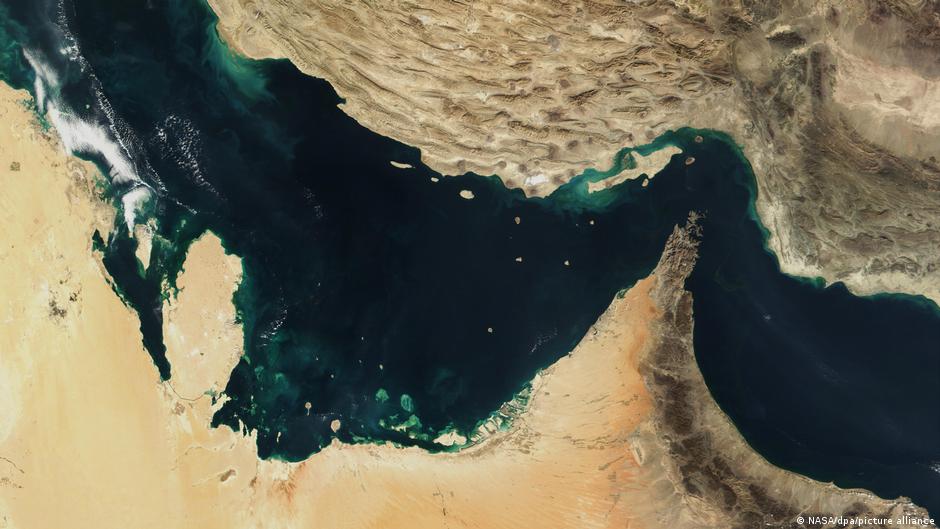
On June 10, the US military resumed airstrikes targeting locations inside Iran, citing ongoing Iranian aggression. In retaliation, Iran launched attacks on American military bases in the Persian Gulf region and Jordan, including ballistic missile strikes. Most notably, Iranian military leaders declared a full closure of the Strait of Hormuz, a critical maritime chokepoint through which approximately 20% of the world’s petroleum passes daily.
The Iranian announcement warned that any vessel attempting to transit the Strait would be subject to attack, escalating fears of significant disruption to global oil flows. While the US Central Command later denied the closure was absolute, confirming commercial ships continue to pass, the threat alone has already provoked volatility in the oil markets.
“The closure of the Strait of Hormuz represents a serious risk to energy supplies, with immediate consequences for fuel prices and household expenses worldwide.”
For everyday consumers, this development means higher costs at the pump and increased prices for goods reliant on oil-based transportation. Household budgets that are already stretched may face additional strain as energy and transportation costs rise.
Broader Financial Consequences for Savings and Currency Stability
Beyond direct consumer prices, the conflict's ripple effects extend to currency markets and personal investments. In emerging markets dependent on oil imports, currency depreciation pressures increase as fuel becomes more expensive, further squeezing household purchasing power.
Moreover, investors with exposure to energy stocks or global commodity funds may experience heightened volatility. The uncertainty surrounding supply routes like the Strait of Hormuz injects risk premiums into energy prices, influencing investment returns and retirement savings.
Financial advisors warn that consumers should prepare for potential increases in living costs by reviewing budgets and emergency funds, and considering diversified investment strategies to mitigate geopolitical risks.
As the situation develops, the interplay between military actions and economic consequences underscores the interconnectedness of global politics and personal finance, highlighting the importance of staying informed and proactive in managing household finances during times of international uncertainty.