Germany Seeks Access to Ukraine’s Advanced Drone Technologies Amid Defense Cooperation Talks
Bavarian CSU leader urges intergovernmental deal for technology transfer to bolster German military capabilities.
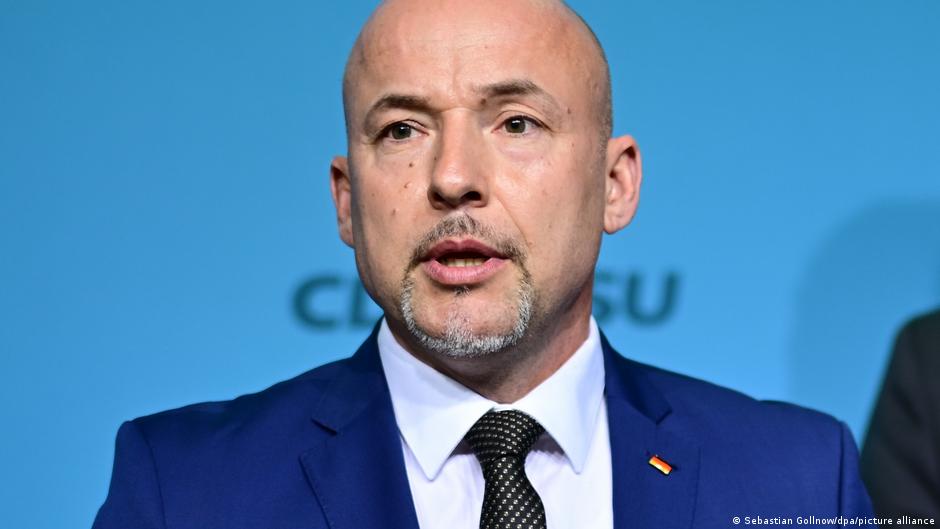
Germany is pushing for access to Ukraine’s latest combat drone technologies as part of a strategic partnership to enhance its defense capabilities. Alexander Hoffmann, head of the Bavarian Christian Social Union (CSU) parliamentary group in the Bundestag, called for an intergovernmental agreement that would allow Germany to acquire Kyiv’s cutting-edge unmanned aerial vehicle (UAV) innovations.
Implications for Defense and Consumer Budgets
Hoffmann stressed that this technology transfer would not only serve military interests but also reflects a broader expectation of reciprocal benefits for Germany’s continued support to Ukraine. “We believe Ukraine should provide dividends for the support it receives,” Hoffmann said. Germany has committed significant financial and material aid to Ukraine amid ongoing conflicts, and integrating Ukrainian drone technology could help reduce future defense spending by accelerating domestic production capabilities.
From a personal finance perspective, this initiative could have mixed impacts on household budgets and everyday investors. On one side, enhancing Germany's defense industry with advanced Ukrainian technology may stimulate economic growth and job creation in high-tech sectors, potentially boosting investor confidence in defense stocks. On the other, increased defense spending and commitments could necessitate higher government expenditures, which might be offset by tighter fiscal policies or adjustments in public spending priorities.
“We want to oblige Ukraine to share this expertise so that together we can become stronger,” Hoffmann stated, highlighting the strategic importance of the technology transfer.
The CSU is part of Germany’s ruling coalition alongside the Christian Democratic Union (CDU) and the Social Democratic Party (SPD), underscoring the political weight behind these calls. Hoffmann emphasized that Ukraine’s advancements in drones, anti-UAV defense, and cruise missile technologies represent "truly outstanding capabilities" that Germany must integrate to maintain and elevate its defense posture.
For households, the broader geopolitical and defense cooperation could influence currency stability and inflation rates in the medium term. Increased government defense spending may lead to shifts in fiscal policy, which could affect the euro’s strength and purchasing power domestically. Additionally, everyday investors might find new opportunities in defense technology firms benefiting from international collaborations and production scale-ups triggered by such agreements.
As Hoffmann noted, Germany needs the capacity to rapidly scale up drone production if necessary, which could translate into increased contracts and investments in the country’s defense manufacturing sector. This could spur innovation, create skilled jobs, and attract investor interest, but also requires upfront capital and resource allocation that may influence economic priorities.
Ultimately, the proposed intergovernmental agreement aims to create a mutually beneficial relationship where Ukraine shares its UAV technological expertise in exchange for continued German support, strengthening both nations’ defense and economic resilience.