Flight of Polish Ex-Minister to the US Highlights Risks to Household Currency Stability and Investor Confidence
The escape of a Polish ex-minister from Hungary to the US amid legal troubles signals potential impacts on currency trust and savings security for everyday investors.
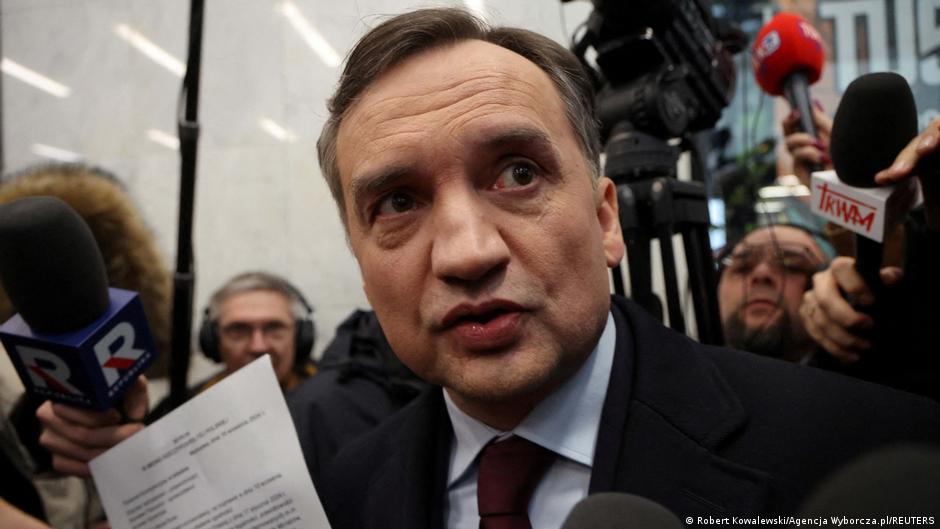
The recent flight of Zbigniew Ziobro, former Polish Minister of Justice, from Hungary to the United States has sparked concerns not only on a political level but also among consumers and everyday investors across Europe. Ziobro, wanted in Poland on multiple criminal charges including corruption and misuse of power, left Hungary—where he had found refuge under former Prime Minister Viktor Orbán—and arrived in the US on May 9, reportedly on a journalist visa.
Implications for Household Budgets and Currency Confidence
This high-profile case underscores the complex interplay between politics and economics that can directly affect household finances and investor sentiment. Poland, like many emerging European economies, relies on stable governance to maintain confidence in its currency and financial markets. Legal and political instability, exemplified by the flight of senior officials facing corruption allegations, can erode public trust in institutions and the national currency.
Polish authorities have stated that Ziobro’s passport was confiscated, raising questions about how he managed to cross international borders. Speculation that he obtained refugee travel documents in Hungary adds to concerns about administrative oversight and the potential for political actors to evade justice. For everyday consumers, such developments fuel uncertainty about the government’s ability to enforce rule of law, which is a key factor in economic stability.
"If they (Polish authorities) want to start extradition proceedings—please," Ziobro said, acknowledging the complexity of the US legal process.
With Ziobro’s party closely aligned with the MAGA movement in the United States, and reports suggesting that former President Donald Trump personally approved his visa, the case illustrates how transnational political ties can affect legal and financial outcomes. For household investors, who often base decisions on political stability, this dynamic may translate into greater caution about investing in affected markets.
Furthermore, allegations that funds from a special compensation fund for crime victims were misappropriated to purchase surveillance software raise additional red flags about governance and transparency. Misuse of public funds not only undermines trust but can also have direct financial repercussions on government budgets, potentially leading to austerity measures or reduced social spending that impact everyday households.
Broader Regional and Consumer Effects
The change in Hungary’s political leadership—with new Prime Minister Péter Madar pledging to cease granting asylum to foreign officials fleeing justice—signals a possible shift that could restore some confidence. However, the case also highlights the risks faced by citizens in countries where political turmoil leads to weakened institutions and unpredictability in economic policy.
For consumers and small investors across the region, such political uncertainties can affect currency exchange rates, inflation expectations, and savings security. A loss of investor confidence may lead to capital flight, currency devaluation, and increased borrowing costs, all of which erode purchasing power and savings value. Households may feel the pinch through higher prices and reduced availability of credit.
In summary, the flight of a high-ranking Polish politician with corruption allegations to the US via Hungary is more than a legal drama; it is a reminder of how political instability and governance failures ripple through economies, compromising financial stability and consumer confidence. Everyday investors and households should remain vigilant, as these systemic risks can impact their budgets, savings, and investment portfolios.