Latvia’s Defense Minister Resigns After Drone Incident Raising Security Concerns
The resignation follows unauthorized drone incursions into Latvian airspace, highlighting risks for regional security and potential economic impacts on households.
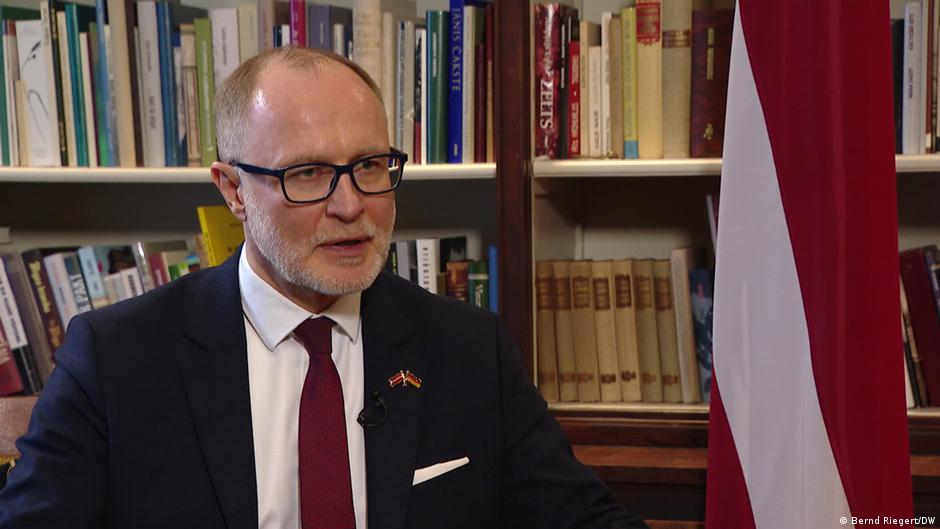
Latvia’s Minister of Defense, Andris Spruds, has resigned following a controversial incident involving two drones that violated the country’s airspace. The drones, believed to have originated from Ukraine and aimed at targets in Russia, entered Latvian territory unexpectedly, sparking security concerns and political repercussions.
The incident occurred on the night of May 7, when two unmanned aerial vehicles (UAVs) were detected crossing into Latvian airspace near the border with Russia. One drone crashed on the premises of a refinery in Rēzekne, raising alarms about potential threats to critical infrastructure.
Implications for National Security and Household Economies
Minister Spruds announced his decision to resign to protect the Latvian military from becoming entangled in political disputes, emphasizing that "unauthorized drones must not threaten public safety." His departure followed Prime Minister Evika Siliņa’s loss of confidence in his leadership, citing the military's failure to ensure airspace safety as a key factor.
While this event is primarily a security issue, it also holds significant implications for personal finance and household stability in Latvia and the surrounding region. The breach of airspace near vital infrastructure like oil refineries can disrupt energy supplies and fuel prices, directly impacting consumer costs and inflation.
Latvia, like many Baltic states, relies on stable energy imports and infrastructure to maintain affordable household utility bills. Unexpected interruptions or perceived vulnerabilities can lead to market uncertainty, causing fluctuations in the Latvian lats currency and increasing the cost of living for everyday citizens.
"Post-incident, households may face higher energy prices as markets react to perceived risks, tightening budgets and savings," explains regional economic analysts.
Moreover, the incident underscores risks to investments, as foreign and domestic investors may reassess the geopolitical stability of the Baltic region. This could affect stock markets, pensions, and retirement savings tied to regional economic performance.
Ukraine, now in its fifth year of full-scale defense against Russian aggression, has increasingly used drones to target military and energy infrastructure in Russia. However, several of these UAVs have inadvertently crossed into neighboring countries’ airspace, prompting calls from Estonia’s defense minister for Ukraine to improve drone control measures.
For households and individual investors, these geopolitical developments highlight the importance of diversification and awareness of regional risks. Fluctuations in currency exchange rates, energy costs, and security outlook can directly influence disposable income, savings, and investment portfolios.
As investigations into the drone incident continue, Latvian authorities and their neighbors are likely to bolster airspace security to prevent future breaches. Meanwhile, consumers and investors should stay informed about potential economic ripple effects stemming from these security challenges.