Russia Declares US Human Rights Foundation 'Undesirable,' Impacting Financial Transparency
Russia’s ban on the Human Rights Foundation may affect information flow and financial clarity for households and investors.
On August 6, 2024, Russia’s General Prosecutor's Office officially declared the American nonprofit Human Rights Foundation (HRF) an "undesirable" organization within Russian territory. This move has significant implications beyond politics, potentially affecting household financial planning, savings, and the transparency of information needed by everyday investors.
What Does the Ban Mean for Households and Investors?
The HRF, founded in 2005, is known for promoting and protecting human rights globally. Its recent project, Tyranny Tracker, is an interactive map that rates countries based on their adherence to democratic values. Russia was marked as fully authoritarian, a designation that contributed to the foundation's blacklisting by authorities.
For average Russian households and investors, this designation could limit access to independent data and analyses about the political and economic climate. The HRF also disseminates information that challenges official narratives, including reports that the Russian prosecutor's office claims "discredit" the Russian military. Cutting off such sources restricts the diversity of information available to consumers and investors, potentially increasing uncertainty in financial decision-making.
"The designation of HRF as 'undesirable' narrows the landscape of accessible independent information, which is vital for informed financial choices," experts note.
Many consumers rely on diverse information sources for assessing risks that affect currency stability, inflation, and market confidence. The closure of channels like HRF's projects constrains this ecosystem, which could unsettle personal savings and investment strategies.
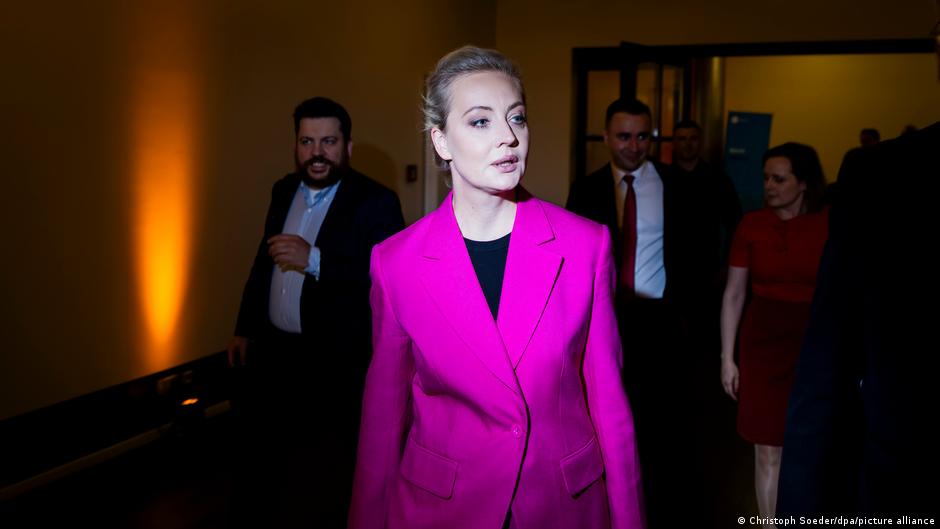
In 2024, HRF's leadership passed to Yulia Navalnaya, a prominent figure known for her advocacy and connection to opposition movements. Previously, the organization was chaired by former world chess champion and opposition activist Garry Kasparov. The foundation’s growing visibility and critical perspective on Russia’s governance have likely intensified governmental scrutiny, triggering the ban.
This development is part of a broader governmental trend to restrict foreign NGOs and independent watchdogs, which may have ripple effects on financial transparency and the flow of uncensored information—elements increasingly relevant for household budget management and investment decisions.
As the political environment tightens, Russian households and investors face increasing challenges in accessing reliable, non-governmental analyses that help anticipate economic shifts. This could lead to greater volatility in currency markets and reduce confidence in financial systems, thereby impacting everyday financial well-being.