NATO Intelligence Suggests Russia Developing Underwater Nuclear Missile Systems
Emerging Russian underwater missile projects could impact defense spending and geopolitical currency risks for households and investors.
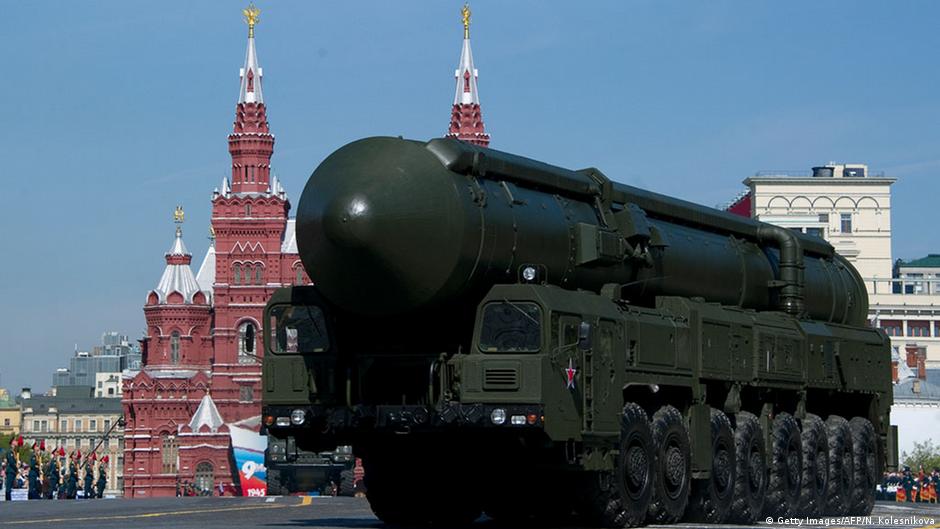
NATO intelligence has detected activities by Russia's Northern Fleet suggesting efforts to deploy nuclear-capable ballistic missiles on the seabed, according to an investigation reported by German broadcasters ARD, WDR, and NDR. This secretive military project, codenamed "Skif," could have significant implications not only for global security but also for personal finance aspects such as household budgets, savings, and currency stability.
Potential Economic and Consumer Impacts of Russia’s Underwater Missile Deployment
The project reportedly involves a modified version of the "Sineva" missile, adapted for seabed launch with a range of several thousand kilometers. These missiles could be virtually undetectable and stationed in specially constructed shafts or containers hundreds of meters underwater, potentially allowing Russia to maintain nuclear deterrence at reduced costs. This development could influence global defense dynamics, prompting increased military spending and geopolitical tensions, which in turn can affect everyday consumers and investors worldwide.
"Deploying missiles on the seabed could allow Russia to lower its dependence on costly submarines and sustain nuclear deterrence with less expenditure," explained Helge Adrians, an expert from the Berlin-based Science and Politics Foundation.
From a personal finance perspective, rising geopolitical risks often prompt volatility in currency markets and can lead to inflationary pressures due to increased defense budgets and disruptions in global trade. For households, this can translate into higher prices for goods and services and uncertainty in savings value, especially in countries closely tied to the affected economies. Moreover, investors may face heightened market instability and a reassessment of risk in portfolios exposed to sectors sensitive to geopolitical developments.
Analysts also highlight technical challenges associated with the project, including maritime environmental factors like ocean currents and sediment buildup, as well as requirements for energy supply and data transmission to the missile sites. Despite these hurdles, the project underscores Russia's strategic efforts to innovate its nuclear capabilities at potentially lower operational costs compared to traditional submarine platforms.
Notably, the 1971 treaty banning nuclear weapons deployment on the seabed only applies to international waters, leaving room for these systems to be legally stationed in a country’s territorial waters. This legal nuance may accelerate arms development while complicating diplomatic efforts to limit nuclear proliferation.
While Russian and NATO officials have not publicly commented on the "Skif" project, the information underscores the interconnectedness of geopolitical military developments and daily financial realities for consumers and investors. Heightened defense initiatives frequently lead to currency fluctuations and altered investment climates, emphasizing the need for household financial resilience and diversified portfolios in an uncertain global environment.