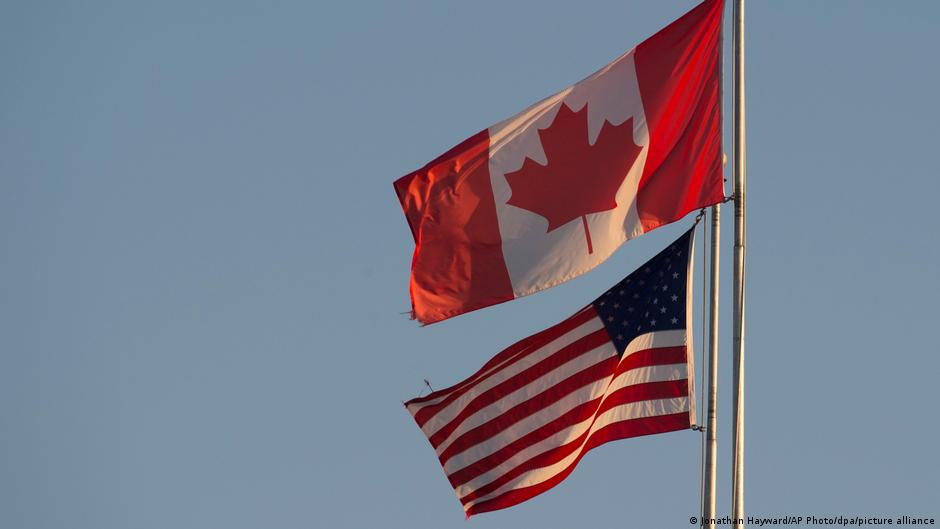
Merz Says Era of Unconditional U.S.-German Friendship May Be Over
The German chancellor framed a colder relationship with Washington as both a political rupture and a test for household finances, trade and savings.
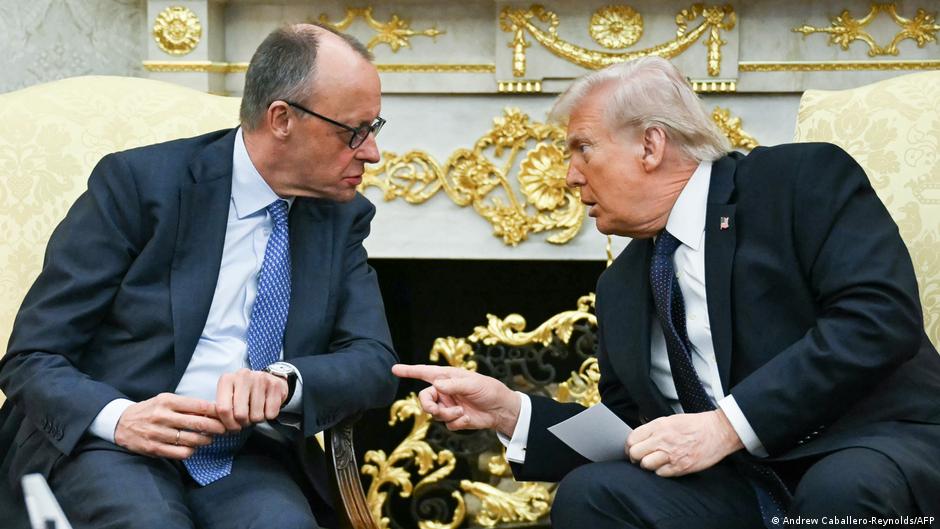
German Chancellor Friedrich Merz has said the era of “unconditional transatlantic friendship” is likely to be over for a long time, describing a sharp deterioration in relations between Berlin and Washington under U.S. President Donald Trump. For households, savers and small investors, the warning matters because the dispute is not only diplomatic. It touches trade, defense spending, shipping routes, sanctions, energy security and the outlook for Europe’s largest economy.
Speaking at a campaign event of the Christian Democratic Union in Berlin on Thursday, September 17, Merz said Germany was witnessing a change in political attitudes and in the U.S. assessment of the transatlantic alliance that Berlin “perhaps could not have imagined.” His remarks came against the backdrop of worsening ties with Trump over disagreements related to the U.S. and Israeli war against Iran, as well as trade wars launched by the White House.
“We are observing on the other side of the Atlantic a change in political approaches and in the assessment of the transatlantic alliance that we perhaps could not have imagined,” Merz said, according to dpa.
At the start of Trump’s second presidential term, the U.S. president had treated Merz favorably. Relations worsened after Merz declined to support the United States in the war with Iran. Trump then began criticizing German authorities, including by attributing false statements to Merz.
For consumers, this kind of political breakdown can quickly become a budget issue. Trade wars tend to raise uncertainty for importers, exporters and retailers. If tariffs or retaliatory measures spread across sectors, households can face higher prices on goods with international supply chains. German families may also feel the impact through jobs tied to manufacturing and exports, while U.S. consumers and investors can see the effects through currency volatility, market swings and higher costs for imported European products.
Why the dispute matters for household finances
Merz’s comments point to a broader question for everyday investors: whether Germany and Europe will need to spend more of their own money on security and economic resilience if the United States becomes a less predictable partner. The chancellor said tensions between Europe, including Germany, and the United States also create opportunities that should not be missed. Germany, he argued, must use the moment to take more responsibility for its own security and development.
He pointed in particular to the federal government’s significant increase in defense spending. That shift can affect public finances and household budgets in several ways. More defense outlays may support contractors, industrial suppliers and high-skilled jobs, but they also compete with other budget priorities. Over time, taxpayers and voters may have to weigh security spending against pensions, infrastructure, social programs and tax relief.
Merz also said he sees signs of economic recovery in Germany after several years of stagnation. According to forecasts he cited, Germany’s economy is expected to grow by about 1.3 percent in 2026. “We have emerged from this valley of a shrinking or stagnating economy,” the chancellor said, while adding that the country still needs reforms.
That forecast is central for personal finance planning. A return to growth could help wages, employment and business confidence, while supporting European equities and retirement portfolios exposed to German companies. But the recovery described by Merz remains modest, and his own call for reforms signals that the pressure on Germany’s economic model has not disappeared. Consumers may see a mixed picture: better growth prospects on one side, and continued uncertainty around trade, defense budgets and geopolitical shocks on the other.
Politics, currencies and market nerves
The political strain has also been sharpened by Trump’s public praise for the far-right Alternative for Germany after its victory in state elections in Saxony-Anhalt earlier in September. That praise was another gesture of support from Washington for German right-wing populists and had already drawn criticism in Berlin.
Metin Hakverdi, the German government’s coordinator for transatlantic cooperation, responded sharply. “Germans are capable of deciding the migration issue themselves, as well as whom we elect,” he said. “We do not need advice from the White House on this.”
For investors, such tensions can matter because political risk often feeds into currency and bond markets. A more unsettled relationship between Washington and Berlin may affect expectations for European defense policy, trade policy and sanctions. Those expectations can influence the euro, German government bonds, European stocks and global funds held in retirement accounts. Even investors who do not trade currencies directly may have exposure through international mutual funds, exchange-traded funds and pension portfolios.
Later the same day, German government spokesperson Stefan Kornelius said Merz and Trump had held a phone call that Berlin had previously postponed. According to Kornelius, Merz discussed with Trump the “next steps toward ending” Russia’s war against Ukraine, welcomed the U.S. Congress’s adoption of a sanctions package against Russia initiated by Senator Lindsey Graham, and addressed shipping problems in the Strait of Hormuz and the Red Sea caused by the war in Iran.
Those shipping issues are directly relevant to household costs. Disruption in the Strait of Hormuz or the Red Sea can affect energy flows, freight prices and delivery times. If transport costs rise, companies may pass some of those expenses on to consumers. That risk is especially important for fuel, imported goods and products with components moving through global supply routes.
Merz also recalled the September 11, 2001, terrorist attacks, whose anniversary had been the original occasion for the planned call between the two leaders. Berlin had postponed the conversation one day before it was scheduled, without giving reasons.
The chancellor’s central message was that Germany can no longer assume the old transatlantic relationship will function automatically. For households and everyday investors, the practical lesson is to watch the financial channels behind the politics: trade costs, defense spending, sanctions, shipping routes, currencies and the pace of Germany’s recovery. Merz is presenting the rupture as a chance for Germany to take more responsibility. Whether that becomes a stronger economy or a heavier burden on consumers will depend on how those choices show up in prices, wages, taxes and savings returns.