Novorossiysk Drone Attack Raises Fresh Risks for Fuel, Food and Port Costs
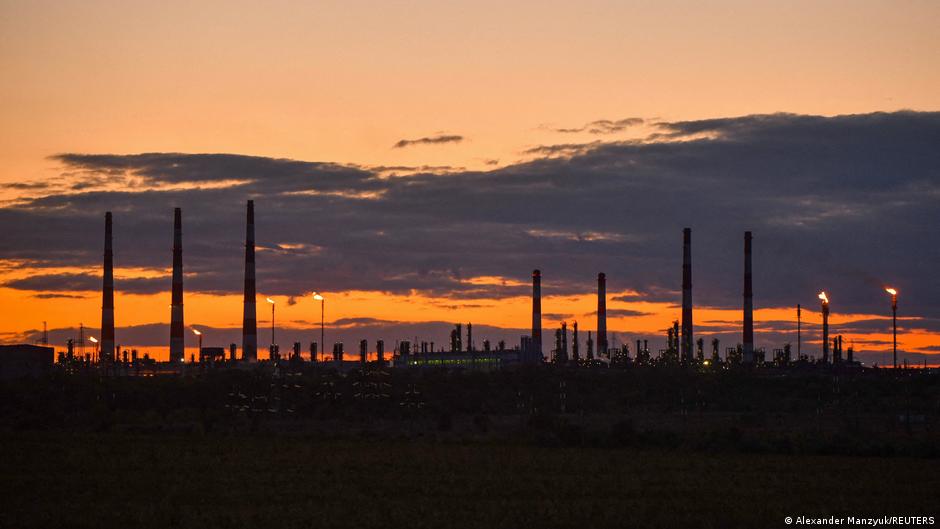
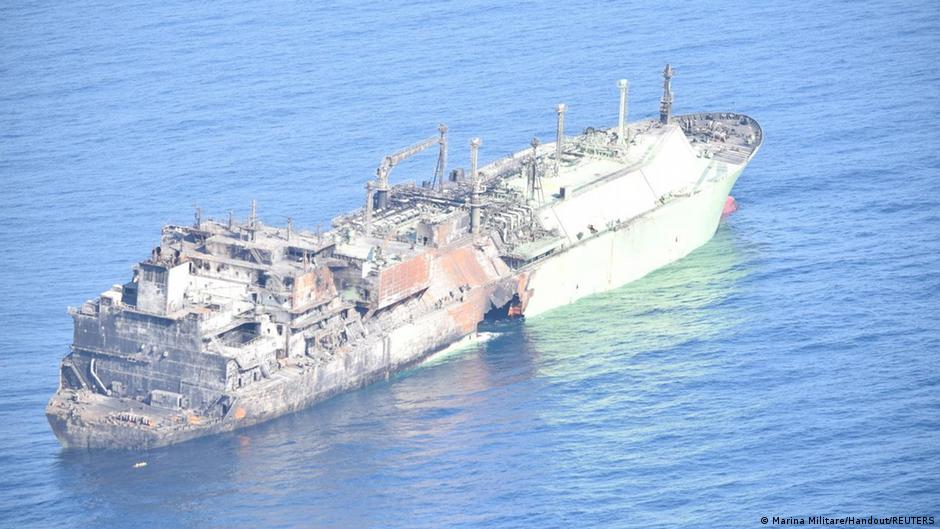
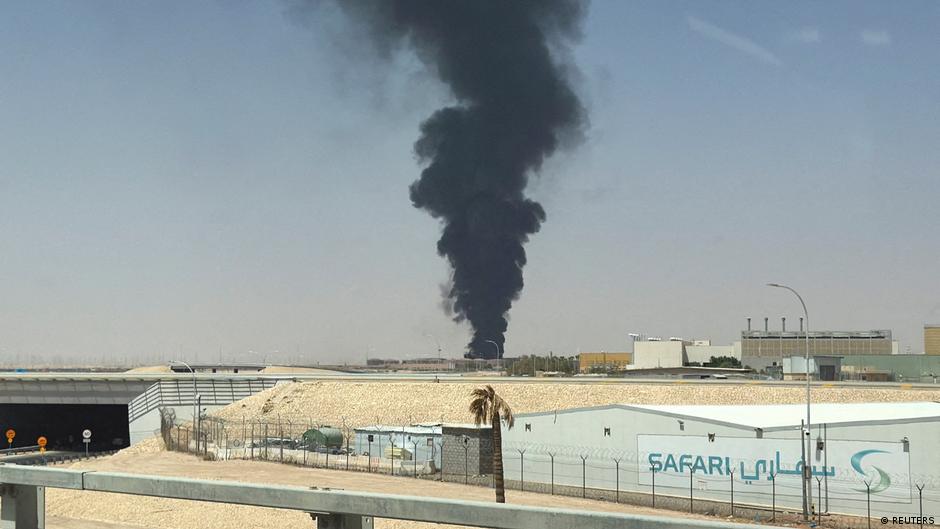
A reported drone attack and fire at Novorossiysk’s port hub could add pressure to fuel, food and market risks watched by households and investors.

A reported drone attack and fire at Novorossiysk’s port hub could add pressure to fuel, food and market risks watched by households and investors.

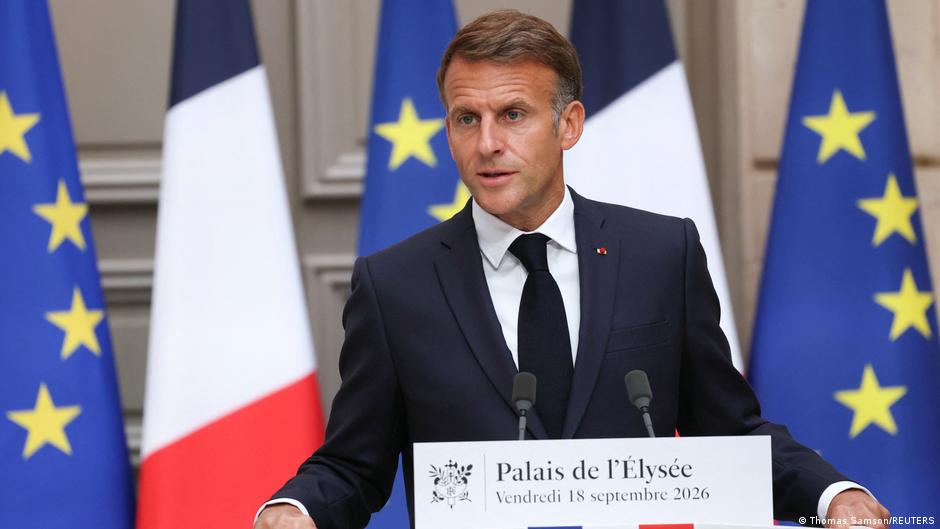
AfD’s Saxony-Anhalt win drew sharp reactions from Poland and France, adding political uncertainty for European savers, households and investors.
Latvia says a suspect in the Leipzig sabotage case had been living in Russia, as Germany tightens checks and sanctions enforcement with possible spillovers for travel and trade.

Norway’s seizure of a Russian vessel in a Naftogaz claim highlights how legal battles over assets can shape investor risk, currencies and household finances.

Russia says it will close Goethe-Institut branches after Berlin ends a cultural agreement, adding to uncertainty for households, students and investors.

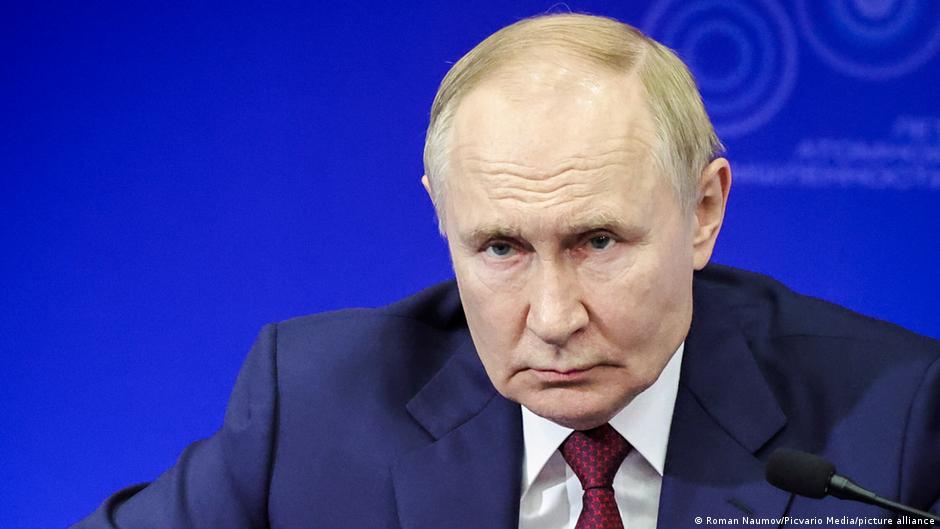
Putin says Armenia’s EU accession push would effectively mean quitting the EAEU, raising questions for trade, prices and investor confidence.

A reported U.S. warning to Russia points to prolonged sanctions pressure, with potential effects on currencies, prices, savings and investor risk.

Uzbekistan’s government auctions its full stake in the Fonon Jewelry Factory’s parent company, which carries substantial debt and uncertain financial prospects for consumers and investors.

Meta’s $18B settlement over child safety mandates new age-verification tech with privacy risks, impacting household digital habits and platform trust.

The U.S. has removed Syria from its terrorism sponsor list, opening new economic opportunities with potential impacts on currencies, investments, and household finances worldwide.

Russia's shadow air fleet in Africa bypasses sanctions, fueling geopolitical tensions that may impact household budgets, inflation, and investor risks globally.

Finland summons Russian ambassador after an Il-20 spy plane briefly entered its airspace, raising concerns that may impact regional economic stability and household finances.

Latvia has published a list of 170 firms still trading with Russia and Belarus despite the Ukraine war, affecting consumer choices and investor confidence.

NATO responds to Iranian threats targeting European military sites, signaling potential impacts on household budgets, currency markets, and consumer prices amid rising tensions.

President Trump announces unprecedented sanctions against Iran, threatening global trade and energy markets, with direct consequences for household budgets and investors worldwide.

Jared Kushner's talks with Hamas highlight persistent Middle East tensions that could impact currencies, inflation, and household finances worldwide.

Geopolitical tensions between Qatar and Iran threaten currency stability and consumer costs, impacting household budgets and everyday investors in the Gulf region.

The US plans to declare the Strait of Hormuz as its territory, potentially raising energy prices worldwide and impacting household budgets due to ongoing military tensions with Iran.

Ukraine sanctions 13 ships and 28 companies over illegal grain exports from Russian-occupied territories, aiming to protect agricultural revenues and stabilize commodity markets.

The US imposes tariffs up to 100% on imported drones and parts, affecting prices for consumers, investors, and businesses amid national security concerns.

US missile strike disables Iranian-bound cargo ship amid blockade enforcement, potentially raising fuel and shipping costs and impacting consumer budgets globally.

Turkey's reopening of its straits to shipping after temporary restrictions affects Black Sea trade routes, impacting commodity prices and household budgets globally.

Concerns over Ukraine’s potential to produce Patriot missiles raise questions about defense spending, supply chains, currency impacts, and investor risks affecting households globally.

Germany faces growing hybrid warfare threats, including drone attacks, impacting national security and posing risks to household budgets, savings, and investor confidence.

US Senate sanctions targeting Russian energy exports may drive higher fuel prices and inflation, affecting household budgets and investors worldwide.

Ukrainian and Serbian presidents meet in Belgrade, focusing on economic and energy cooperation that may influence household budgets and consumer costs in both countries.

US missile supplies are strained by aid to Ukraine, prompting concerns about increased defense spending and potential impacts on household budgets and consumer finances.

Russia extends sale of Euro-2 to Euro-4 fuels until 2027 amid refinery disruptions, impacting fuel prices and vehicle compatibility for consumers.

Ukraine's 40-day operation against Russian energy infrastructure disrupts fuel supplies, raising global prices and impacting household budgets and investors worldwide.

International browsers flag major Russian bank sites as insecure due to revoked security certificates, complicating online banking access for consumers and investors abroad.

Russia's redeployment of a major warship near Germany heightens risks to Baltic shipping routes, potentially affecting European energy supplies and consumer costs.

The surge of 60,000 migrants into Spain’s Ceuta enclave disrupts local economies, challenges household budgets, and raises currency and investment concerns across Europe.
Uzbekistan’s new digital transformation plan introduces a national navigation system and unified public platform, aiming to improve services and reduce costs for consumers and investors.

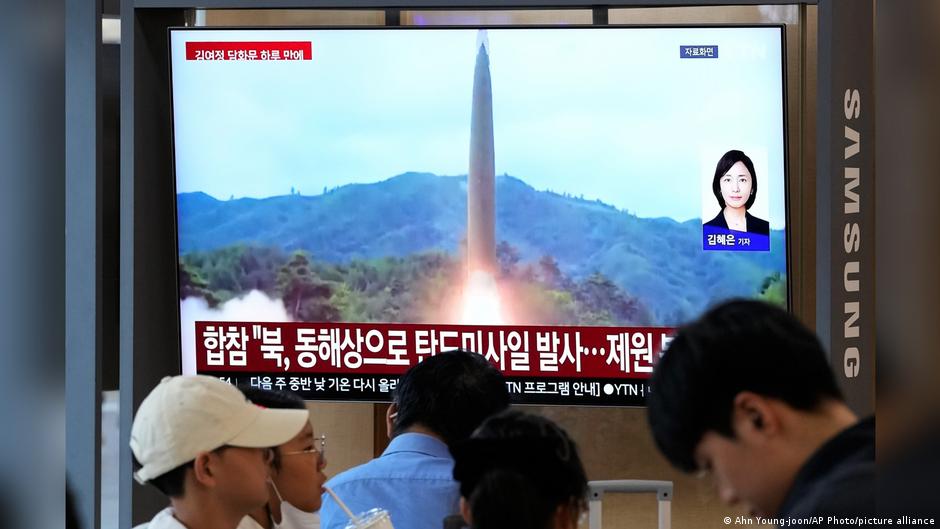
Russia’s use of North Korean ballistic missiles in Ukraine raises global concerns over economic stability, affecting household budgets, currencies, and investor confidence worldwide.

The US-declared Hamas disarmament deal signals potential easing of Middle East tensions, likely impacting global currencies, commodity prices, and investment markets.

The US Senate advances sanctions bill imposing steep tariffs on Russian imports, potentially raising prices and affecting household budgets and investments.

President Zelensky's Washington visit coincides with Senate moves to expand Russia sanctions, affecting household budgets and investment risks amid geopolitical tensions.

The EU protests Russian missile strikes damaging civilian and diplomatic sites in Ukraine, escalating regional tensions that affect European household budgets, inflation, and currency markets.

Russian attacks on Black Sea trade routes disrupt global food supplies, risking higher consumer prices and straining household budgets worldwide.

Iran’s Revolutionary Guard attacked an oil tanker near the Strait of Hormuz, threatening global oil supplies and raising fuel prices, impacting household budgets and investors worldwide.

Russia's updated fuel damping law aims to stabilize fuel prices, helping households manage costs amid market disruptions and supporting agricultural and import supply chains.

Eleven nights of US strikes on Iran disrupt key oil routes, pushing energy costs higher and affecting household budgets and investor confidence globally.

The US has sent $100 million in humanitarian aid to Cuba amid sanctions, providing direct relief to families while economic pressures and currency volatility rise.

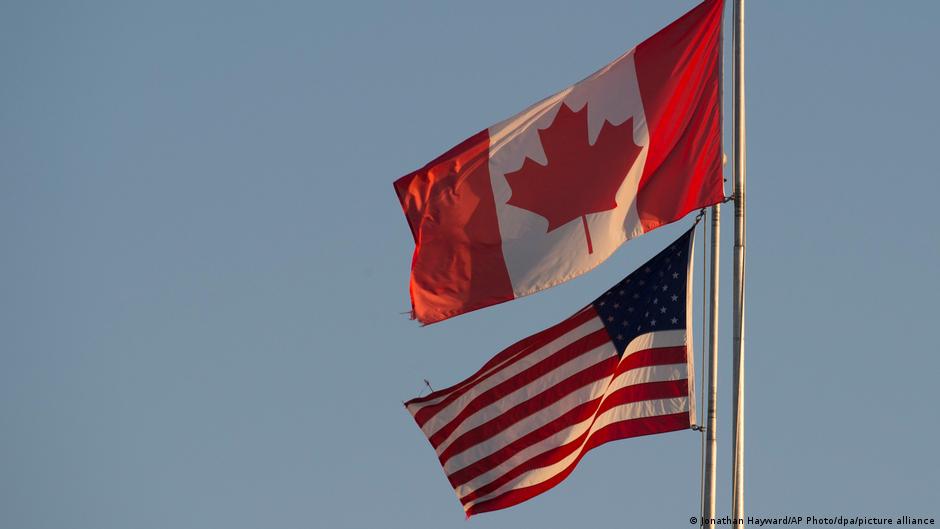
The US has imposed 50% tariffs on Canadian imports, raising prices on goods like wine and cement, which may increase costs for American households and affect everyday investments.

Hungary’s veto on Ukraine’s EU accession negotiation clusters delays integration, risking currency volatility, inflation, and uncertainty for households and investors.

US strikes on Iran's infrastructure heighten risks of oil supply disruptions, driving up energy costs and impacting household budgets and investors worldwide.

The US is negotiating to restore an Iraq-Syria oil pipeline to bypass the Strait of Hormuz, aiming to stabilize energy supplies and ease global household energy costs.

US threats against the International Criminal Court spark concerns about global legal stability and economic impacts on currency markets, household budgets, and investors.

US military strikes on Iran near the Strait of Hormuz risk disrupting oil supplies, driving up energy prices, and straining household budgets and investments globally.
Former Spanish PM’s remarks on the French World Cup team spark debate with implications for economic confidence and investor sentiment in Europe.