US-Iran Tensions Ease as Trump Cancels Strikes, Promises Imminent Deal
Trump halts planned military strikes on Iran amid progress toward a regional agreement, impacting global oil markets and household finances.
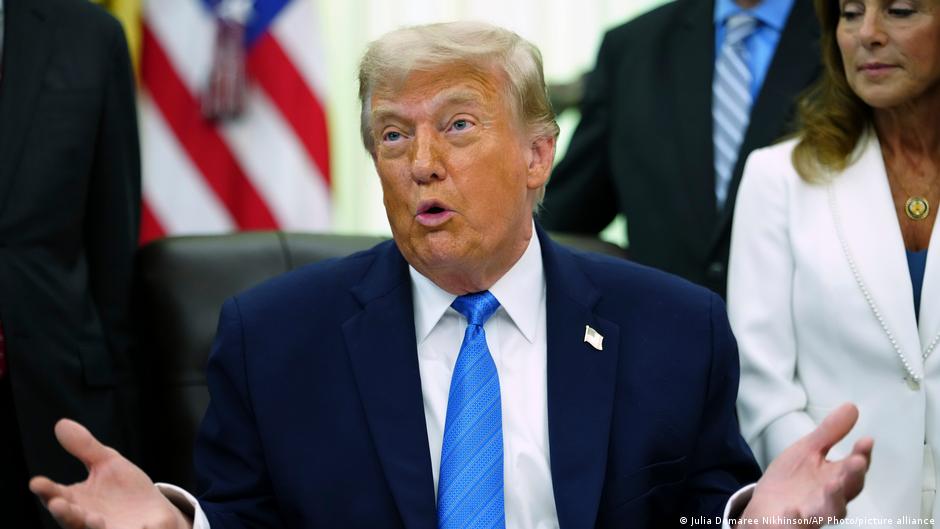
US President Donald Trump announced the cancellation of planned airstrikes on Iran following promising negotiations with Iran's top leadership, signaling a potential de-escalation in Middle Eastern tensions. This development has significant implications for global energy prices and household budgets worldwide.
Progress Toward a Regional Agreement
On June 11, Trump confirmed via his social platform that discussions with Iran's senior officials had reached a level warranting the cancellation of military actions scheduled for that evening. The US administration, along with key regional players including Israel, Saudi Arabia, the UAE, Qatar, Turkey, Pakistan, Bahrain, Kuwait, Jordan, and Egypt, reportedly agreed on the final terms of a forthcoming deal.
"The maritime blockade will remain in full effect until the deal is finalized, with the signing planned soon," Trump stated, emphasizing a cautious approach despite the breakthrough.
Trump further indicated that the "magnificent deal" could be signed as early as this weekend, likely in Europe, though he would not attend personally due to his 80th birthday on June 14. Vice President J.D. Vance is expected to represent the US at the signing.
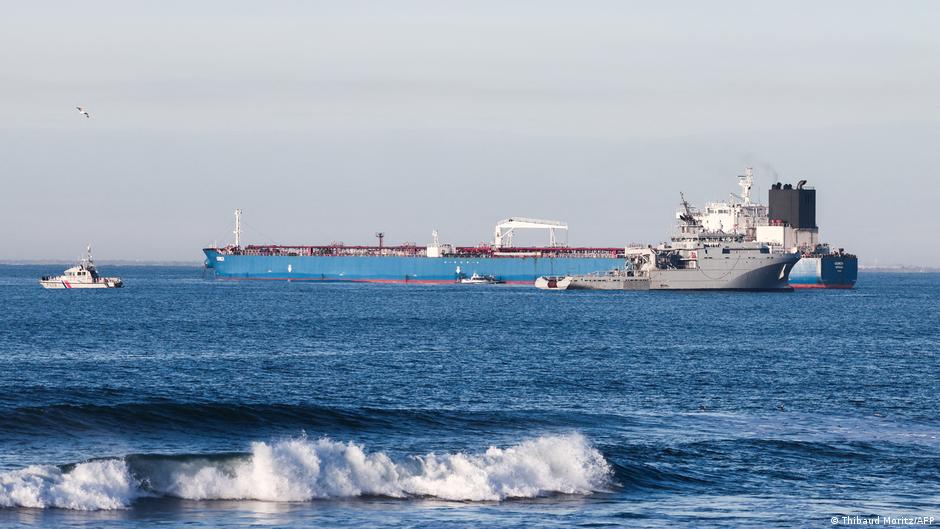
The agreement reportedly guarantees that Iran will not acquire nuclear weapons, and crucially, the Strait of Hormuz—a vital artery for global oil shipments—would be reopened. This is significant as the Strait accounts for around 20% of the world's oil trade, and its closure had previously threatened global energy supply chains.
Market and Household Financial Impacts
Geopolitical tensions in the Persian Gulf often trigger volatility in global oil prices, which directly affects consumer spending and inflation worldwide. The prospect of a peaceful agreement and reopening of the Strait of Hormuz could stabilize or even lower oil prices, easing the cost burden on households.
Energy prices constitute a major expense for many families, influencing costs for transportation, heating, and goods. A reduction in geopolitical risk premiums embedded in oil prices could translate into relief for consumer wallets and moderate inflationary pressures.
Moreover, easing tensions may calm currency markets, notably benefiting emerging economies that rely heavily on oil imports. Investors who have been cautious or exposed to oil price volatility may see reduced risks, potentially stabilizing portfolios.
Remaining Uncertainties and Military Posturing
Despite this optimistic outlook, Iranian officials have yet to make a final decision on the agreement. Iranian Foreign Ministry spokesperson Esmail Baghaei stated that Iran has not reached a definitive conclusion. Meanwhile, Iranian parliamentary speaker Mohammad Bagher Ghalibaf cautioned that "impulsive" US decisions could lead to prolonged conflict and warned against underestimating Iran's resolve.
Just days before the announcement, US Central Command had resumed strikes on Iranian targets, citing ongoing Iranian aggression. These actions, along with threats of further strikes, underscored the fragile nature of the current détente.
Iran reportedly responded with missile attacks on US bases in the Gulf region and Jordan, triggering air defense alerts in Kuwait and Bahrain. Tehran also declared a complete closure of the Strait of Hormuz, warning that any vessel attempting passage would be attacked. This illustrates the delicate balance between diplomatic progress and military escalation.
Should the agreement materialize, it may restore stability to one of the world's most strategically critical regions, directly influencing global energy markets and, by extension, household budgets and consumer confidence worldwide.