Drone Attacks in Russian Regions Intensify Economic Strain on Households and Local Budgets
Recent drone strikes in Belgorod and Rostov regions cause casualties and infrastructure damage, impacting residents’ finances and regional economies.
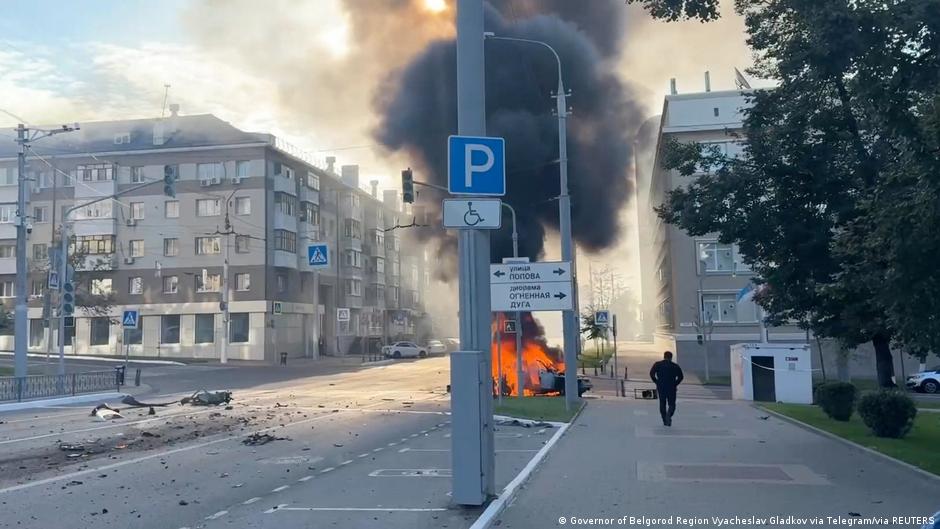
Recent drone attacks by Ukrainian forces on Russian border regions have resulted in civilian casualties and property damage, exacerbating financial pressures on households and local governments. The Belgorod and Rostov regions reported multiple injuries, deaths, and disruptions to essential services amid escalating military exchanges.
Impact on Household Budgets and Local Infrastructure
In Belgorod, drone strikes damaged residential buildings and vehicles, with 12 civilians injured, including two children. Several apartments and cars caught fire during the attacks, forcing residents to evacuate temporarily. Local authorities have suspended communications in two apartment blocks, and residents have been relocated to temporary shelters.
These disruptions pose immediate challenges for affected families, including unplanned expenses for repairs, temporary housing, and medical care. The destruction of property and interruption of utilities can deplete household savings and increase reliance on government assistance.
"The financial burden on families after such attacks is significant," said a local community advocate. "Beyond physical damage, the uncertainty and displacement add to everyday economic stress."
In Rostov-on-Don, a married couple was killed and five others injured during similar attacks. The region's governor confirmed the toll, highlighting the human cost alongside material damage. Emergency response and public safety measures strain municipal budgets already impacted by the broader conflict.
Wider Economic Consequences and Currency Effects
Repeated attacks in border regions have ripple effects on regional economies. Repairing infrastructure, compensating victims, and maintaining emergency services require substantial government funding. This can divert resources from other public services and development programs, potentially slowing economic growth.
Local businesses also face interruptions due to damage and reduced consumer confidence, which can lead to decreased spending. This uncertainty may affect small investors and household savers who depend on regional economic stability.
Additionally, the ongoing conflict and associated attacks can influence currency stability. Heightened geopolitical risks often lead to fluctuations in the national currency, impacting purchasing power and inflation rates. For ordinary consumers, this means more volatile prices for goods and services, further squeezing household budgets.
"The convergence of military conflict and economic hardship threatens the financial security of everyday Russians in these border areas," said an economic analyst.
As military actions continue, both immediate humanitarian concerns and longer-term economic ramifications must be considered. Supporting affected families with financial aid and ensuring rapid restoration of services are critical to mitigating the personal finance impact of ongoing hostilities.