EU Launches First Negotiation Cluster for Ukraine and Moldova's Accession Talks
The EU advances from preparatory steps to substantive talks on Ukraine and Moldova’s membership conditions, impacting regional economies and currencies.
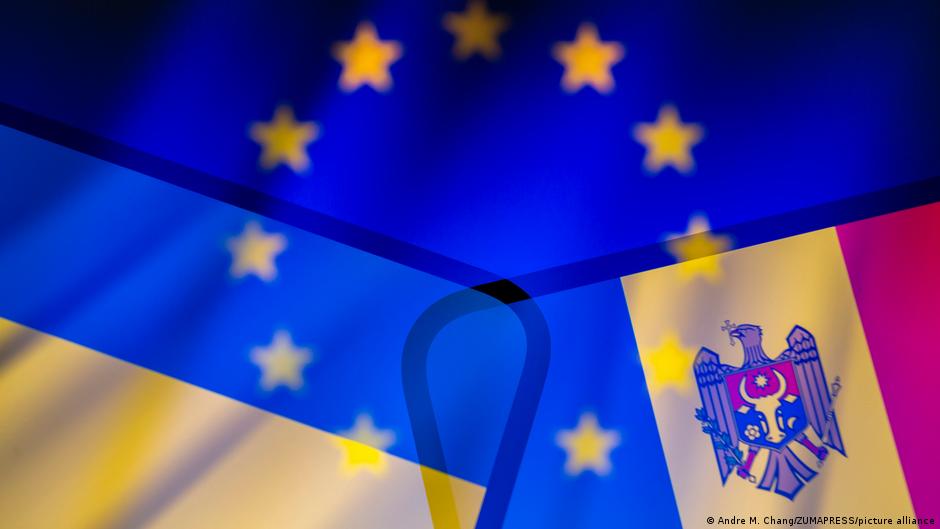
The European Union has officially launched the first negotiation cluster concerning the accession of Ukraine and Moldova, marking a pivotal shift from initial preparations to substantive discussions on the terms of future membership. This development, initiated on June 15 in Luxembourg, signals the EU’s commitment to integrating these Eastern European neighbors and has significant implications for personal finances, household budgets, and investors across the region.
What the EU Negotiation Clusters Mean for Households and Economies
The accession talks are structured into six major thematic clusters, each covering various legal and policy areas. The EU assesses each candidate country’s readiness to adopt its rules and standards, with the first cluster focusing on aligning national legislation and implementing reforms in key sectors.
For households in Ukraine and Moldova, progress in these negotiations may translate into more stable economic frameworks and improved market access, which could affect prices of goods, job markets, and currency stability. For example, aligning with EU standards often leads to increased foreign investment and trade, fostering economic growth that can raise incomes and improve living standards.
"The future of Ukraine and its citizens is firmly linked to the European Union," said Marilena Rauna, Deputy Minister for European Affairs of Cyprus, the current EU Council president. "We have all awaited this day for a long time, and today we can finally celebrate."
Consumers and everyday investors might see direct benefits as market regulations become more transparent and harmonized with European norms. This could enhance the confidence of local and international investors, potentially stabilizing currencies and reducing inflationary pressures that impact household budgets.
However, the transition also requires reform implementation, which may involve short-term fiscal adjustments or regulatory changes that impact the cost of living. Households should prepare for potential shifts in taxation, subsidies, or public services as Ukraine and Moldova work to meet EU standards.
In sum, the opening of the first negotiation cluster is a critical step toward EU integration for Ukraine and Moldova, bringing opportunities and challenges for economies and consumers alike. Monitoring these developments is crucial for understanding how future EU membership could influence personal finances and investment landscapes across the region.