Military Drills Near Suwalki Corridor Signal Rising Regional Security Costs for Households
Joint Lithuanian, Polish, and French exercises near the Suwalki Corridor highlight potential economic impacts on local budgets and currency stability.
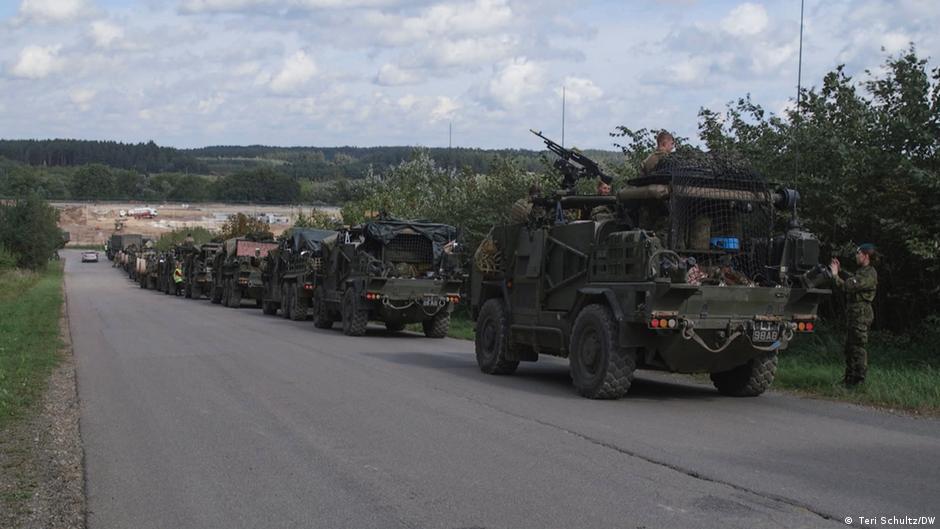
Joint military exercises by Lithuania, Poland, and France near the Suwalki Corridor — a narrow but strategically vital stretch between Kaliningrad and Belarus — are drawing attention not only to regional security but also to potential economic consequences for households and consumers in the area.
Strategic Military Buildup and Its Financial Ripple Effects
From June 16 to 26, the three countries are conducting the “Gallant Boar 2026” exercises to sharpen infantry operations and improve coordination for defending the corridor. Lithuania’s mechanized dragoon battalion and infantry brigade "Žemaitija" will participate.
This corridor connects the Baltic states to the rest of the European Union and NATO. A potential Russian attempt to seize control over this area would disrupt supply chains and isolate Lithuania, Latvia, and Estonia from vital EU and NATO support.
In response, Lithuania approved construction of a new military training ground near the corridor, expected to host up to 4,000 troops by 2028. NATO is also establishing new command structures to accelerate troop deployments in case of escalation.
"The military buildup, while aimed at deterring conflict, inevitably strains public resources and household budgets in neighboring countries," says a defense analyst.
For residents near the corridor, heightened military presence means increased government expenditure which may translate into higher taxes or diverted public funds from social programs. The cost of maintaining large-scale military facilities and personnel can also affect national currencies and inflation rates.
Local consumers may feel the pinch through rising prices of goods, especially those linked to logistics and cross-border trade, as supply routes become more militarized and subject to security checks. This could also impact everyday investors as regional economic uncertainty influences financial markets and investment confidence.
Long-Term Outlook Amid Ongoing Regional Tensions
Despite Russia’s lack of visible military success in Ukraine, experts observe continued troop deployments and base expansions along the western border, signaling preparation for potential future conflicts. Satellite images confirm the buildup of nearly 115,000 Russian troops near European borders.
However, NATO commanders remain confident that Russia seeks to avoid direct large-scale confrontation, recognizing the alliance’s military advantages. Still, this stalemate could prolong the need for defensive readiness, sustaining financial pressure on governments and consumers alike.
For households, this means living with the economic uncertainty of a region preparing for possible conflict, emphasizing the importance of prudent personal finance management, diversified savings, and awareness of currency fluctuations in the Baltic and neighboring markets.