US Military Intercepts Iranian Missile Attack Amid Rising Middle East Tensions
Recent missile attacks and US defensive measures highlight risks to global energy markets and household finances.
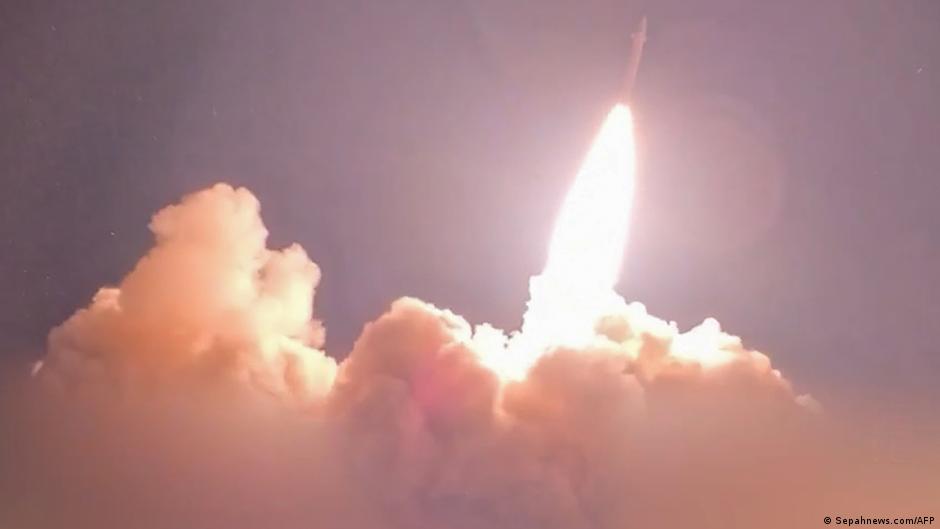
In a recent escalation of hostilities in the Middle East, US military forces have reported successfully intercepting ballistic missiles launched from Iranian territory targeting American troops stationed in the region. This development underscores the growing volatility in a geopolitically critical area, with potential ripple effects on global economic stability and consumer budgets worldwide.
Implications for Energy Prices and Household Budgets
The missile attack marks a sharp intensification following a period of relative calm between US and Iranian forces. The Islamic Revolutionary Guard Corps (IRGC) launched multiple ballistic missiles in what was described by the US Central Command (CENTCOM) as an "attempted surprise attack" on US military bases in the Middle East. Fortunately, all missiles were intercepted successfully, and US forces remain on high alert.
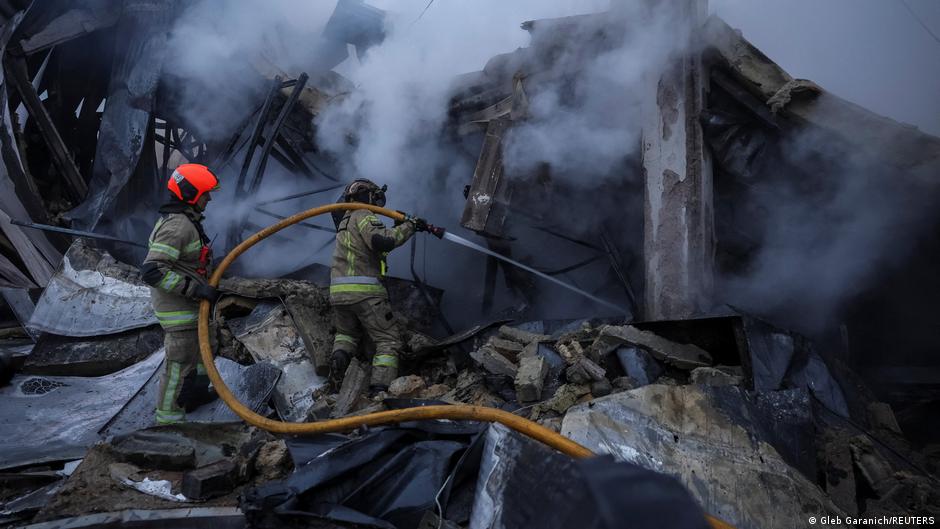
These military tensions come against a backdrop of recent US airstrikes on Iranian targets. Between July 12 and 24, the United States carried out nighttime strikes aimed at reducing Iran’s capability to threaten commercial shipping lanes in the Strait of Hormuz—a strategically vital chokepoint through which a significant proportion of the world’s oil supply passes. Iran’s retaliation has included attacks on shipping vessels and strikes on neighboring countries hosting US bases.
Given the critical role the Strait of Hormuz plays in global oil supply, any conflict escalation threatens to disrupt energy markets, potentially driving up oil and fuel prices globally. Higher energy costs impact everyday consumers significantly, increasing transportation and utility expenses, which weigh heavily on household budgets.
"The threat of renewed conflict and disruptions in oil supply chains puts upward pressure on energy prices, directly affecting consumer spending and savings," economic analysts warn.
For household investors and savers, the instability introduces increased volatility in currency exchange rates and stock markets. The potential for sustained energy price hikes can fuel inflationary pressures, eroding purchasing power and complicating financial planning for families and individuals.
US policymakers have cited concerns over depleting missile interceptors and the risk of a broader economic crisis as factors in deferring additional large-scale military strikes against Iran. This cautious approach aims to mitigate both military and economic fallout, but the situation remains fluid.
In summary, the renewed missile attacks and ongoing military confrontations in the Middle East present tangible risks not only to international security but also to global economic conditions. Consumers and investors should be aware of the potential for rising energy costs, inflation, and market instability stemming from these geopolitical tensions.