Vote Recount in Armenia’s Parliamentary Elections Highlights Political Uncertainty and Potential Economic Impact
Recount of ballots at one-third of polling stations shows shifts in vote counts amid contested election results, with implications for Armenia’s economic stability and investor confidence.
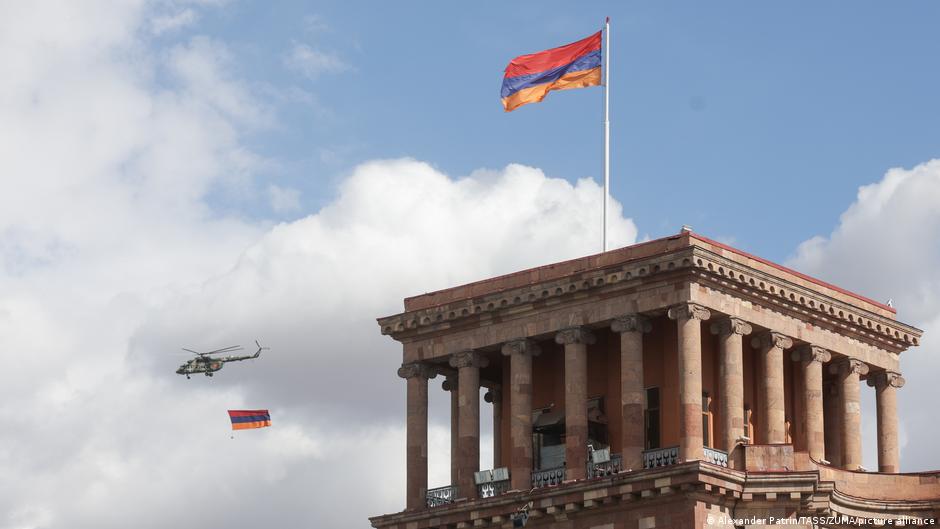
Armenia's Central Electoral Commission (CEC) has completed a recount of votes from 637 out of 2,005 polling stations following a request from the pro-Russian opposition bloc Strong Armenia. The recount yielded slight increases in vote counts for several parties, including the bloc led by Russian-Armenian billionaire Samvel Karapetyan. The results have intensified political uncertainty, which may have ripple effects on household economic confidence, currency stability, and local investment.
Election Recount and Political Context
The parliamentary elections held on June 7 saw a vigorous contest between the ruling Civil Contract party, led by Prime Minister Nikol Pashinyan, and various opposition groups. After the vote, the Strong Armenia bloc, which secured 23.29% of the vote according to preliminary counts, requested a recount, citing alleged violations and irregularities.
The CEC’s recount increased Strong Armenia’s vote tally by 508 votes, bringing their total to 340,088. Other parties also saw changes: Prospering Armenia gained an additional 147 votes (total 58,378), the ruling Civil Contract party gained 1,148 votes (total 727,820), and the Armenia bloc, led by former president Robert Kocharyan, increased by 217 votes (total 145,113).
The CEC reported an increase in identified irregularities from 1,279 to 1,509 and a decrease in invalid ballots by 859, with final election results to be confirmed on June 14.
“The Central Electoral Commission has finalized the recount, which covered over a third of polling stations, revealing minor adjustments but confirming the leading positions of all major political forces,” said a commission statement.
The vote recount stems from allegations by Strong Armenia of election violations. Karapetyan himself has been under house arrest since last year on charges of plotting a coup, which he denies as politically motivated.
Economic and Financial Implications for Households and Investors
The protracted political uncertainty surrounding the recount and related investigations into electoral violations could affect Armenia’s economic environment, which in turn impacts household budgets and investor sentiment.
Political instability often leads to currency volatility. For Armenian households, this raises concerns about inflation and purchasing power, as the Armenian dram could face depreciation pressures if investor confidence declines. Given that remittances and foreign investments are vital sources of income for many families, uncertainty could tighten household budgets and reduce savings.
Furthermore, everyday investors and small businesses may postpone investment decisions in an uncertain political climate. The ruling party’s near 50% vote share suggests some stability, but the opposition’s challenges and legal probes could prolong uncertainty.
Market analysts caution that the election outcome and any ensuing unrest could influence foreign aid, credit ratings, and trade relations, all affecting economic growth and household welfare.
Voter turnout at 58.97% was higher than in recent elections, indicating strong public engagement. Nonetheless, the ongoing disputes highlight the fragility of Armenia’s democratic processes, with concrete consequences for economic policy direction and fiscal stability.
In summary, while the vote recount has confirmed the relative rankings of the major political blocs, the political tensions underlying the process underscore risks to economic stability and individual financial security in Armenia, particularly for consumers sensitive to currency fluctuations and government policy changes.