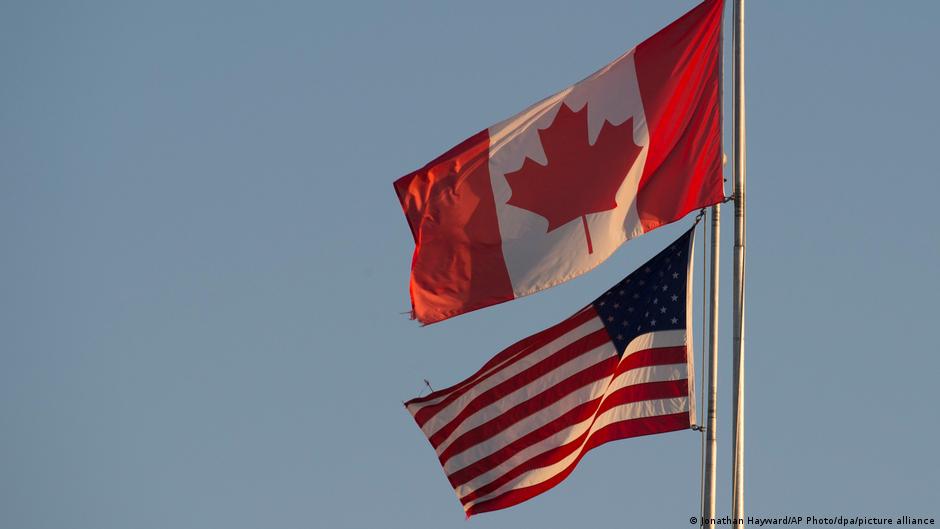
US Campaign Against ICC Raises Concerns Over Global Legal Order and Economic Implications
Germany defends International Criminal Court amid US threats, highlighting potential impacts on international cooperation and investor confidence.
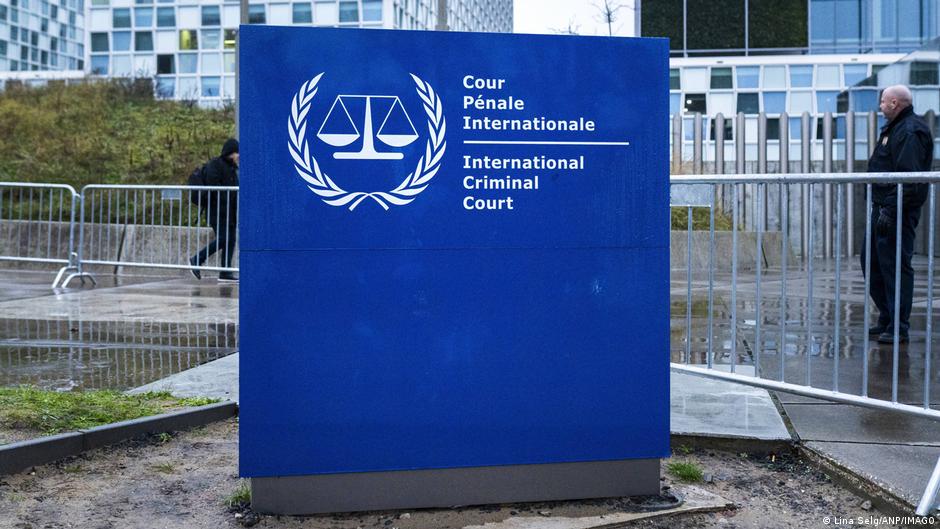
The recent US campaign against the International Criminal Court (ICC) in The Hague has prompted strong reactions from Germany and the European Union, underscoring tensions within the global legal framework that could reverberate into international finance and household economics.
Legal Disputes and Economic Ripples
The United States has accused the ICC of threatening American sovereignty, particularly by pursuing investigations into US military personnel and officials. Washington announced a broad strategy including diplomatic pressures, sanctions, and travel bans against ICC staff, aiming to limit the court’s influence. This hardline stance raises questions about the stability of international institutions and their role in global governance.
Germany’s Foreign Minister Johann Wadephul publicly defended the ICC, emphasizing its mission to deliver justice for severe crimes such as the recruitment of child soldiers. Wadephul argued that despite imperfections, the ICC enhances global security and fairness, and undermining it could weaken the international order founded on rule of law principles.
“The International Criminal Court makes the world safer and fairer,” stated the German Foreign Minister, highlighting the court's role in holding perpetrators accountable.
From a personal finance perspective, such international tensions can affect currency markets and investment climates. Uncertainty around US foreign policy and international legal disputes can increase volatility in exchange rates, impacting household budgets that rely on imported goods or foreign travel. Investors in multinational companies might also face heightened risks, as disruptions in diplomatic relations can affect global supply chains and market access.
The European Commission also rejected the US claim that the ICC threatens sovereignty, reinforcing that the court targets individuals, not nations, and does not infringe on state powers. This backing signals the EU’s commitment to multilateral institutions, which play a crucial role in maintaining predictable legal environments conducive to investment and economic stability.
Implications for Consumers and Investors
The tensions between the US and ICC may lead to increased geopolitical risk premiums, potentially influencing inflation through commodity prices or foreign exchange rates. For everyday consumers, this could mean higher prices for imported goods or travel expenses. For savers and investors, the unpredictability might prompt reconsideration of asset allocations, especially in portfolios with significant international exposure.
Moreover, the US administration’s approach could inspire other countries to re-evaluate their participation in international legal frameworks, possibly fragmenting global cooperation. This development would complicate cross-border business operations and elevate legal uncertainties, which often translate into increased costs for companies and consumers alike.
As Washington considers sanctions and diplomatic efforts to curtail the ICC’s activities, stakeholders—from policymakers to individual investors—should monitor these developments closely. The integrity of international law not only affects human rights but also underpins the economic order that supports global trade and investment.
In conclusion, while the ICC’s core mission centers on justice, the political resistance it faces highlights the interconnectedness of legal institutions and economic realities. Households and investors should be aware that international disputes of this nature can have indirect but tangible effects on their financial well-being.