Kosovo Premier’s Party Wins Elections Amid Ongoing Political Uncertainty
Albin Kurti’s Self-Determination party secures 43% vote share but coalition talks remain crucial for government formation.
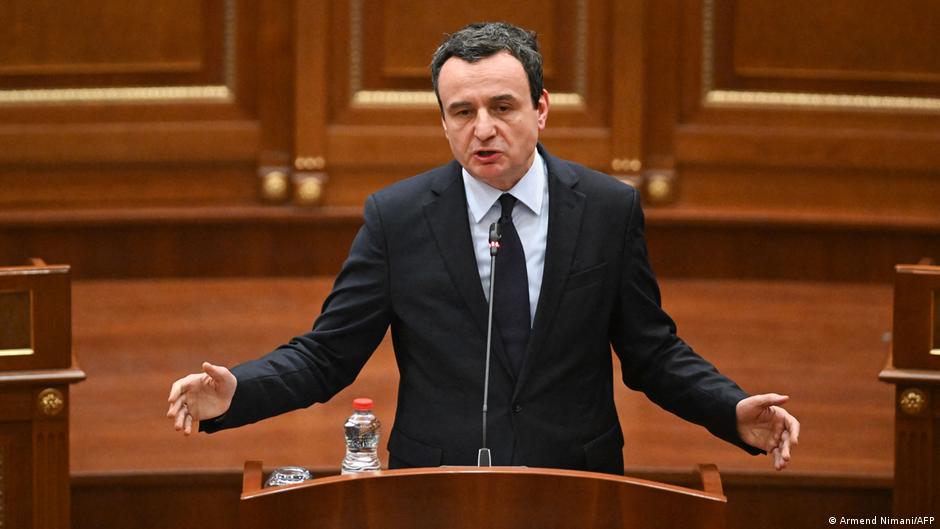
In the recent snap parliamentary elections held in Kosovo, the ruling Self-Determination party, led by Prime Minister Albin Kurti, emerged victorious with 43% of the vote. However, despite this win, the party must negotiate coalition partnerships to establish a functioning government amidst ongoing political instability.
Implications for Kosovo’s Economy and Households
The political landscape in Kosovo is not only significant for governance but also carries considerable weight for household finances and economic stability. With the Self-Determination party’s pro-Western and reformist agenda, there is a clear focus on aligning Kosovo’s institutions with European Union standards, a move that could impact currency stability, inflation rates, and ultimately consumers’ purchasing power.
Following Kosovo’s declaration of independence in 2008, the country has faced challenges in securing international recognition and attracting foreign investment, factors critical for economic growth and household income improvements. Efforts to join the EU could pave the way for increased access to European markets and financial support, potentially stabilizing the local currency pegged to the euro and enhancing savings security for Kosovans.
However, ongoing political uncertainty, highlighted by the necessity of coalition building after three elections in eighteen months, risks delaying much-needed reforms. This uncertainty can translate into volatility in consumer confidence, affecting spending and saving behaviors in Kosovo’s households.
"The formation of a stable government is a prerequisite for economic reforms that directly influence household budgets and the broader financial environment."
Moreover, the party’s firm stance on the Serbian minority and northern Kosovo could have implications for regional stability and economic integration. Tensions in these areas might affect trade routes and disrupt local economies, with ripple effects on everyday investors and consumers.
Given that voter turnout was low at under 37%, the election results also reflect a degree of public disengagement, which may signal skepticism about rapid economic improvements or political solutions. For Kosovans managing tight household budgets, uncertainty about future policies may encourage cautious financial behavior, including reduced investment and increased preference for saving in stable foreign currencies.
In summary, while the election win for Albin Kurti’s party signals continuity in Kosovo’s pro-European policy orientation, the practical challenges of forming a coalition government and managing ethnic tensions continue to pose risks to economic stability. This environment affects household finances by influencing inflation, currency stability, and consumer confidence—key factors for everyday investors and families striving to secure their financial futures.