US Military Strikes Iranian Targets Amid Escalation in Strait of Hormuz Tensions
US attacks on Iranian military infrastructure follow drone strike on oil tanker, raising risks for global oil supply and consumer costs.
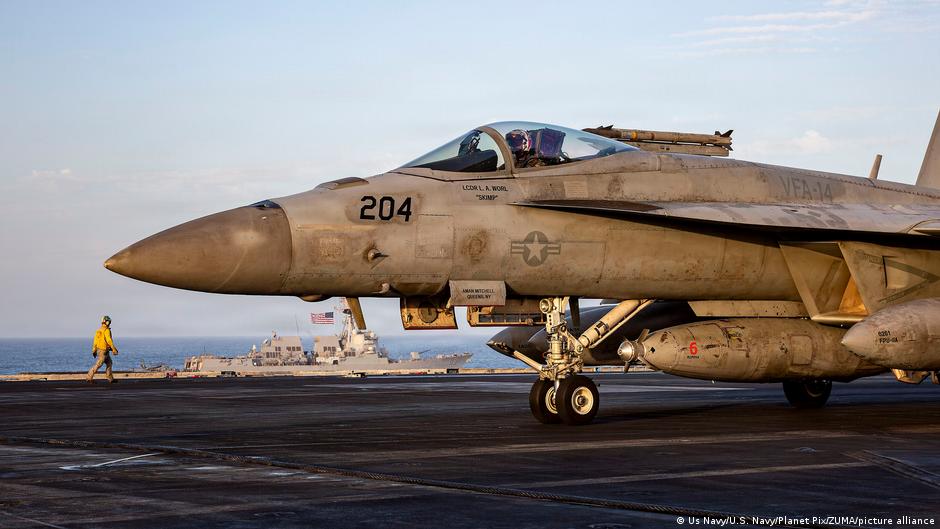
On June 27, US military forces launched airstrikes targeting Iranian military installations involved in surveillance, communications, air defenses, drone storage, and mine-laying systems. This response comes amid escalating Iranian attacks on commercial shipping vessels transiting the strategic Strait of Hormuz.
The US Central Command (CENTCOM) confirmed the strikes occurred following a drone kamikaze attack on the Panama-flagged oil tanker Kiku, which was carrying more than two million barrels of crude oil near the Strait. This incident followed an earlier Iranian attack on the tanker Ever Lovely that violated a ceasefire agreement signed on June 17 aimed at de-escalating hostilities in the critical shipping lane.
Implications for Global Energy Markets and Consumer Prices
The Strait of Hormuz is a vital chokepoint through which approximately 20% of global oil trade passes. Disruptions there can cause significant volatility in oil prices, directly affecting fuel costs for households worldwide. The recent attacks and retaliatory strikes risk further tightening global oil supply chains.
"The ongoing conflict near the Strait of Hormuz threatens energy security and could drive fuel prices higher, impacting household budgets and inflation globally," said an energy market analyst.
For everyday consumers, surging oil prices typically translate into increased gasoline prices, higher transportation costs, and generally elevated prices on goods reliant on energy-intensive production and shipping. Such dynamics can erode household savings and increase financial strain, particularly for lower- and middle-income families.
Financial markets have already reacted to these developments, with oil futures rising sharply amid fears of prolonged instability. Currency markets in the region have also experienced turbulence, reflecting geopolitical risk premiums. Investors holding assets linked to energy or emerging markets may face increased volatility.
In the short term, the US military has stressed that commercial shipping through the Strait will continue, with heightened vigilance. However, any escalation could jeopardize this assurance, potentially leading to supply chain interruptions and further price shocks globally.
Broader Regional Security Impact
Beyond economic consequences, the military actions have heightened tensions between Iran and the US, along with regional allies. Iran’s Islamic Revolutionary Guard Corps has claimed responsibility for attacks on Kuwait and Bahrain, targeting US military sites and warning of more severe responses if aggression continues.
The cycle of attacks and counterattacks raises concerns about a broader regional conflict, which would exacerbate instability and economic disruption. For individual investors and consumers, uncertainty in geopolitical hotspots often translates into more cautious spending and investment behavior.
US President Donald Trump underscored the seriousness of the situation, warning that the US might abandon restraint if provocations persist. Such rhetoric contributes to market uncertainty and underscores the fragile nature of the current ceasefire framework.
What Consumers Should Watch
Households and investors should monitor developments closely, as further escalation in the Strait of Hormuz could lead to sustained increases in energy prices. Budgeting for potential fuel cost surges and reviewing investment portfolios in energy-sensitive sectors might be prudent.
Additionally, consumers might seek to hedge against inflationary pressures by adjusting savings strategies or exploring alternative energy options where feasible. Staying informed about geopolitical risks remains essential for managing personal finances amid ongoing global uncertainties.