US Imposes New Sanctions on Cuban State Companies Impacting Economy and Investors
New US sanctions target five key Cuban state firms controlling 40% of GDP, affecting trade, investments, and financial operations.
The United States government has expanded its sanctions regime against Cuba by imposing new restrictions on five major Cuban state-owned companies. These entities are crucial to the Cuban economy, reportedly controlling about 40% of the nation's GDP. The move escalates tensions between the two countries and raises concerns over the impact on Cuban households, foreign investors, and currency stability.
Sanctions Target Key Economic Players
The newly sanctioned companies are involved in critical sectors such as the export and import of goods, foreign investment activities, financial transactions, and raw steel production. Three of the targeted firms are linked to the Grupo de Administración Empresarial S.A. (GAESA), a business conglomerate managed by Cuba's Revolutionary Armed Forces. GAESA is estimated to hold liquid assets of approximately $14.5 billion as of 2024, underscoring its significant role in the Cuban economy.
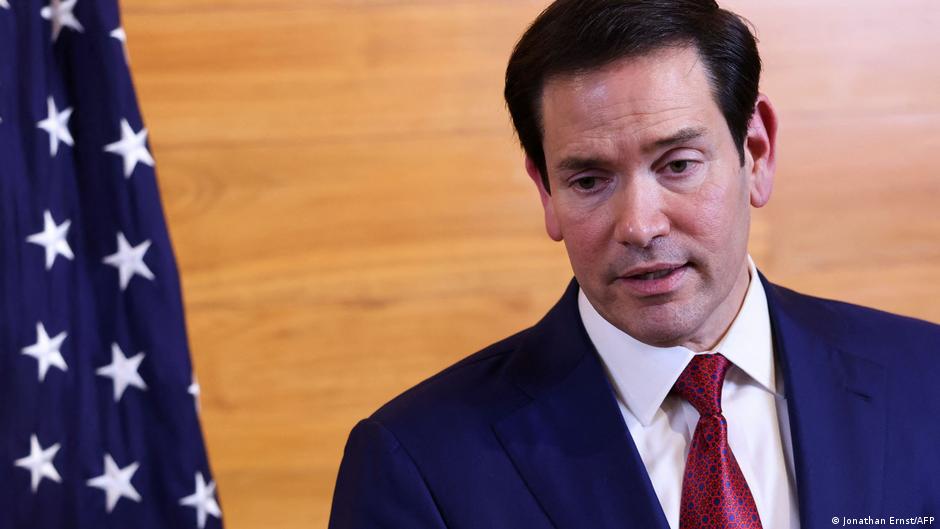
"The ruling regime in Cuba uses GAESA to enrich itself while funding repression, espionage, and anti-American activities," stated U.S. Secretary of State Marco Rubio.
These sanctions also extend to the spouse of Alejandro Castro, head of Cuba's National Security Council and son of former leader Raúl Castro, signaling a strategic targeting of Cuba's political elite intertwined with economic interests.
Implications for Household Budgets and Investors
For Cuban households, these sanctions exacerbate economic challenges by potentially disrupting the flow of goods and foreign investments, which could lead to shortages and inflationary pressures. The restricted companies play vital roles in maintaining economic stability, and their sanctioning may reduce government revenue, affecting public spending and welfare programs.
Foreign investors and businesses with interests in Cuba are also facing increased risks. The U.S. Supreme Court recently reaffirmed the rights of American companies to seek compensation for properties nationalized by the Cuban government decades ago. Notably, ExxonMobil was granted the right to pursue claims related to its confiscated oil refineries, terminals, and gas stations, with compensation demands possibly reaching up to $1 billion.
This legal development may deter new investments and complicate existing operations, as companies weigh potential losses against political and economic uncertainties.
Economic and Currency Effects
The sanctions could impact Cuba's currency markets by limiting access to foreign capital and reducing remittances from abroad, a critical source of income for many Cuban families. Currency volatility and restricted liquidity might drive up import costs, further straining household budgets.
The Cuban government has condemned these measures as "merciless aggression and collective punishment," highlighting the growing geopolitical tensions. However, from an economic perspective, the sanctions add layers of complexity to an already fragile economy, with effects reverberating through consumer prices, savings, and investment climates.
In summary, the latest U.S. sanctions on Cuban state companies signal a toughening stance that not only impacts government operations but also directly affects the Cuban populace and international investors. The long-term economic consequences remain to be seen, but immediate effects on trade, currency stability, and financial confidence are already emerging.