US Senate Votes to End War Against Iran Amid Ongoing Diplomatic Talks
Senate resolution urges withdrawal of US troops from Iran conflict zone, signaling growing concern over war's impact on national resources and economy.
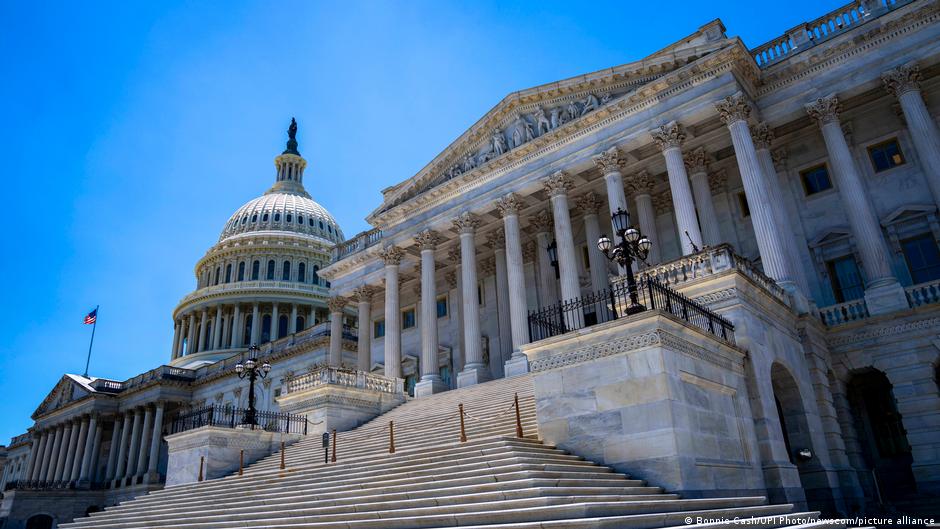
The United States Senate approved a resolution urging President Donald Trump to withdraw American military forces from the conflict zone involving Iran. Passed on June 23, the resolution highlights increasing concerns among lawmakers about the prolonged military engagement's effects on the US economy and household finances.
Implications for Household Budgets and Investor Confidence
The Senate vote, with 50 in favor and 48 against, reflects bipartisan apprehension about the ongoing military operations between the US, Israel, and Iran that have persisted since February 2026. Although the resolution lacks binding legal authority and is largely symbolic, it sends a strong political message regarding the desire to end costly foreign engagements.
"Congress must clearly signal that renewed combat operations cannot proceed without its approval," remarked Democratic senators who initiated the resolution.
While the White House dismissed the resolution as non-binding and noted the absence of active combat zones since a ceasefire in April 2026, the broader economic consequences of the conflict continue to resonate. Prolonged military actions tend to increase federal government spending, which can trickle down to affect inflation rates, currency stability, and, ultimately, the purchasing power of American households.
For everyday consumers and investors, uncertainty around international conflicts often heightens market volatility. This can impact personal savings and investment portfolios, particularly for those with exposure to currency fluctuations or defense sector stocks. The evolving diplomatic landscape, including recent memorandums on ceasefires and sanctions relief, could help stabilize markets and reduce risk premiums tied to geopolitical tensions.
In mid-June 2026, the US and Iran signed a memorandum of understanding aiming to halt military actions across multiple fronts, including Lebanon, while outlining sanctions relief and establishing a fund for Iran’s reconstruction. These developments may alleviate some economic pressures domestically by diminishing the likelihood of prolonged conflict-related expenses.
President Trump has indicated progress in negotiations on key issues such as nuclear control, sanctions, and shipping rights through the Strait of Hormuz. According to the administration, Iran has agreed to allow international inspections of its nuclear facilities, reinforcing an ongoing diplomatic effort that could translate into more favorable economic conditions.
As the situation evolves, American households and investors should monitor how the resolution and subsequent peace talks influence fiscal policies, market stability, and the dollar’s value. Reduced military expenditures could ease inflationary pressures and support consumer confidence, while sustained peace efforts might open new avenues for international trade and investment.