EU Extends Sanctions on Russia for One Year, Impacting European Household Budgets
The EU has agreed to prolong sanctions against Russia for 12 months, signaling continued economic pressure affecting energy prices and consumer finances.
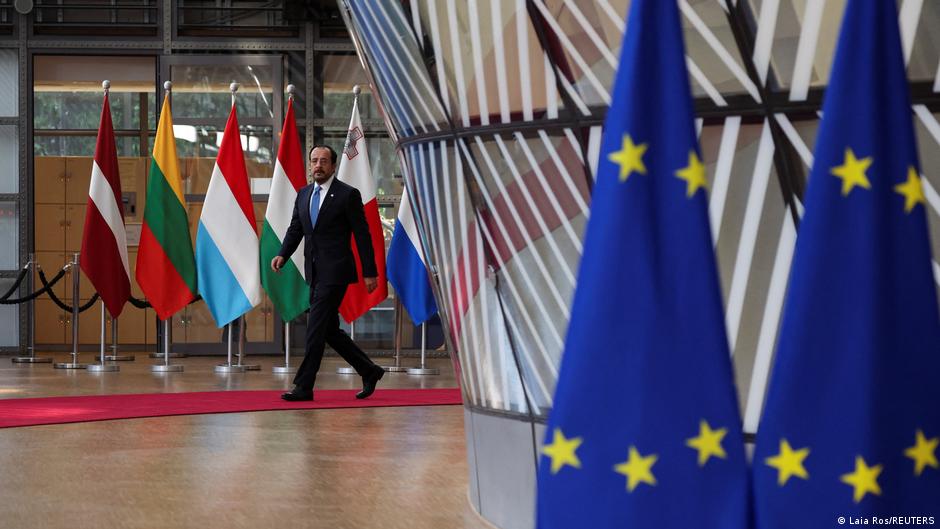
In a significant policy shift, European Union leaders at the Brussels summit have agreed to extend sanctions against Russia for a full year, rather than the usual six months. This marks the first time the EU has opted for such a lengthy extension since sanctions were first imposed in response to Russia's aggression against Ukraine.
The change was made possible after Hungary's new prime minister, Péter Medgyessy, reversed the veto stance previously held by former prime minister Viktor Orbán. Orbán had repeatedly blocked longer sanction periods, limiting earlier extensions to six months. With Hungary's consent, all 27 EU member states united to approve the year-long extension during the June 18 summit.
Economic Implications for Households and Consumers
For European households and consumers, the extended sanctions carry mixed consequences. On one hand, the EU aims to intensify pressure on Russia’s military economy by curbing revenues from energy exports, including through measures targeting shadow shipping fleets. While intended to weaken Russia’s war efforts, these measures are likely to sustain or even elevate energy prices across Europe.
“The EU intends to further reduce Russia’s income from energy sales to hasten an end to the conflict,” a senior official noted at the summit.
Energy costs make up a significant portion of household expenditures, and with sanctions prolonging restrictions on Russian oil and gas imports, consumers may continue to face higher utility bills and fuel prices. This sustained cost pressure can erode household savings and reduce disposable income, influencing everyday spending habits.
Additionally, financial sector and trade restrictions embedded in the anticipated 21st sanctions package could lead to currency volatility and tighter credit conditions. Investors and savers in the EU may need to adapt portfolios to increased market uncertainty and potential disruptions in trade flows.
The exact content of the 21st sanctions package has not been finalized, but media reports suggest it could include travel bans for Russian military personnel involved in the Ukrainian conflict and sanctions targeting high-profile Russian figures such as Patriarch Kirill of the Russian Orthodox Church and Arkady Dvorkovich, president of the International Chess Federation. Notably, new restrictions might also extend to fisheries, an unprecedented sector for EU sanctions, broadening the economic impact.
Political Dynamics and Outlook
Despite the consensus at the EU summit, tensions remain. Bulgaria's Prime Minister, Rumen Radev, has signaled plans to veto the upcoming sanctions package citing concerns over his country's economic interests and objections to measures against Patriarch Kirill. This highlights ongoing fractures within the EU on balancing economic costs with geopolitical objectives.
Nevertheless, the EU’s declaration emphasized the goal of escalating pressure on Russia to cease hostilities and engage in meaningful peace talks. The sustained sanction regime, while challenging for consumers and investors, underscores the bloc’s commitment to influencing the conflict through economic means.
European households should prepare for continued inflationary pressures, particularly in energy costs, and consider strategies to protect personal finances amid an extended period of economic uncertainty linked to these geopolitical tensions.