Drought at Belgorod Reservoir After Ukrainian Strikes Threatens Local Water Supply and Household Budgets
Uncontrolled water discharge from Belgorod Reservoir following military attacks reduces water levels, impacting agriculture and consumer expenses in the region.
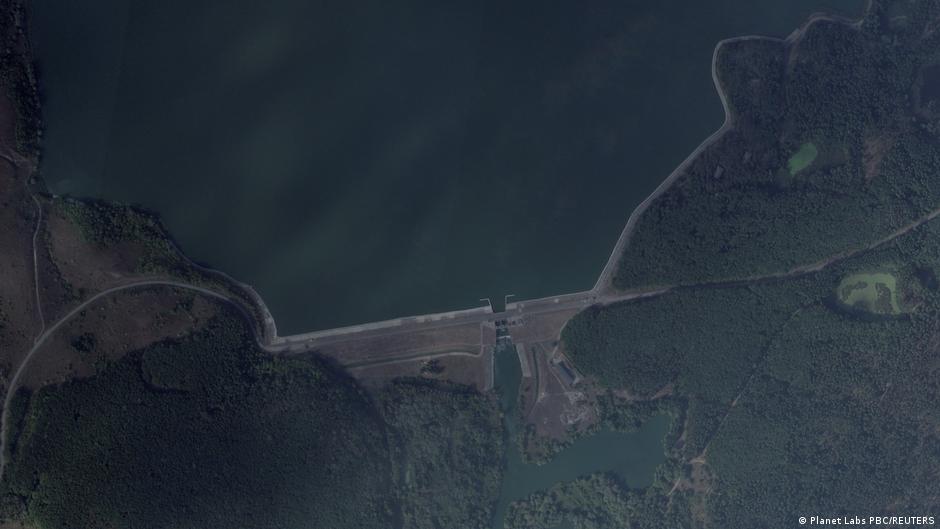
In July 2026, multiple strikes by Ukrainian forces on the dam of the Belgorod Reservoir have resulted in a significant drop in water levels due to an uncontrolled release of water. Eyewitnesses report that the reservoir's depth has diminished to between 10 and 40 centimeters, exposing the historic riverbed of the Seversky Donets River.
Implications for Household Budgets and Regional Economy
The drying of the Belgorod Reservoir has immediate and far-reaching consequences for local residents and the regional economy. Households reliant on this water source for daily use and agricultural irrigation face increased expenses as alternative water supplies must be sought.
Water shortages can lead to higher utility bills and increased costs for food production, which ultimately affect consumer prices in the area. For farmers, reduced irrigation capacity threatens crop yields, potentially causing losses that ripple through local markets and disrupt food supply chains.
"The water depth now varies from just 10 to 40 centimeters, drastically limiting the reservoir's usability for both household and agricultural needs," noted regional urban analyst Vladimir Titov.
Earlier attacks in October 2025 had already damaged hydraulic infrastructure, leading to emergency water releases. The July 2026 strikes, specifically near the Bezlyudovka and Grafovka villages in the Shebekino district, triggered a renewed and uncontrolled outflow, exacerbating the reservoir's depletion.
Local authorities have since managed to halt the uncontrolled water discharge, but the reservoir's water levels remain critically low. This situation places additional strain on residents who depend on stable water access and calls for increased spending on water management and infrastructure repairs.
Everyday investors and consumers should monitor these developments closely, as disruptions in water availability can influence agricultural stocks, local commodity prices, and regional economic stability. Furthermore, fluctuating water resources may affect the valuation of real estate and insurance costs in the affected areas.
As the situation unfolds, policymakers and financial planners must consider the impact of environmental and geopolitical factors on household financial security and regional market dynamics.