US-Iran Negotiations Resume Amid Military Tensions Impacting Global Markets
New diplomatic talks between the US and Iran begin August 3, easing immediate conflict risks but creating uncertainty for households and investors worldwide.
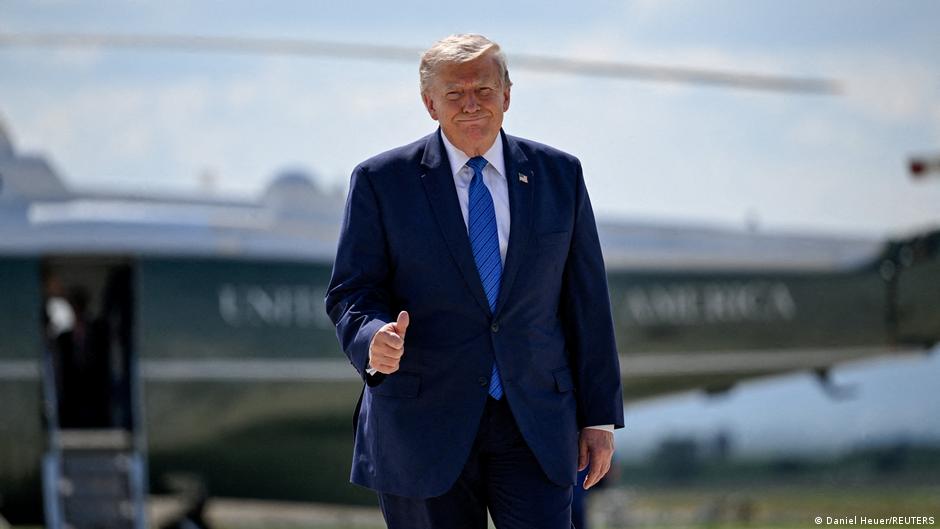
President Donald Trump announced that a new phase of negotiations between Washington and Tehran will commence on Monday, August 3. This development follows a recent decision by the White House to postpone further military strikes on Iran, aiming to provide a diplomatic path to resolve ongoing tensions.
Speaking aboard Air Force One, Trump emphasized the choice to delay attacks to prioritize saving lives and explore a potential deal involving critical issues such as the Strait of Hormuz and Iran’s nuclear program. “I would prefer to make a deal. I don’t like killing people,” the president stated, while also warning that the US retains the option to launch strikes if necessary.
Implications for Global Markets and Household Finances
The renewed diplomatic efforts come amid heightened volatility in international markets, where geopolitical risks have direct consequences for household budgets, currency stability, and investment portfolios. The Strait of Hormuz is a vital chokepoint for global oil shipments; any instability here tends to push oil prices higher, which can increase fuel and energy costs for consumers worldwide.
“The decision to pause military actions and pursue diplomacy could stabilize oil prices temporarily, offering some relief to consumer wallets strained by energy costs.”
However, the region’s fragility means that even rumors of conflict escalation can cause sharp fluctuations in currencies and stock markets. For average investors, this environment demands cautious portfolio management and a keen eye on foreign exchange rates, particularly dollar- and oil-linked assets.
The US previously delayed attacks following requests from Middle Eastern countries and Iran itself, highlighting the fragile balance of power. Last month’s US strikes targeted dozens of sites associated with Iran’s Islamic Revolutionary Guard Corps, including missile launch locations and command centers. Reports indicate collateral damage, including civilian casualties on Iran’s Kishm Island, further complicating the humanitarian and political landscape.
For the global consumer, prolonged uncertainty can translate into increased inflationary pressures, as energy prices ripple through transportation, goods, and services. Additionally, emerging market currencies tied to oil exports may suffer, affecting remittances and savings for households dependent on favorable exchange rates.
Financial advisors suggest that consumers and individual investors diversify assets and monitor developments closely. Strategic actions might include adjusting exposure to commodities, currency holdings, and equities sensitive to Middle Eastern geopolitical dynamics. Central banks’ responses to inflationary pressures could also influence interest rates, affecting mortgages, loans, and savings yields.
As diplomatic talks proceed, the pathway towards a stable resolution remains uncertain but crucial for economic stability. The balance between military might and diplomatic negotiation will continue to influence global markets, household budgets, and everyday investment decisions in the coming months.