US Strikes on Iran Enter 11th Night Amid Rising Middle East Tensions Impacting Global Markets
Continuous US-Iran conflict escalates, affecting oil supplies and global trade routes critical to household budgets and investors.
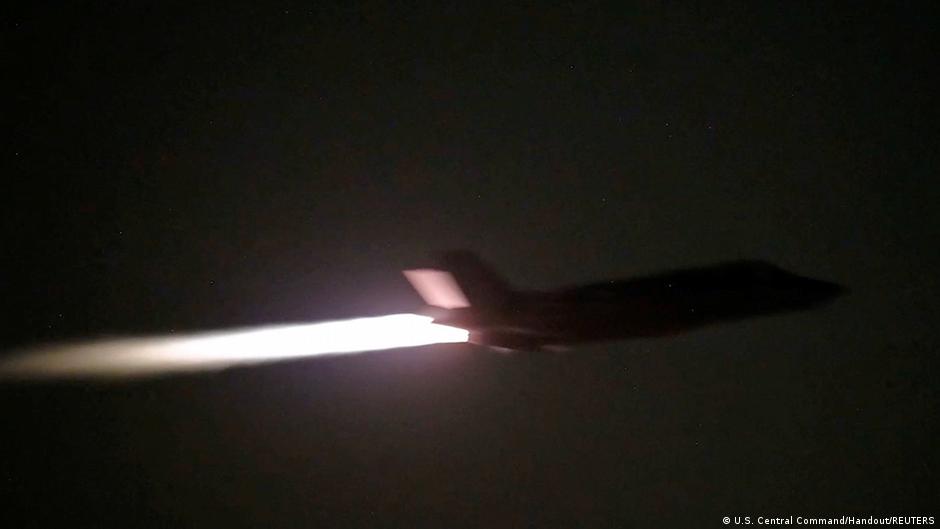
For the eleventh consecutive night, the United States military has launched sustained attacks against targets in Iran, signaling a significant escalation in tensions that reverberate beyond the battlefield into global energy markets and consumer finances worldwide.
Impact on Oil Supply and Global Trade Routes
The Central Command of the US Armed Forces (CENTCOM) announced a 75-minute wave of strikes targeting Iranian military operational centers, naval forces, aviation hangars, drone storage, and logistical infrastructure. The intent is to weaken Iran's ability to threaten commercial shipping in the strategically vital Strait of Hormuz.
“CENTCOM forces have successfully completed the eleventh consecutive nightly round of strikes on Iran, aiming to secure global trade routes and energy supplies,” the military command stated.
Over the past three months, Iran has reportedly attacked over 30 merchant vessels passing through the Strait of Hormuz, a key chokepoint responsible for transporting a significant portion of the world's oil supply. Although CENTCOM claims the strait remains open—facilitating the transit of around 900 commercial ships and nearly 450 million barrels of crude oil since May—recent data from the London Stock Exchange shows a significant slowdown, with only four ships passing on July 19 and eight on July 18.
For households and investors, this disruption threatens to drive oil price volatility higher, increasing energy costs that directly affect grocery bills, heating, transportation expenses, and overall inflation. Rising crude prices can strain household budgets and reduce disposable income, while also impacting stock portfolios tied to global energy markets.
Regional Military Developments and Consumer Implications
On July 21, Iran launched missile and drone attacks on Camp Arifjan in Kuwait, a hub for US forces, while Kuwaiti air defenses reportedly intercepted some of the strikes. Simultaneously, Iran's Islamic Revolutionary Guard Corps declared a "sixth wave" of its Operation Nasr 2, targeting US military facilities in Kuwait and Bahrain. Independent verification of these claims is pending.
These ongoing military confrontations threaten to destabilize the Middle East further, a region critical for global oil and gas exports. Any escalation risks supply chain disruptions, which could exacerbate inflationary pressures worldwide.
Wider Financial and Currency Market Effects
In response to the attacks, US President Donald Trump warned of "multiple retaliations" for any American casualties, underscoring the potential for prolonged conflict. Since the current escalation began, CENTCOM has reported 17 US military fatalities.
Heightened geopolitical risk tends to trigger volatility in currency and financial markets. Investors often seek safe-haven assets, which can cause fluctuations in exchange rates and impact emerging market currencies. For everyday investors, this translates into uncertain returns and the need for cautious portfolio management.
Moreover, elevated oil prices contribute to higher inflation globally, eroding savings and increasing borrowing costs for consumers. Households may face tighter budgets as a greater share of income is directed toward energy and fuel expenses.
What Consumers and Investors Should Watch
Given the protracted military actions and their ripple effects on oil prices and trade, consumers should anticipate potential spikes in fuel costs and energy bills. Budget adjustments and energy-saving measures may become necessary to manage these pressures.
Investors should monitor geopolitical developments closely, considering diversification strategies to mitigate risks from Middle East instability. Awareness of how these tensions influence commodity prices, currency valuations, and stock market volatility remains critical.
Ultimately, the ongoing US-Iran conflict serves as a reminder of how international events can swiftly shape personal finances and investment landscapes worldwide.