EU Considers Entry Ban on Russian Combatants Amid Concerns Over Broader Impact on Travelers
Italy and France express reservations about entry bans on Russian war participants, fearing unintended restrictions on general travelers and economic repercussions.
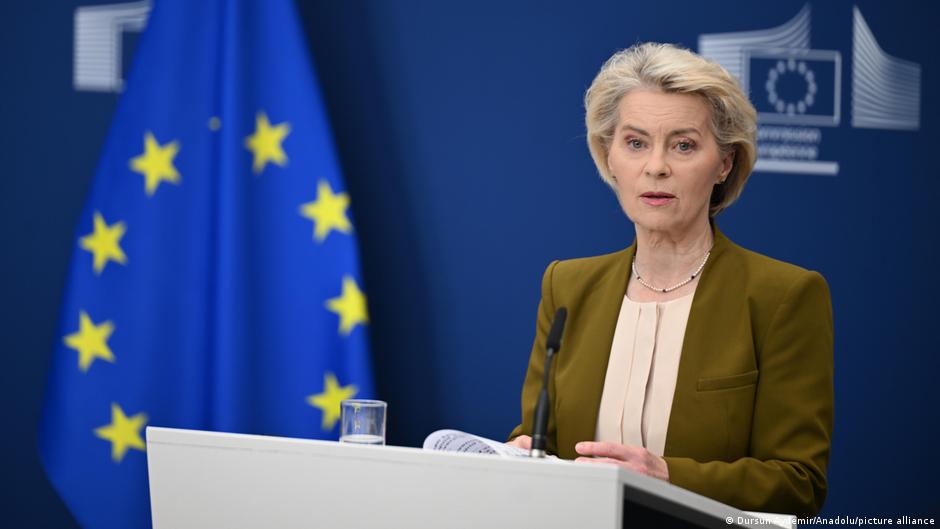
The European Union is poised to adopt a new set of sanctions targeting Russia, including a proposed ban on entry for Russian individuals who have participated in the ongoing conflict against Ukraine. However, key member states such as Italy and France have voiced concerns about the potential unintended consequences of this measure, particularly how it may affect ordinary Russian travelers and the broader European economy.
Entry Ban Proposal and Member State Reservations
The proposed entry ban is a component of the EU's 21st sanctions package aimed at intensifying pressure on Russia amid the evolving war in Ukraine. The European Commission suggests prohibiting entry to all Russian military personnel who have served since the full-scale invasion began.
While Italy and France support restricting access for combatants, they are apprehensive that the current wording could lead to blanket restrictions affecting all Russian citizens. This ambiguity raises practical challenges, as determining who has actively participated in hostilities would require individual EU countries to make complex assessments on a case-by-case basis.
"Europe remains closed to all who have participated in the invasion of Ukraine," declared European Commission President Ursula von der Leyen, reflecting the EU’s firm stance against Russia’s military aggression.
Despite this firm stance, the concerns from Rome and Paris highlight the difficulty of enforcing such targeted sanctions without disrupting travel, trade, and personal finances for the broader population.
Implications for Households and Investors
For households and everyday consumers in Europe, the implications of these sanctions are multifaceted. Restrictions on Russian travelers could affect expatriates, international students, and business professionals, complicating personal finances and travel plans. Additionally, increased geopolitical tensions often lead to currency volatility that affects savings and investments.
With Italy and France cautious about extending the ban too broadly, the potential for economic spillover effects remains a key factor. For example, disruptions in financial transactions or trade relationships with Russian entities could influence energy prices and market stability, directly impacting household budgets and inflationary pressures.
Moreover, the inclusion of new sanctions targeting Russia’s energy sector and trade, including the landmark introduction of a price cap on Russian oil, could result in fluctuating fuel costs. These fluctuations would have a tangible effect on consumer prices and transportation expenses across the EU, thereby influencing everyday spending and saving decisions.
Investors, especially those holding assets exposed to energy markets or European equities, will need to monitor how these sanctions evolve. The EU aims to close loopholes and tighten restrictions to reduce Russia’s revenue, which may increase market uncertainty in the short term but could also signal stronger long-term geopolitical stability if the conflict de-escalates.
Balancing Sanctions with Economic Stability
The EU’s unified adoption of the 21st sanctions package requires consensus among all member states, making the reservations of influential nations like Italy and France particularly significant. Their stance underscores the delicate balance between imposing meaningful penalties on Russia and mitigating potential adverse effects on European citizens and economies.
As the EU prepares for discussions on June 26, the outcome will be closely watched by consumers, businesses, and investors alike. The evolving sanctions landscape is a reminder of how geopolitical decisions can ripple through currency markets, household budgets, and investment portfolios.