Bolivia and US Resume Anti-Drug Cooperation After 18 Years, Impacting Local Economies
Bolivia and the United States sign first joint drug enforcement agreement since 2008, with $20 million in US funding to combat narcotics trafficking.
In a significant development affecting household economies and consumer markets, Bolivia and the United States have signed their first anti-drug trafficking agreement in 18 years. This renewed cooperation marks a breakthrough despite the absence of formal diplomatic relations between the two countries.
Economic Impact on Households and Currency Stability
The agreement, officially titled the Agreement on Strengthening Bilateral Cooperation to Combat Illicit Drug Trafficking and Transnational Organized Crime, was finalized on June 16. Under the terms, the US will provide up to $20 million to train Bolivian law enforcement and supply necessary equipment to strengthen anti-narcotics efforts.
For Bolivian households, which often grapple with the local currency's fluctuations and inflation risks, the deal could have a stabilizing effect. Cocaine production and trafficking have long distorted the informal economy, fueling corruption and eroding trust in financial institutions. By curbing illicit drug trade, the government aims to foster a more stable economic environment, potentially benefiting everyday consumers and investors.
"Curbing the narcotics trade is crucial for economic stability and protecting household savings from volatility," said a local economic analyst.
Since 2008, Bolivia has maintained a strained relationship with the US, with diplomatic ties severed following former President Evo Morales' expulsion of the US Drug Enforcement Administration (DEA). This agreement represents the first official joint effort to combat drug cartels since then, signaling a pragmatic shift in policy to address the drug economy's pervasive influence.
Implications for Everyday Investors and Currency Markets
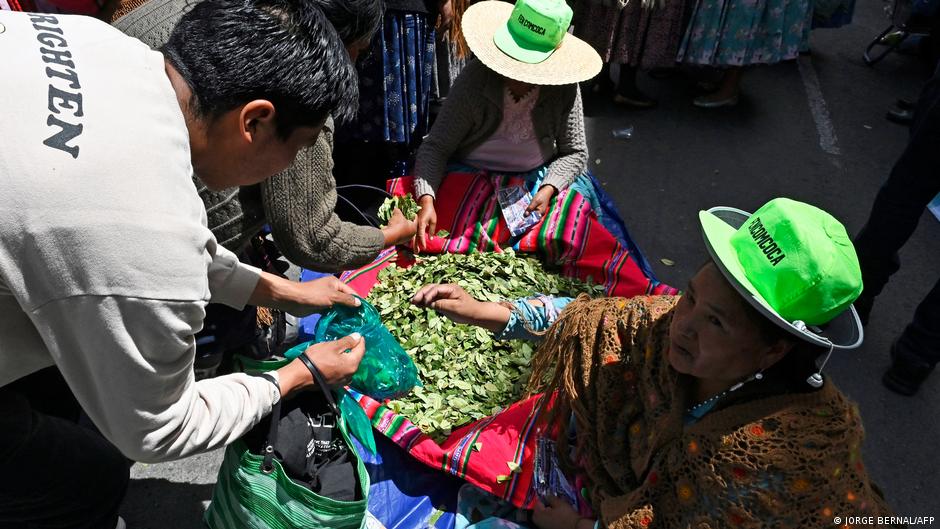
Bolivia ranks as the world's third-largest cocaine producer, a factor that has significant implications for currency traders and domestic investors. The illicit drug economy often injects large amounts of unregulated cash into local markets, complicating monetary policy and contributing to informal lending practices that bypass formal financial systems.
By strengthening law enforcement and reducing the drug trade’s footprint, the government hopes to increase transparency and attract legitimate investment. This could encourage Bolivians to save and invest within regulated institutions, potentially boosting the local currency's stability and reducing reliance on more volatile foreign currencies.
For US consumers and investors, the agreement could help reduce the flow of narcotics into North America, which indirectly impacts public health costs and law enforcement budgets. The $20 million commitment underscores a targeted investment in long-term economic and social stability on both sides.
While diplomatic relations remain formally suspended, and embassies have not been re-established, this agreement signals a willingness to prioritize economic and public health interests through collaboration.
As Bolivia pursues this renewed partnership, households, small businesses, and individual investors will be watching closely to see how these changes translate into improved economic conditions and currency resilience in the coming months and years.